Best Tripod Gimbal Heads for Smooth Motion and Precise Framing
When selecting a tripod gimbal head, the key factors are stability, load capacity, and smooth, precise pan/tilt movement. This guide highlights five top options that suit different shooting styles, from wildlife to sports and landscape photography. The best choice depends on your gear and how you work—whether you need heavy-lens support, fast tracking, or lightweight travel-friendly options.
| Product | Best For | Key Benefit |
|---|---|---|
| K&F CONCEPT Aluminum Gimbal Head | Heavy telephoto rigs | High load capacity, robust aluminum body |
| NEEWER GM101 Gimbal Head | Wildlife and sports | 360° panning with smooth bearing structure |
| NEEWER GM102 Gimbal Head | Bird watchers | Three-axis adjustment and built-in level |
| EVUMO P9 Carbon Gimbal Head | Lightweight setups | Carbon fiber + aluminum, excellent balance |
| Aluminum Alloy Gimbal Head with 1/4″ Plate | Versatile daily use | 360° rotation and quick release |
K&F CONCEPT Aluminum Gimbal Head 360° Panoramic
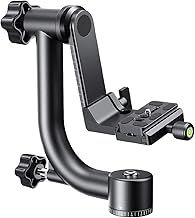
This gimbal head is designed for photographers who need strong support for heavier lenses. It uses 6061 aluminum alloy and features a 20 kg (44 lb) load capacity, enabling stable tracking with professional DSLRs and telephoto lenses. The design emphasizes smooth horizontal and vertical movement, making it suitable for wildlife and long-lens work. A reliable sealing approach reduces grease leakage, supporting consistent performance in challenging field conditions.
Best for: Photographers with heavy telephoto setups who want dependable stability and precise control. Why selected: It combines high load capacity, sturdy construction, and smooth motion. Caution: Properly tighten knobs during movement to prevent drift or unwanted shifts in position.
NEEWER GM101 Gimbal Tripod Head

NEEWER GM101 is built for professionals seeking smooth, accurate motion with a heavy-duty build. Its integrated load-bearing structure supports DSLR bodies and telephotos with notable stability. The 360° pan base and bearing-driven motion offer precise tracking, making it ideal for wildlife and action photography where rapid subject movement matters. It also includes a 1/4″ and 3/8″ mounting option for compatibility with most tripods.
Best for: Wildlife and sports shooters who require responsive, smooth panning. Why selected: Bearing-based movement improves fluidity, with clear pan locks for repeatable framing. Caution: Loosen knobs with the camera supported to avoid accidental drops during adjustments.
NEEWER GM102 Gimbal Head for Telephoto Lenses

NEEWER GM102 focuses on versatile three-axis adjustment and robust construction. Its CNC aluminum alloy build offers a solid platform for birds and wildlife photography, supporting up to 15 kg (33 lb). The base rotates 360° and includes a built-in spirit level for quick leveling on uneven terrain. A 3/8″ threaded hole allows mounting on tripods, monopods, or sliders.
Best for: Photographers who need precise multi-axis control and reliable level checks. Why selected: The three-axis arrangement allows fine framing in dynamic scenes. Caution: Support the device with one hand when adjusting to prevent drops.
EVUMO P9 Carbon Gimbal Head

EVUMO P9 combines carbon fiber and aluminum for a lightweight yet strong profile. With a maximum load capacity of 20 kg (44 lb), it supports a wide range of cameras and telephoto lenses. Its full-bearing design minimizes friction, delivering smooth rotation in both horizontal and vertical axes. The base rotates 360° for seamless panorama shots, while the mounting platform offers a wide vertical range, expanding shooting options.
Best for: Photographers seeking a lightweight, high-strength gimbal head for travel or field work. Why selected: The carbon/aluminum mix delivers strength without excessive weight. Caution: For larger lenses, ensure proper balance before tightening locks.
Aluminum Alloy Gimbal Head With 1/4″ Plate

This gimbal head uses heavy-duty aluminum alloy to deliver a robust, rugged structure. It supports up to 20 kg (44 lb), with a 360° rotating base and vertical arm for full-range maneuverability. The standard 1/4″ quick-release plate and bubble level add practical utility for daily use, including bird watching and live streaming setups. Anti-slip features on the quick-release plate improve handling in uneven conditions.
Best for: Everyday photographers needing a reliable, versatile gimbal head. Why selected: Balanced design with 360° rotation and quick-release plate simplifies fast framing. Caution: Verify the quick-release plate compatibility with your camera rig before purchase.
Buying Guide: What To Consider When Choosing A Tripod Gimbal Head
- Load capacity: Match the maximum weight of your camera body, telephoto lens, and any accessories. Higher capacities support future upgrades but add weight.
- Rotation and axes: Look for 360° pan with vertical adjustment. Three-axis heads offer more precise framing for dynamic subjects.
- Materials: Aluminum provides strength and affordability; carbon fiber offers weight savings for field work but may come at a higher price.
- Quick release compatibility: Ensure the quick-release plate is the standard size you use and that it offers anti-slip features for safety in rugged conditions.
- Mounting flexibility: Check for 1/4″ and 3/8″ socket availability to fit various tripods, monopods, or sliders.
- Bearings and smoothness: Bearing-based or full-bearing designs reduce resistance and help maintain smooth tracking during panning and tilting.
- Leveling aids: Built-in spirit or bubble levels simplify setup on uneven terrain and ensure accurate horizons in panoramas.
- Portability: Weighing your total rig helps decide if a lighter carbon fiber option is worth the cost for travel shoots.
FAQ
- What is a gimbal head best used for?
Gimbal heads are ideal for wildlife, birdwatching, and sports photography where long telephoto lenses require smooth tracking and stable balance.
- How do I choose between aluminum and carbon fiber gimbal heads?
Aluminum is sturdy and affordable, good for studio or field setups with less emphasis on weight. Carbon fiber is lighter, useful for travel and handheld stability with similar strength.
- Why is load capacity important?
Higher load capacity accommodates heavier camera bodies and lenses, reducing the risk of tipping or unstable framing.
- What does a three-axis adjustment offer?
Three-axis adjustment enables smooth control over pan, tilt, and swing, allowing precise framing of moving subjects and complex angles.
- Is a built-in level essential?
While not strictly essential, a built-in level helps ensure level framing for panoramas and landscapes, saving time during setup.
- Should I worry about compatibility with my tripod?
Yes. Check the bottom mounting socket options (1/4″ or 3/8″) and ensure your tripod supports the head’s load and balance needs.