Color accuracy is essential for professional and hobbyist photographers alike. A reliable white balance card provides a quick and repeatable way to calibrate your camera’s exposure and color in any lighting. This guide highlights five top white balance cards, comparing size, finish, and ease of use to help you choose the right tool for studio, travel, or on-location shoots. Each option is designed to deliver consistent neutral gray or calibrated color references so you can achieve natural-looking skin tones and correct color in post-production.
| Product | Brand | Card Type / Size | Key Benefit |
|---|---|---|---|
| Lightdow 12 x 12 Inch White Balance Reflector | Lightdow | 12″ x 12″ (30 x 30 cm) Gray Card | Large, foldable grey card with 18% reference for quick on-set calibration |
| Anwenk Grey Card 18% Large | Anwenk | 5.3″ x 7.28″ (Large) | High-contrast matte finish; scratch-resistant and waterproof |
| Pixiss 4-in-1 Color Correction Card Set | Pixiss | Compact set with 18% gray, white, black, and color gradient | Versatile kit for precise exposure and color across setups |
| Genuine Whibal G7 Neutral White Balance Card | Michael Tapes Design | 2.1″ x 3.35″ pocket card | Premium, field-tested neutrality for quick in-field calibration |
| Reflex Camera 24×24 Foldable Grey Card | Reflex Camera | 60×60 cm foldable gray card | Ultra-portable, large surface for studio and outdoor shoots |
Lightdow 12 x 12 Inch White Balance Reflector

The Lightdow option provides a practical, foldable gray reference suitable for field use. Its 18% gray balance aligns with common exposure workflows, making it easy to achieve repeatable results across lighting conditions. The folded design protects the surface during transport, while the reflective surface minimizes glare in bright environments. This card supports quick on-set calibration and helps ensure skin tones read correctly when paired with automatic white balance or manual settings. The gray side offers a predictable exposure reference with modest deviation margins for reliable shooting in dynamic scenes.
Anwenk Grey Card 18% Large
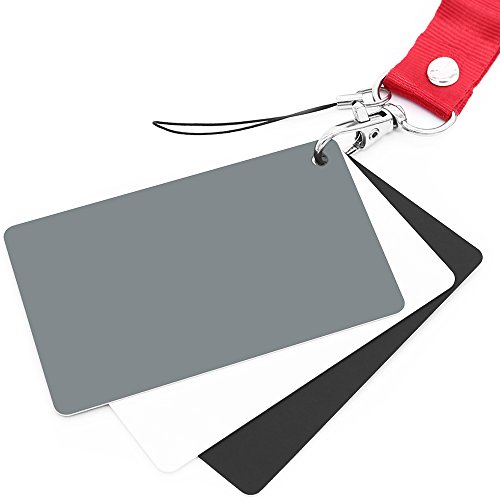
The Anwenk large grey card combines a matte finish with a robust, scratch-resistant surface to reduce reflections. Its non-reflective, waterproof build makes it well-suited for a range of environments, from studio to outdoor shoots. The 18% gray reference is compatible with most digital cameras and color profiles, facilitating precise white balance calibration and consistent exposure across frames. Its pocket-friendly size allows convenient transport for on-location work, while still offering ample surface area for reliable color sampling in varied lighting.
Macolink Grey Card 18% Gray Card

The Macolink gray card emphasizes durability with a matte, non-gloss surface designed to minimize reflections. The 18% gray reference supports straightforward white balance and exposure calibration in both photography and videography. Its rugged construction makes it suitable for travel and location work, ensuring consistent color samples even after rough handling. This card is particularly useful when you need dependable neutrality across different cameras and lighting setups.
Genuine Whibal G7 Neutral White Balance Card

The Whibal G7 is a compact, professional-grade neutral card designed for photographers who need fast, reliable white balance in varying environments. It emphasizes precision, aiming for minimal deviation from perfect neutrality and compatibility with common post-processing workflows in Photoshop and Lightroom. The pocket size makes it ideal for travel or on-set calibration between lighting changes. It offers a consistent reference point for color grading and exposure control, reducing guesswork during shoots that demand accurate skin tones and true color.
Pixiss 4-In-1 Color Correction Card Set

The Pixiss set offers an all-in-one solution for color and exposure calibration. It includes 18% gray, plus white and black cards, alongside a 24-step gradient. This combination supports comprehensive color checks and exposure calibration for video, DSLR, and film work. The kit is designed to be compact and lightweight, making it suitable for on-location shoots. Its color reference tiles and matte finish help minimize reflections, delivering reliable results across different lighting scenarios and cameras.
Reflex Camera 24×24 Foldable Grey Card

The Reflex Camera 24×24 grey card offers a foldable, portable solution ideal for travel and field work. Its large 60×60 cm surface, when unfolded, provides ample area for reflecting consistent light samples and capturing accurate gray references under a broad range of conditions. The foldable design helps protect the surface in transit, while the neutral gray balance supports precise exposure and color calibration for both stills and video. This option is well-suited for photographers who want a dependable reference in diverse shooting environments.
Buying Guide: Key Considerations for Choosing a White Balance Card
Choosing the right white balance card involves weighing size, material, and practicality against your typical shooting environment. Consider these factors to identify the best fit for your workflow:
- Size and portability: Smaller cards fit pockets or camera bags, while larger cards provide more surface area for rapid sampling in studio settings.
- Finish and reflections: Matte, non-reflective finishes reduce glare in bright setups and outdoor lighting, improving sampling accuracy.
- Durability: Waterproof or rugged materials are valuable for travel or field shoots where cards may encounter moisture or rough handling.
- Color range: Some kits include multiple references (gray, white, black, or gradient) to support diverse calibration tasks beyond simple white balance.
- Compatibility with post-processing: Cards designed with standardized gray values often align with common workflows in Photoshop, Lightroom, and video pipelines.
- Portability vs. precision: Larger reference surfaces offer more precise readings in complex lighting but can be less convenient on the go.
- Cost vs. value: A more comprehensive kit may save time in post-production, but simpler gray cards can be sufficient for basic calibration.
Practical use tips:白 Balance cards should be photographed under the lighting conditions you will shoot in, then used to set white balance in-camera or in post. Calibrate at the start of a session and re-check after changing lights to maintain color consistency across your sequence.