Best Camera Lens Cloths for Clean, Scratch-Free Optics in 2026
When choosing a camera lens cloth, prioritize softness, lint-free performance, and compatibility with coated and glassy surfaces. This guide highlights five top options that balance cleaning power with lens protection, helping photographers, videographers, and hobbyists keep optics clear and scratch-free. Each product is suited for specific buyers—from casual shooters to professionals needing reliable, repeatable results.
Overview table of selected products:
| Product | Best For | Why It Stands Out |
|---|---|---|
| MagicFiber Microfiber Cleaning Cloth (6-pack) | Everyday cleaning, general use | Lint-free, multi-surface, individually bagged for freshness |
| Koala Lens Cleaning Cloth (6-pack) | Precision optics, frequent wipe-downs | Japanese microfiber, dense weave for deep cleaning |
| 12 Pack Microfiber Lens Cleaning Cloths | Travelers and setups with multiple lenses | Assorted colors, individually wrapped |
| K&F CONCEPT Microfiber Cloth X6 | High-density cleaning, durability | 200g fabric, precision edge, reusable |
| 30 Pack Microfiber Cleaning Cloths | Large kits, studios, schools | Generous pack, no chemicals |
MagicFiber Microfiber Cleaning Cloth Set
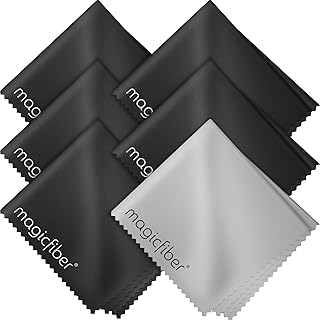
Best for: readers of eyeglasses, screens, and camera lenses who want a versatile, ready-to-go cloth. This six-pack includes five black cloths and one gray—each individually wrapped for cleanliness. The fabric is designed to absorb oil and dust without scratching surfaces, leaving minimal lint behind. It’s suitable for eyeglasses, cameras, screens, and small electronics.
Why selected: The set emphasizes lint-free performance and broad surface compatibility. The polybag packaging helps ensure the cloths stay clean before use, which is important for precious optics.
Limitations: The kit uses standard microfiber; performance can vary slightly with very greasy residues or delicate coatings. Always test on an inconspicuous area first if you’re cleaning high-value optics.
Koala Lens Cleaning Cloth (6-Pack)

Best for: professionals and enthusiasts who demand precision on AR/VR headsets, camera lenses, and polarized optics. This set leverages Japanese microfibers to achieve clean, lint-free results with minimal smearing.
Why selected: The cloths use a dense, ultra-absorbent weave designed for tough oils and smudges while protecting delicate AR coatings and lenses. The pack emphasizes high-quality materials for repeated use.
Limitations: Like many premium microfiber cloths, performance depends on cleaning technique. Excessively oily residues may require a light dry wipe before use with liquid cleaners.
12 Pack Microfiber Lens Cleaning Cloths

Best for: travelers and photographers who need a reliable supply for multiple lenses and devices. The 12-pack provides 7-by-6 inch cloths suitable for glasses, screens, and camera optics.
Why selected: The cloths are described as ultra-soft and scratch-free, with safe use on coated and polarized lenses. Individually wrapped packaging helps maintain cleanliness in storage or travel kits.
Limitations: Color variety may not suit every brand aesthetic; some users prefer single-color sets to reduce color transfer concerns on sensitive coatings.
K&F CONCEPT Microfiber Cloth X6

Best for: users needing high-density cleaning with durability for repeated use, including camera lenses, glasses, and screens.
Why selected: The 200g high-density material and straight-edge design provide consistent cleaning pressure and edge durability. The cloths are described as great for AR/VR devices, telescopes, and precision optics.
Limitations: Higher-density cloths can feel stiffer initially; wash before first use to maximize softness and lint-free performance.
30 Pack Microfiber Cleaning Cloths

Best for: studios, classrooms, or households needing a large supply for multiple devices, including cameras, phones, and monitors.
Why selected: The kit provides 30 cloths with a balance of sizes and colors. They are described as ultra-soft and free of harsh chemicals, making them suitable for sensitive coatings.
Limitations: The assortment may include colors that transfer under heavy use; consider separating for light-sensitive coatings and avoid mixing with fabrics that shed lint onto optics.
Buying Guide: What to Look For When Choosing a Lens Cleaning Cloth
- Material quality: Look for tightly woven, dense microfiber that is lint-free and gentle on coated optics.
- Scratch risk: Avoid overly abrasive edges or rough fibers; high-density fabrics typically perform better on delicate lenses.
- Coatings compatibility: If you use anti-reflective or polarized coatings, choose cloths explicitly described as safe for coated surfaces.
- Size and packaging: Larger cloths can clean more surface per wipe; individually wrapped cloths stay clean for travel or on-set use.
- Durability and reuse: Reusable cloths reduce waste; consider how easy they are to wash and how long they last with repeated use.
- Storage and cleanliness: Cloths stored in sealed packaging or polybags stay cleaner until first use.
How to Clean and Care for Lens Cloths
- Wash microfiber cloths separately from other fabrics to avoid lint transfer.
- Use mild detergent; avoid fabric softeners or bleach, which can reduce performance.
- Air-dry or tumble dry on low; ensure cloths are fully dry before reusing.
- Inspect for pilling or shedding; replace cloths showing wear that might scratch lenses.
Usage Tips for Optimal Results
- Dry wipe first to remove loose dust; then lightly dampen with a dedicated lens cleaner if needed.
- Avoid using harsh chemicals directly on coatings; microfiber works best with water or a lens-safe cleaner.
- Keep a few cloths in your camera bag, case, or studio to ensure you always have a clean option ready.
FAQ
- Q: Are microfiber cloths safe for all camera lenses? A: Yes, when used gently and on coated surfaces, microfiber cloths are widely considered safe for most camera lenses. Always test on a small area first if unsure.
- Q: How many times can I reuse a microfiber cloth? A: With proper washing and care, microfiber cloths can be reused many times before retirement. Replace if fibers shed or lint appears.
- Q: Should I use liquids with microfiber on lenses? A: It’s often best to use a dedicated lens cleaner or just a dry wipe for most dust. If using liquid, apply to the cloth, not directly to the lens.
- Q: What size cloth is best for travel? A: Cloths around 6 by 7 inches are common and convenient for fitting into pockets or cases while still covering a lens face.
- Q: Do premium cloths outperform budget options? A: Higher-density fabrics and quality weaves typically offer better lint-free performance and durability, especially for sensitive coatings.
- Q: Can I wash microfiber with regular detergent? A: Yes, but avoid fabrics with softeners; line-dry or low-heat tumble dry to preserve softness over time.