Best Digital Cameras for Birding: Top Zoom Models for Every Field Hunter
If you’re serious about birding, you need a camera with long reach, fast autofocus, and solid image stabilization. The top five options below are selected for wildlife observers who want reliable telephoto performance, easy handling in the field, and good image quality across varied lighting. The buyers most likely to benefit are nature enthusiasts who photograph birds at different distances, from backyard feeders to distant hawks in flight, as well as travelers seeking versatile all-around zoom performance.
| Product | Zoom Range | Best For | Why It Stands Out |
|---|---|---|---|
| Kodak PIXPRO Astro Zoom AZ528-BK | 52x | Birders who want reach without a heavy setup | Very long optical zoom with 24mm wide angle; solid stabilization and high burst rate |
| Nikon COOLPIX P950 | 83x | Birders needing extreme reach | Longest optical zoom in this list with built-in bird/moon modes |
| MINOLTA MN53Z | 53x | Travelers and field observers | Versatile shooting with high-zoom capability and Wi‑Fi |
| Minolta MN40Z | 40x | Budget-friendly versatile shooter | 20MP sensor, solid OIS, 1080p video |
| KODAK PIXPRO AZ405 | 40x | Lightweight zoom for casual birding | 40x optical zoom, 20MP sensor, good for travel |
Kodak PIXPRO Astro Zoom AZ528-BK 52x Zoom

The Kodak PIXPRO AZ528 combines a remarkable 52x optical zoom with a 24mm wide-angle lens, enabling both sweeping landscapes and intimate bird portraits without moving. The 6 fps burst mode helps capture fast wingbeats or sudden perch changes, and the 16 MP BSI CMOS sensor with Optical Image Stabilization improves sharpness at longer reach. This model is best for birders who want maximum reach with reliable handheld performance, especially in bright to mid-light conditions where a tripod isn’t practical.
Best for: Field observers who value extreme reach and quick-action bursts more than ultra-high resolution. Better for: backyard feeders and distant wood-warblers where proximity isn’t possible. Choose this if: you need substantial zoom without extra luggage. Caution: Handholding at 52x can still introduce shake in windy conditions; use stabilization and a steady stance.
Nikon COOLPIX P950 83x Zoom

Nikon’s COOLPIX P950 delivers an extraordinary 83x optical zoom with built-in stabilization and a rotating LCD, making it straightforward to frame birds at various heights and angles. The camera includes Bird and Moon scene modes to help optimize settings on the fly, plus RAW capability for flexible post-processing. This is a strong pick for field observers who want long reach, reliable stabilization, and the option to work with RAW files for more latitude in editing.
Best for: Birders who need maximum reach with flexible framing options. Better for: strategic field observation where you might shoot from a fixed location or tripod. Choose this if: you want RAW capture and extensive reach in a single body. Caution: The camera’s bulk may be less ideal for pocketable portability on very long hiking days.
MINOLTA MN53Z 16 MP 53x Zoom Bridge
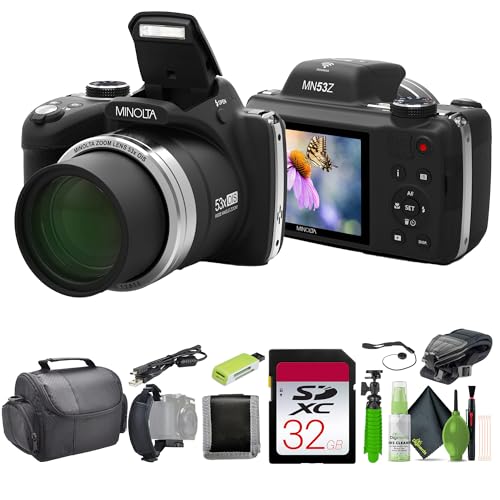
The MINOLTA MN53Z offers a 53x optical zoom with a 16 MP BSI CMOS sensor, delivering crisp stills and Full HD 1080p video. It includes a mix of shooting modes, such as panoramic and HDR, plus Wi‑Fi connectivity for quick sharing. This model is well-suited for travelers who want a capable, versatile zoom camera without adding excessive weight to the pack.
Best for: Birders who travel and want flexible shooting modes plus easy sharing. Better for: mixed-use trips where video and photos both matter. Choose this if: you want broad zoom and smart scene modes in one device. Caution: The 16 MP sensor is adequate but not the highest-res option on the list—blowups may show more noise in low light.
MINOLTA MN40Z 20MP 40x Zoom

The MINOLTA MN40Z packs a 20 MP sensor with a 40x optical zoom, offering crisp photos and strong framing flexibility for distant birds. The 1080p video adds a useful option for field records, and built-in optical image stabilization helps maintain sharpness when hands shake at long focal lengths. This camera is ideal for birders who want a balanced mix of resolution, reach, and stabilization in a compact package.
Best for: Birders who want solid image quality with substantial zoom without excessive weight. Better for: travelers and hikers who need a reliable all-around zoom camera. Choose this if: you want a strong all-purpose zoom with good stabilization. Caution: At full reach, even with OIS, you may prefer a tripod for the sharpest frame in very distant scenes.
KODAK PIXPRO FZ45 16MP, 4x Optical Zoom
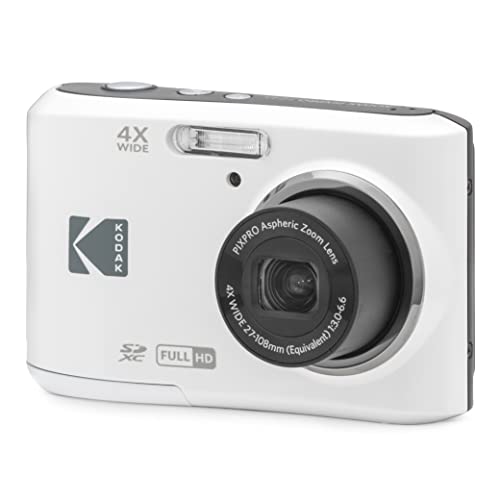
The KODAK PIXPRO FZ45 offers a 16 MP sensor with 4x optical zoom and 27mm wide angle, making it a compact option for leisurely birding trips or as a backup camera. Full HD video adds versatility for quick field clips, and the lighter build supports easy carry. This model is best for casual birders who want a small, simple camera with decent reach for ordinary sightings.
Best for: Casual birders and travelers who prioritize portability. Better for: short-range bird activity and everyday photography. Choose this if: you need a light, affordable option and don’t require extreme zoom. Caution: The 4x zoom will be limiting for distant birds; plan to move closer if possible.
Buying Guide: Key Purchase Considerations
How far do you typically shoot birds from? If your subjects are often distant, prioritize cameras with long optical zoom (60x or greater) and robust image stabilization. If you shoot closer birds, a more moderate zoom with higher resolution may be preferable for larger prints.
What light conditions do you encounter? Look for cameras with good low-light performance or high-ISO capability and a sensor size that minimizes noise. A brighter lens and faster AF also help in dim environments like dawn or dusk.
How important is portability? If you hike long distances, lighter bodies with solid stabilization reward portability. For fixed blind setups, you can choose heavier rigs with more features.
Video vs. stills mix: Do you want RAW capture or the flexibility of editing later? If yes, prefer cameras with RAW support and a capable processor. If you mainly share quick clips, HD/Full HD video options may suffice.
Connectivity: Wi‑Fi or app integration helps in quick sharing and remote control. Consider cameras with built-in Wi‑Fi if you regularly transfer clips to a phone or tablet in the field.
Frequently Asked Questions
- Do I need a DSLR or mirrorless for birding? A compact superzoom bridge camera can cover most birding needs with long reach and good stabilization, without the bulk of a DSLR or mirrorless setup.
- Is 60x zoom necessary for birding? Not always, but it helps for distant birds. A higher optical zoom is beneficial when you cannot approach closely.
- What’s more important: resolution or zoom? For large prints and cropping, higher resolution helps; for reach and detail on distant subjects, optical zoom is crucial.
- Should I prioritize stabilization at long focal lengths? Yes. Optical Image Stabilization (OIS) reduces camera shake when using long zooms, improving keeper rates in natural light.
- Is image quality affected by weather? Yes. Conditions like wind, rain, or dust can impact performance; consider weather-sealed bodies if you bird in harsh environments.
- Can I shoot RAW with these cameras? Some models offer RAW capture; check each model’s specifications if you plan heavy post-processing.