Wide-angle film cameras let you capture expansive landscapes, cityscapes, and dynamic street scenes with dramatic perspective. For analog enthusiasts, models with ultra-wide lenses and panoramic options offer tangible control, immediate feedback, and the charm of film texture. The following selections emphasize wide views, ease of use for beginners, and versatile features that enhance creativity without complicating operation. Each entry includes a direct Amazon link for more details.
| Product | Wide/Lens | Format | Key Benefit |
|---|---|---|---|
| RETO Ultra Wide 35mm Film Camera | 22mm Ultra Wide | 35mm | Ultra-wide scenes; lightweight and reusable |
| RETO Pano 35mm Film Camera | 22mm Wide (Panorama) | 35mm | Panorama mode with standard option; built-in flash |
| IUTD Studios TBC 35mm Film Camera | 28mm Wide | 35mm | Transparent design; fast 1/120s shutter |
| KODAK EKTAR H35 Half-Frame | 35mm Half-Frame | Half-Frame | Film-saving, lightweight, built-in flash |
| KODAK EKTAR H35N Half-Frame | 35mm Half-Frame | Half-Frame | Bulb exposure, star filter, reusable |
Reto Ultra Wide 35mm Film Camera

RETO Ultra Wide and Slim is designed for straightforward, everyday wide-angle photography with 35mm film. It supports both color and black-and-white negatives and slides, making it suitable for a variety of film stock. The 22mm ultra-wide lens enables expansive scenes where foreground and background are both in sharp focus, ideal for landscapes, architecture, and crowded street scenes. The camera emphasizes ease of use with focus-free operation and a lightweight body, making it a convenient option for beginners exploring wide-angle composition. Reusability also helps photographers experiment with multiple shots per roll.
- 35mm film compatibility (negatives and slides, color or B&W)
- 22mm ultra-wide lens for broad scenes
- Focus-free, lightweight, and easy to use
Reto Pano 35mm Film Camera

Reto Pano extends wide-format storytelling with a 22mm ultra-wide lens and a dedicated panorama option. It supports 35mm negatives and slides in color or black-and-white, and it makes switching between standard and panoramic ratios seamless. The built-in flash adds versatility for indoor or twilight photography, while the reusable design keeps film usage flexible for experimenting with expansive compositions. This camera is well-suited for travelers, cityscapes, and landscapes where dramatic perspective matters.
- Suitable for 35mm negatives and slides (color or B&W)
- 22mm ultra-wide lens for wide views
- Panorama switch between standard and panoramic ratios
- Built-in flash; reusable design
IUTD Studios Tbc 35mm Film Camera

IUTD Studios’ To Be Continued (TBC) model offers a transparent design with a practical 28mm wide lens, ideal for landscapes, street photography, and everyday scenes. The transparent body provides a unique learning aid, letting shooters observe exposure through the lens area. The 28mm focal length balances wide perspective with scene clarity, and the camera features a fast 1/120s shutter to help achieve sharp results in common daylight conditions. The design emphasizes accessibility and creative experimentation for film enthusiasts.
- UNIQUE transparent design
- WIDE ANGLE SHOTS: 28mm/F8 lens
- FAST SHUTTER SPEED: 1/120s
Kodak Ektar H35 Half-Frame
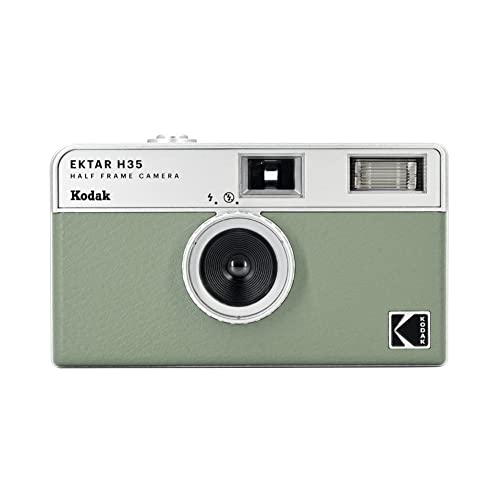
Kodak Ektar H35 Half-Frame maximizes film economy with half-frame shooting, effectively doubling the number of exposures per roll. The camera is lightweight and pocket-sized, making it convenient for daily carry and spontaneous wide-angle shots. It features focus-free operation and a built-in flash whose intensity can be adjusted by turning a silver ring around the lens, supporting both daytime and nighttime use. This model consolidates portability with practical, accessible wide-angle photography on 35mm film.
- Film-saving 35mm half-frame shooting
- Lightweight, pocket-friendly design
- Built-in flash with adjustable exposure
Kodak Ektar H35N Half-Frame

Kodak Ektar H35N Half-Frame adds long-exposure versatility with a built-in bulb function, enabling extended shutter times for night scenes and motion trails. A coated improved lens and a built-in star filter offer enhanced clarity and creative glow for bright points of light. Like other half-frame cameras here, it remains reusable and compact, designed for photographers who want expressive wide-angle results without sacrificing portability or simplicity.
- Bulb function for long exposures
- Coated improved lens; built-in star filter
- 35mm half-frame; reusable
Buying Guide
Choosing a wide-angle film camera depends on how you plan to shoot, your experience level, and the kinds of scenes you want to capture. Here are key considerations to help you decide among ultra-wide, panoramic, and half-frame options, along with practical comparisons across the models listed above.
Lens Width And Field Of View
Wide-angle performance hinges on focal length and sensor/film format. In 35mm film, 22mm and 28mm lenses provide pronounced breadth suitable for landscapes and architecture. Panoramic or panorama-capable cameras let you frame wider scenes in a single exposure, while half-frame formats maximize exposure count per roll at the cost of smaller frame size. Decide whether you prefer extreme breadth, panorama flexibility, or more frames per roll for busy shoots.
Film Format And Reusability
All five options here are reusable 35mm or half-frame cameras, which appeals to filmmakers who want repeatable results and the tactile process of loading film. Half-frame models double your exposures per roll, ideal for travel or experimentation, but they require smaller image area. Reusable bodies support ongoing use with standard film stock, whereas some designs emphasize learning aids such as transparent bodies to understand exposure.
Built-In Features And Creative Options
Consider features like built-in flashes for low-light versatility, bulb exposure for long takes, and star or halo filters for creative light effects. Panoramic switches simplify changing aspect ratios, while transparent designs can aid in understanding exposure behavior. Your choice may hinge on how much you value creative control in-camera versus post-processing options.
Portability, Handling, And Durability
Compact, lightweight bodies are easier to carry on hikes or urban shoots, though some wide designs trade a bit of bulk for durability and steadiness. Look for straightforward controls, clear view/finders, and reliable film transport. Because these cameras rely on analog film, durability and the availability of film stock are practical considerations for long-term use.
Budget, Availability, And Compatibility
Prices vary with features such as panorama capability, bulb exposure, and star filters. Availability may depend on current stock and film compatibility. If you plan frequent wide-angle shoots, also factor in the cost of film and development. The cameras listed here provide accessible entry points into wide-angle film photography without advanced gear requirements.
Quick Comparison
| Model | Format | Lens | Special Features | |
|---|---|---|---|---|
| RETO Ultra Wide | 35mm | 22mm | Focus-free; lightweight; reusable | Landscapes and street scenes |
| RETO Pano | 35mm | 22mm (Panorama) | Panorama switch; built-in flash | Wide cityscapes and scenes needing panoramic view |
| IUTD TBC | 35mm | 28mm | Transparent body; 1/120s | Learning exposure visually; general landscapes |
| Kodak Ektar H35 | Half-Frame | 35mm | Film-saving; built-in flash | Everyday carry; more exposures per roll |
| Kodak Ektar H35N | Half-Frame | 35mm | Bulb exposure; star filter | Creative night and light-art shots |
In short, the best wide-angle camera for you depends on how you balance field of view, film economy, and creative features. If you want the widest possible frames without switching modes, a 22mm or 28mm wide lens with an easy panorama option is ideal. If you value more exposures per roll and compact form, half-frame cameras with built-in features like flash and bulb exposure offer practical versatility. Regardless of choice, these cameras deliver tangible, hands-on opportunities to explore wide-angle composition on film.