Best Tripods for Landscape Photography on Any Terrain
Answering the need for stable, versatile support, this guide highlights five reliable tripods ideal for landscape work. Each option targets a different shooting style—from ultra-light travel setups to rugged studios on location. The top picks are best for travelers seeking portability, professionals requiring heavy payload capacity, and vlog or video shooters needing quick setup. Use the table below to compare core capabilities at a glance.
| Product | Best For | Key Benefit |
|---|---|---|
| Amazon Basics 50-inch Lightweight Tripod | Travelers | Ultra-light, quick setup |
| K&F CONCEPT X-Series 68″ Carbon Fiber Tripod | Outdoor professionals | High payload, strong stability |
| Ulanzi TT43 Light Stand | Studio and location lighting | Heavy-duty lighting support |
| JOILCAN 74″ Tripod | All-around versatility | Tall, stable, adjustable |
| SMALLRIG TRIBEX SE Hydraulic Tripod | Video and landscapes | Hydraulic leg action,Fluid head |
Amazon Basics 50-Inch Lightweight Tripod

Best for travelers and casual landscape shooters who need a compact, easy-to-carry option. This model extends from 16.1 inches to 50 inches with a three-section lever-lock design, making quick height adjustments straightforward in field conditions. It weighs about 1.23 pounds and ships with a zippered storage bag, supporting light cameras and compact kits.
Who it’s for: photographers prioritizing portability and budget-friendly reliability for quick landscapes or cityscapes. Why selected: its aluminum build provides adequate stability at a minimal weight, ideal for hikes or road trips where every ounce matters.
Caution: Payload is typically best suited for lightweight mirrorless bodies or small DSLRs; avoid heavy cameras on rough terrain if extra stability is needed.
K&F CONCEPT X-Series 68″ Carbon Fiber Tripod

Better for outdoor professionals who need strength and lightness. This 68″ carbon fiber tripod weighs about 1.55 kg with a CNC-made 36 mm metal ball head, delivering robust stability and easy handling in breezy conditions. It borrows design cues from high-tier tripods recognized for durability and smooth pan/tilt performance.
Who it’s for: landscape shooters requiring higher payload capacity and reliable weather resistance for longer shoots. Why selected: carbon fiber reduces vibration and weight, helping maintain sharpness in challenging environments.
Caution: Premium materials come at a higher cost; ensure compatible heads and feet are available for your kit.
Ulanzi TT43 Extendable Light Stand

Best for studio-style landscape setups that incorporate lighting or reflectors on location. This 6.23 ft aluminum stand has a maximum load of 6.6 lb (3 kg) and a wide base for stability on uneven ground. It offers a 1/4″ screw mount compatible with most lighting gear, softboxes, and rings.
Who it’s for: photographers who mix landscape composition with lighting to control shadows or highlight textures. Why selected: solid metal construction and versatile mounting options make it a strong companion to tripods in field studios.
Caution: Heavier lighting gear will push the weight limit; use sandbags for balance on windy days.
JOILCAN 74-Inch Tripod
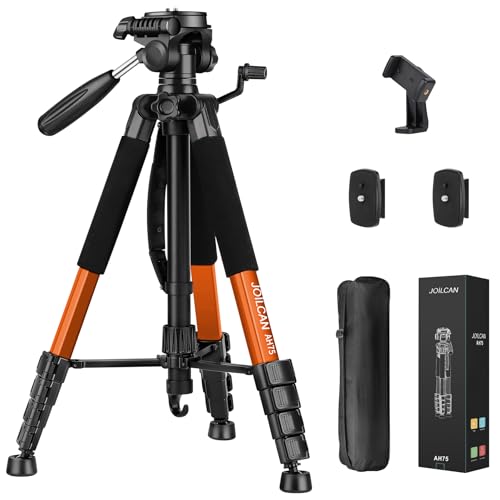
Best for landscapes requiring height versatility and rugged stability. This tripod extends to 74 inches and weighs about 3.15 pounds, with a quick-release plate and a wide base for steadiness on varied terrain. It’s designed to support cameras, DSLRs, or smartphones with a standard 1/4″ screw.
Who it’s for: photographers who shoot on uneven ground or need tall height for elevated landscape compositions. Why selected: a balance of lightness, height, and ease of transport makes it a versatile travel companion.
Caution: The heavier build can be bulkier for ultra-light travel; pack a sturdy bag to protect the legs during transit.
SMALLRIG TRIBEX SE Hydraulic Tripod
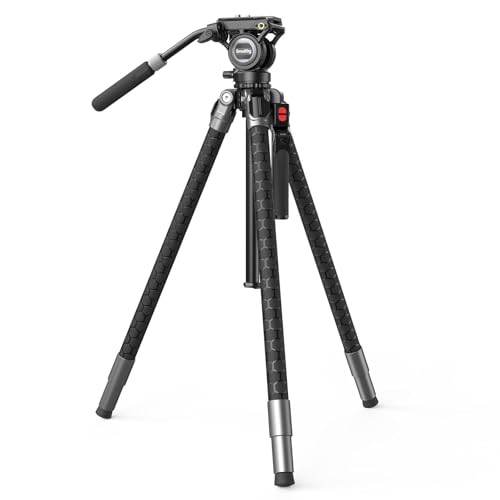
Designed for landscape video and stills, this hydraulic tripod offers fluid head control and a robust 6 kg (13.2 lb) payload. Its maximum height reaches 166 cm, and it includes a lightweight aluminum build with a compact fold. The X-CLUTCH mechanism enables one-touch leg deployment for rapid setup on uneven ground.
Who it’s for: professionals needing precise framing for horizon lines or panoramic shots, plus the ability to work smoothly with video footage. Why selected: hydraulic action and quick-locks deliver consistent motion and stability for dynamic landscapes.
Caution: Heavier to transport than typical travel tripods; best for gigs where a dedicated carry solution is available.
Buying Guide: Key Purchase Considerations
- Weight and portability: If you hike to shoot landscapes, prioritize lighter tripods with compact folding profiles.
- Height range: Choose a model that reaches eye level on tall terrain without extending the center column, which can reduce stability.
- Payload capacity: Match the tripod to your camera body, lenses, and any mounted accessories like a gimbal or long telephoto lens.
- Material and durability: Carbon fiber offers higher strength-to-weight and dampening; aluminum is more budget-friendly.
- Head compatibility: Ensure quick-release plates and heads support your preferred motion (pan/tilt, fluid for video, or static for landscapes).
- Stability on uneven ground: Look for wide feet, adjustable leg angles, and features like spread legs or weight hooks for ballast.
- Weather considerations: For outdoor landscapes, consider corrosion-resistant materials and secure locking mechanisms for moisture and dust.
Frequently Asked Questions
- What is the best tripod height for landscape photography?
Generally, a height that brings your eye level to the horizon or slightly above reduces perspective distortion. Avoid reliance on center-column extensions for sharpness. - Should I use a carbon fiber tripod for landscapes?
Yes, carbon fiber provides lightweight strength and vibration dampening, beneficial for long-exposure and windy conditions. - Is a heavier tripod better for rough terrain?
heavier tripods offer more stability in wind and on soft ground, but balance with portability needs. - Do landscape photographers need a fluid head?
For panoramas and horizon-shots that require smooth motion, a fluid head can improve control and accuracy. - What should I consider when pairing a tripod with a camera?
Match payload capacity to your camera body and lens weight, plus ensure the head and quick-release system fit your gear. - How important are tripod feet in outdoor landscapes?
Sturdy feet (rubber or spiked) provide grip on varied surfaces; consider add-ons like trekking spikes for uneven terrain.