Sports photography demands reach, fast autofocus, and solid stabilization. The right telephoto lens helps you isolate action, capture dynamic plays, and keep subjects sharp from across the field or court. This guide highlights five telephoto options across DSLR and mirrorless systems, focusing on versatility, image stabilization, and autofocus performance. Each choice balances reach with handling so you can decide what fits your camera setup and budget. The selections below also reflect options for both new and renewed lenses, so you can evaluate value without sacrificing key performance essentials.
| Product | Brand | Focal Range | Notable Feature |
|---|---|---|---|
| Canon RF100-500mm | Canon | 100–500mm | IS up to 5 stops, versatile L-series telephoto |
| Canon EF 100-400mm | Canon | 100–400mm | Two IS modes, high-quality glass elements |
| Canon EF 75-300mm | Canon | 75–300mm | Renewed option, lightweight entry telephoto |
| Nikon AF-S 55-300mm | Nikon | 55–300mm | VR stabilization, versatile DX range |
| JINTU 420-800mm | JINTU | 420–800mm | Manual focus, long reach for distant action |
Canon RF100-500mm L IS USM Lens

The Canon RF100-500mm is a versatile super-telephoto zoom designed for Canon’s RF-mount mirrorless bodies. Listed features emphasize its professional L-series status, a broad zoom range, and stabilization. Optical Image Stabilization provides up to about 5 stops of shake correction, with multiple IS modes for different shooting scenarios, such as Standard, Panning, and exposure-only modes. This lens suits fast-moving sports thanks to its reach and stabilization, helping you keep distant action in-frame with reduced camera shake. Its RF design also supports lightweight handling and modern AF performance on newer Canon bodies.
- High-performance L-series telephoto zoom
- Optical Image Stabilization up to 5 stops
- Three IS modes: Standard, Panning, and exposure only
Canon EF 100-400mm f/4.5-5.6L IS USM

This Canon EF 100-400mm zoom covers sports distances well, balancing reach with persistent sharpness. The listing notes an f/4.5 maximum aperture at the wide end and two Image Stabilizer modes to help you manage movement and distant action. Enhanced optics include fluorite and Super UD elements that reduce chromatic aberration, preserving color integrity on bright afternoons and under stadium lighting. Autofocus is driven by Canon’s USM system for quick, quiet focusing, which is beneficial when tracking fast athletes along the field or track.
- 100–400mm telephoto zoom
- f/4.5 maximum aperture at wide end
- Two IS modes and advanced glass elements
Canon EF 75-300mm f/4-5.6 III

The Canon EF 75-300mm f/4-5.6 III provides an affordable extension to reach for sports in a compact package. The listing highlights an EF mount, a variable aperture, and a DC autofocus motor, along with a modest minimum focus distance. Its lightweight and compact form makes it a practical travel option for casual sports shooters who want extra reach without carrying a heavy setup. The lens covers a broad diagonal field of view at the distances common to many school and community sports events.
- EF mount; aperture range f/4-5.6
- 4.9 ft minimum focus distance
- Lightweight and compact design
Nikon AF-S DX 55-300mm VR

The Nikon AF-S DX 55-300mm VR is a versatile option for Nikon DX-format bodies seeking reach for sports. The listing highlights a 55–300mm focal range with Vibration Reduction (VR) to help counter camera shake during panning or handheld shooting. A 58mm filter thread is noted, along with a reasonable minimum focus distance. Its focal-length versatility makes it suitable for gym matches and outdoor events where you need to keep players within a comfortable distance while maintaining sharpness and detail.
- 55–300mm focal range
- VR image stabilization
- DX-format compatibility
JINTU 420-800mm Manual Telephoto
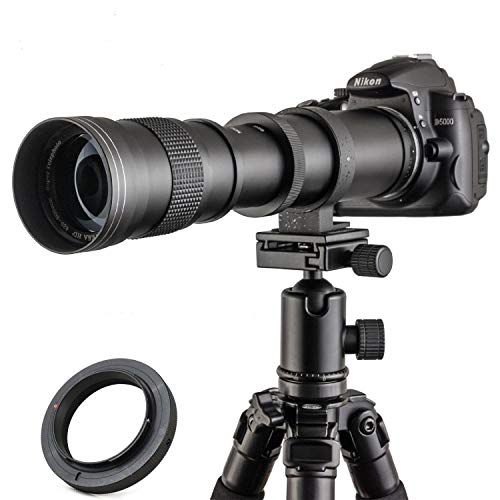
The JINTU 420-800mm telephoto lens offers an extremely long reach for capturing distant action in outdoor venues. Classified as a manual-focus lens, it emphasizes range and magnification, with a compact, metal-bodied design. The listing notes a lightweight build and a free Canon adapter, expanding compatibility with Canon EOS bodies. For sports photographers who need to photograph distant stadium action or wildlife during events, this option provides the longest reach in the set, though it requires manual focusing and careful handling, especially in dynamic sports environments.
- 420–800mm telephoto range
- Full metal construction; relatively lightweight
- Manual focus with adapter included for Canon
Buying Guide
Key purchase considerations help you select a telephoto lens that aligns with your camera system, the sports you shoot, and your budget. The following perspectives cover DSLR and mirrorless users, as well as guided recommendations for different scenarios.
Camera system compatibility and mount type
Choose a lens that matches your camera mount. Canon users can choose RF-mount lenses for newer mirrorless bodies or EF-mount lenses for traditional DSLRs. Nikon shooters will look at F-mount options or, if using a mirrorless system, the appropriate Z-mount adapters. Ensure autofocus performance and stabilization work reliably with your camera body, since tracking fast action depends on quick, accurate AF and smooth IS/VR integration.
Focal length range and field of view
A broader range (e.g., 100–400mm or 100–500mm) provides flexibility for different sports and venues. Longer reaches (420–800mm) help with distant action in large stadiums but can be harder to track with manual focus or heavier, larger glass. Consider your typical shooting distance and how much you value composition control versus portability.
Aperture, stability, and autofocus performance
Sport photography benefits from lenses with stable performance in varying light. A faster maximum aperture helps in dim arenas or late-day games, but stabilization (IS or VR) is equally critical to sharpness when following fast plays. Autofocus speed and tracking capabilities are essential for keeping players crisp as they move across the frame.
Weight, balance, and handling
Telephoto lenses are often heavy. Balance with your camera body to prevent fatigue during long events. Lighter, more compact options improve day-long comfort, while premium super-telephotos often cost more but provide superior image quality and weather sealing.
Budget and value, including renewals
Renewed or refurbished lenses can offer significant savings with reliable performance. Weigh the warranty and return options against the price to determine value. For casual or entry-level sports shooters, a 100–400mm or 75–300mm lens may deliver the necessary reach without the upfront cost of top-tier super-telephotos.
Additional considerations
- Weather sealing for outdoor sports and variable lighting
- Compatibility with extenders or teleconverters if you need extra reach
- Accessory needs such as compatible filters and tripod collars or monopods
- Future system upgrades if you plan to shift to mirrorless or a different brand