On the slopes, clear vision and reliable gear protection are essential for performance and safety. This guide highlights five Amazon picks related to ski goggles and camera accessories, including protective bags that safeguard lenses and compact gear, plus high‑quality ski goggles with anti‑fog and UV protection. Each product is evaluated for durability, ease of use, and compatibility with cameras or lenses when transporting or wearing gear. Whether you’re packing spare lenses, transporting a camera, or simply upgrading your eye protection, these items offer options for different budgets and needs.
| Product | Brand | Highlights | Notes |
|---|---|---|---|
| PATIKIL Ski Goggle Bag | PATIKIL | Two‑pack microfiber bags; cushion and protect goggles and camera lenses | Good for travel and storage |
| Seapon Ski Goggle Bag | Seaponer | Soft microfiber protection; pack of 2; guards goggles and lenses | Scratch‑resistant storage option |
| Supertrip Ski Goggles | Supertrip | Dual‑layer lens with UV protection; anti‑fog inner; helmet compatible | All‑round eye protection on slopes |
| Snowalva Ski Goggles | Snowalva | Frameless design; magnet lenses; two lens options (UV protection) | Versatile lens choices |
| COOLOO Ski Goggles | COOLOO | Two‑pack; UV400 protection; anti‑scratch and dustproof | Great helmet compatibility |
PATIKIL Ski Goggle Bag

The PATIKIL bag set consists of two soft microfiber sleeves designed to cushion and protect eyewear and lenses during transport. Dimensions of 24 cm by 14 cm provide ample space for snow goggles and replacement camera lenses. The soft microfiber material minimizes scratches and dust accumulation, helping maintain lens clarity. The included drawstring closure ensures secure storage, making these pouches convenient for travel or quick on‑site changes between runs. By separating goggles and lenses, users can prevent scratching from contact with other gear and keep electronics free from grit on muddy or snowy days.
These bags are positioned as versatile protective storage for eyewear and optics, emphasizing gentle cushioning and dust protection. They work well for camera lenses, spare frames, or small accessories in addition to goggles. While not a hard case, the microfiber fabric offers lightweight protection for everyday use and casual trips. If you frequently carry multiple lens components in a backpack or ski bag, this two‑pack provides an economical solution to reduce surface contact and potential scratches. For travelers prioritizing soft, compact protection, PATIKIL’s design aligns with those needs.
Seapon Ski Goggle Bag
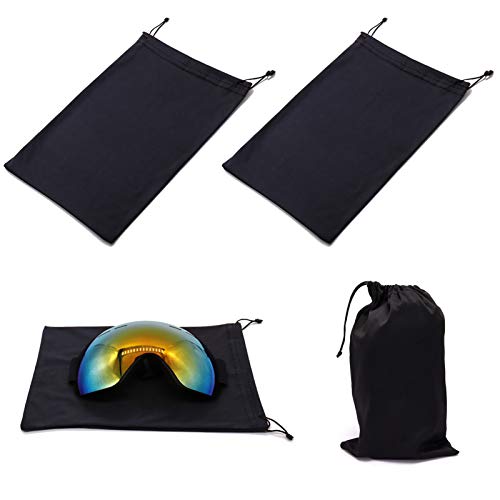
Seaponer offers a practical pair of microfiber goggle bags touted as scratch‑resistant storage for goggles, ski masks, and extra lenses, including camera lenses. The package includes two bags, designed to protect delicate optics from dust, fingerprints, and minor abrasions. The microfiber fabric is gentle on surfaces while remaining durable enough to withstand repeated use on trips to the mountain. While not as rigid as hard cases, these pouches provide lightweight protection and organization, making it easier to separate eyewear from lenses and accessories inside a backpack or ski bag.
These bags are described as suitable for storing goggles, ski masks, replacement lenses, and camera lenses, which can be especially helpful for photographers who shoot on the slopes. The micro‑fiber composition also allows for quick lint‑free cleaning of lens surfaces when needed. For travelers seeking simple, low‑cost protection with room for a couple of lenses, Seaponer’s bags deliver straightforward utility without bulk.
Supertrip Ski Goggles

Supertrip’s ski goggles emphasize eye protection and on‑slope performance. The design features dual‑layer lenses, with an outer UV protection layer and an inner anti‑fog lens capable of performing in a wide temperature range (-20°C to 70°C). The goggles are described as fitting over‑the‑glasses users by offering a generous internal width and height, which helps accommodate eyeglass frames. A high‑density woven strap with strong elasticity aids helmet compatibility and secure placement on most ski helmets. These goggles aim to deliver clear vision and reliable fog resistance in variable mountain conditions while remaining comfortable for long wear.
In terms of lens technology, the anti‑fog capability and UV protection address two of the most common issues on the slopes: moisture buildup inside lenses and UV exposure at high altitudes. The helmet‑friendly strap design and robust frame contribute to overall reliability, particularly for skiers who require dependable fit and performance across a range of activities, from casual runs to more intense powder days.
Snowalva Ski Goggles

Snowalva’s frameless ski goggles come with two magnetized lenses positioned for convenience and rapid lens changes. The Silver (VLT 9%) and Clear (VLT 83.5%) lens options provide flexibility for varying light conditions, with UV400 protection to guard against sun exposure at altitude. The frameless design tends to offer a wider vertical field of view, which can enhance peripheral awareness while speeding up lens swaps when lighting shifts. The product’s framing emphasizes lightweight wear and a modular approach to on‑the‑go lens customization, appealing to skiers who want adaptable eyewear for bright sun and overcast days alike.
For performance, the magnetized lenses streamline the process of switching lenses on the mountain, reducing downtime between runs. The combination of UV protection and a broad VLT range aims to balance visibility and comfort, especially during bluebird days or low‑light conditions. While frameless construction can affect durability in rough environments, Snowalva focuses on a streamlined, versatile setup for active skiers and snowboarders seeking quick lens changes on the slopes.
COOLOO Ski Goggles
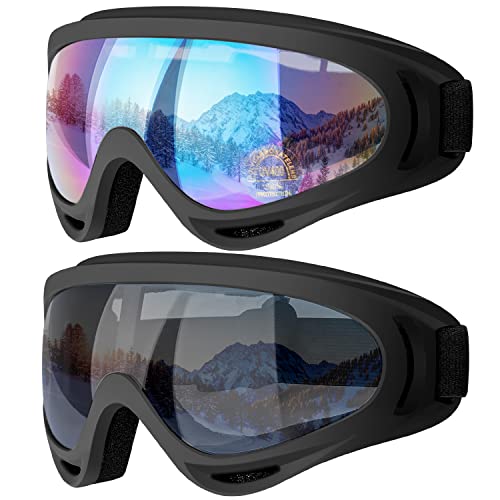
COOLOO offers a two‑pack of ski goggles designed for versatility and broad use across sky‑glide days and deep powder. The goggles emphasize UV400 protection for both tinted and clear lenses, with a flexible ABS frame and impact‑resistant PC lenses to guard against wind and snow. A multi‑layer foam lining adds warmth and comfort, while the elastic strap is described as long enough to accommodate helmet use. These features collectively target families, groups, or friends who want reliable eye protection with shared gear, enabling easy rotation between sessions or different lighting conditions on the mountain.
The COOLOO product line highlights helmet compatibility and a protective approach suited to everyday outdoor use. The included design considerations make these goggles suitable for varying head sizes and activity levels, from casual winter outings to more energetic runs. For skiers who prioritize a balance of protection, comfort, and value, the COOLOO options present a practical choice with durable build and straightforward performance.
Buying Guide
Choosing ski goggles and accessories that align with camera gear involves balancing protection, clarity, and transport efficiency. Below are key purchase considerations and how they apply to the five products reviewed above, plus practical buying context for camera lovers on the slopes.
Lens protection and clarity
- Anti‑fog performance is essential in cold, humid, or sweaty environments. Goggles with dual‑layer lenses or anti‑fog coatings help minimize fog where breath and moisture are common.
- UV protection is crucial at higher elevations where sun exposure is stronger. Look for UV400 or higher ratings to shield eyes from harmful rays.
- Interchangeable or multi‑lens options offer adaptability to bright sun or low light. Cases and bags that protect multiple lenses complement this flexibility.
Fit, comfort, and helmet compatibility
- Helmet compatibility and strap adjustability ensure a secure fit without gaps that let wind irritate the eyes or glasses fog up inside the goggles.
- Foam quality and interior linings impact warmth and comfort during long days. A snug seal helps reduce wind chill on the face.
- For eyeglass wearers, check whether the goggles provide enough interior space or “over‑the‑glasses” room to prevent pressure on frames.
Lens care and maintenance
- Microfiber cleaning cloths and safe cleaners help preserve clarity without scratching coatings. Avoid ammonia or harsh solvents on delicate optics.
- Accessory products like lens cleaning sprays (for example ZEISS) paired with microfiber cloths can support on‑field touch‑ups, keeping glare and fingerprints to a minimum.
Storage, travel, and camera accessories
- Protective bags and pouches reduce the risk of lens damage when transporting goggles and camera equipment together. Soft microfiber pouches are lightweight and portable, though not as rigid as hard cases.
- If you carry spare lenses or camera components, consider separate protective sleeves to avoid cross‑scratching between optics and eyewear.
Value and durability
- Two‑pack options for bags and goggles offer cost efficiency and shared accessories, which is helpful for families or groups sharing gear.
- Durable materials like ABS frames, PC lenses, and high‑quality microfiber contribute to longer product lifespans in rugged winter conditions.
Side‑by‑side considerations
For transportation and lens protection, protective goggle bags (PATIKIL, Seaponer, and Flutesan style options) provide lightweight, convenient storage that helps separate lenses and goggles. For on‑slope eye protection, real ski goggles (Supertrip, Snowalva, and COOLOO) deliver the essential elements: UV shielding, anti‑fog performance, and a secure fit with or without a helmet. If you plan to bring camera gear, prioritize bags that explicitly mention compatibility with camera lenses to minimize risk during travel. In all cases, prioritize products with positive reviews, strong build quality, and consistent performance under cold weather conditions.
Usage scenarios and recommendations
Photographers who shoot on the mountain will appreciate protective bags that can house goggles and spare lenses, reducing risk when moving between lifts and vehicles. Skiers seeking convenience may prefer two‑pack options for everyday use and travel. Those who frequently encounter bright sun should favor goggles with UV protection and tinted lenses designed to maintain clarity in glare. Finally, users should select gear that fits well with their helmet and eyewear, ensuring a comfortable, secure fit across a full day on the slopes.