Short throw projectors offer large images from close distances, making them ideal for small rooms and rooms with limited seating. To maximize flexibility, a quality lens adapter can expand compatibility, letting you pair different lenses and achieve the best image quality in tight spaces. This guide highlights five adapters that pair well with compact projection setups and a projector option for reference. Each pick emphasizes compatibility, durability, and ease of use, helping you tailor a setup that suits your room size, lens collection, and viewing goals.
Below is a quick table summarizing the five chosen products, followed by detailed sections for each item. The buying guide at the end covers key considerations for selecting adapters in short throw systems, including lens compatibility, autofocus behavior, build quality, and practical usage scenarios.
| Product | Brand | Compatibility | Key Benefit |
|---|---|---|---|
| EBYPHAN EF-EOS R Mount Adapter | EBYPHAN | Canon EF/EF-S lenses to EOS R series | Autofocus speed and camera-side aperture control |
| Fotasy Minolta MD to Canon EF Adapter | Fotasy | Minolta MD lenses to Canon EF | Inexpensive legacy-lens compatibility with infinity focus |
| Meike EF-EOSR Auto-Focus Lens Adapter | Meike | Canon EF/EF-S to EOS-R/RP/SLR bodies | Electronic contacts enable AF and auto exposure |
| Fotasy Minolta MD to Fuji X Adapter | Fotasy | Minolta MD lenses to Fujifilm X | Infinity focus and durable copper mount |
| Fotasy Canon EF to Fuji X Adapter | Fotasy | Canon EF/EF-S lenses to Fujifilm X | Manual focus with infinity focus guaranteed |
EBYPHAN EF-EOS R Mount Adapter

The EBYPHAN EF-EOS R Mount Adapter is designed to let Canon EF and EF-S lenses work with Canon EOS R-series bodies, including R, RP, R3, R5, R6, R6II, R7, R8, R10, R50, and R100. It supports fast autofocus and allows actual lens aperture control from the camera side. Shutter speed, ISO and other exposure parameters are displayed on the camera, helping photographers maintain precise settings during a short throw installation or compact theater setup.
- Compatible Lens: Canon EF/EF-S lenses (not RF, EF-M, or CN-E)
- Compatible Cameras: EOS R series including R, RP, R3, R5, R6, R6II, R7, R8, R10, R50, R100
- AF & Aperture Control: Autofocus speed is supported; aperture is controlled from the camera
- Display: Shutter, aperture, ISO and other parameters shown on camera
In compact home theater deployments, this adapter helps you reuse existing Canon glass with modern mirrorless bodies, enabling more flexible lens choices without investing in new optics for a short throw footprint. The design emphasizes reliable electronic communication between lens and body, which contributes to smoother operation when space constraints demand quick focus shifts and consistent exposure across varying viewing distances.
Fotasy Minolta MD to Canon EF Adapter

The Fotasy Minolta MD to Canon EF Adapter enables Minolta MD mount lenses to be used on Canon EOS camera bodies. It includes a glass element that preserves infinity focus, making legacy lenses usable on modern sensors. There are no electrical contacts in this adapter, so exposure and focus must be adjusted manually. This option is attractive for budget-conscious setups seeking broader creative options in tight spaces where a short throw might benefit from unusual focal lengths.
- Infinity Focus: Enabled with a glass element
- Manual Operation: No electrical contacts; manual exposure and focusing required
- Mount Compatibility: Minolta MD to Canon EF
For a compact home theater or small studio, using older MD glass can deliver distinct image character while keeping costs down. The trade-off is the lack of autofocus and automatic exposure control, which means more hands-on adjustment during playback or shooting. This adapter suits users who value optical variety and want to experiment with classic lenses within a short-throw environment where space constraints favor flexible focal options.
Meike EF-EOSR Auto-Focus Lens Adapter

The Meike EF-EOSR Auto-Focus Lens Adapter is built to connect Canon EF/EF-S lenses to EOS-R and related mirrorless bodies such as R, RP, R5, R6, R7, R10, C70, and RED Komodo. It features electronic contacts that support AF, auto-exposure, automatic diaphragm, and auto-aperture for Canon EF and EF-S lenses. The adapter is described as light and comfortable to hold, making it a practical option for users who want seamless AF integration in a compact projection or studio setup where a short throw demands quick lens changes.
- Electronic Contacts: Supports AF and exposure control
- Compatibility: EF/EF-S lenses with EOS-R series and select cameras
- Build: Metal construction noted for durability and a lighter feel
In short-throw configurations, AF-enabled adapters streamline operation, particularly in entertainment rooms or classrooms where quick focus adjustments are frequent. The Meike adapter’s emphasis on electronic coupling helps preserve modern lens performance while accommodating legacy glass through a single, compact mounting solution.
Fotasy Minolta MD to Fuji X Adapter

The Fotasy Minolta MD Lens to Fuji X Adapter lets you mount Minolta MD Rokkor lenses on Fujifilm X-mount cameras. It guarantees infinity focus and uses a copper lens mount for durability. There are no electrical contacts, so you must adjust exposure and focus manually. This adapter expands creative options for short-throw setups where space and distance to screen require careful composition and unique focal lengths from classic glass.
- Infinity Focus Guaranteed
- Copper Mount: Durable build
- Manual Operation: No electronics or autofocus
For enthusiasts who own classic MD lenses and want to experiment with a compact projection arrangement, this adapter provides a solid mechanical solution. In short-throw contexts, it’s particularly useful for achieving distinctive image tones and depth of field with limited room for camera-to-lens adjustments.
Fotasy Canon EF to Fuji X Adapter
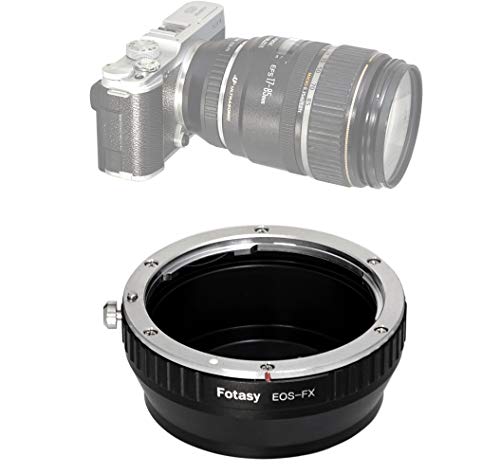
The Fotasy Canon EF to Fuji X Adapter allows Canon EF/EF-S lenses to fit Fujifilm X-series cameras. It maintains infinity focus and has no electrical contacts, meaning exposure and focusing are manual. Automatic diaphragms and autofocus are not operated through this adapter, so it is best suited for users who prefer full manual control in a compact, space-conscious projection or photography setup.
- EF/EF-S to Fuji X Mount
- Infinity Focus: Guaranteed
- Manual Operation: No AF or automatic diaphragm
In a short-throw environment, where space constraints and setup speed matter, this adapter offers a straightforward, budget-friendly path to using Canon glass on Fuji bodies. The manual control approach can be an advantage for filmmakers and photographers who want deliberate, tactile lens handling during live projection or on-camera work in intimate rooms.
Buying Guide
Choosing the right short throw projector lens adapter depends on your equipment ecosystem, desired level of control, and budget. This guide covers several perspectives to help you balance performance, compatibility, and practicality in compact projection spaces.
Compatibility and Ecosystem Alignment
Start with the camera-lens pairing you already own. If you shoot with Canon EF or EF-S lenses on an EOS R-series body, prioritize adapters with electronic contacts for AF and auto-exposure. For legacy lenses (Minolta MD, for instance), consider adapters that guarantee infinity focus, and decide whether manual focus suits your workflow. If you plan to mix ecosystems (Canon lenses on Fuji bodies or Minolta lenses on Canon), ensure the adapter hardware securely fits both mounts and supports stable alignment in tight spaces.
Autofocus, Aperture, and Exposure Control
Adapters offering autofocus and camera-controlled aperture simplify operation in short throw setups where you need to adjust framing quickly. However, some adapters intentionally omit electronics to preserve image integrity or reduce cost, requiring manual focusing and exposure. Your choice should reflect how often you adjust focus during a viewing session or shoot and whether you value seamless AF over potential price savings.
Build Quality and Durability
In tight spaces, a solid build matters. Metal mounts tend to be more durable and provide better alignment stability, reducing wear when lenses are swapped or projectors are positioned close to screens. Plastic adapters may suffice for casual use but can introduce flex or looseness over time. If your short throw setup travels or is adjusted frequently, investing in a robust adapter pays dividends in long-term reliability.
Image Quality and Infinity Focus
Infinity focus is essential when using long focal-length lenses or projecting at larger screen sizes. Adapters with glass elements that preserve infinity focus can help maintain sharpness across the frame, especially when you’re working with older lenses. For telescope or projection configurations, ensure the adapter does not degrade light transmission or introduce vignetting at the screen edge.
Budget Versus Value
Prices vary, but the best value often lies in adapters that balance build quality with essential features. If autofocus is a priority or you already own compatible glass, a mid-range adapter with electronic contacts could be the most cost-effective choice. For hobbyists exploring legacy lenses, a manual adapter may offer enriching creative options at a lower price point, though it requires more hands-on control during use.
Use Case Scenarios
Use-case matters: for a small living room where you want quick lens swaps and reliable AF, prioritize an adapter with electronic contacts and a solid mount. For a learning setup or studio where you’re experimenting with classic lenses, a manual adapter provides tactile control and unique optical character. If you’re building a multi-ecosystem setup (for example, Canon glass on Fuji bodies), verify that each adapter maintains precise alignment and adequate clearance to avoid interference with the projector’s exit path and screen placement.
Practical Tips for Short Throw Installations
- Verify clearance: Short throw setups require careful spacing between projector, lens, and screen to avoid keystone or cropping.
- Test infinity focus: Before finalizing placement, confirm infinity focus with representative lenses to avoid partial softness at screen edges.
- Lock mounts securely: Tighten all adapter screws to prevent drift during use, especially if you’re adjusting positions frequently.
- Document lens behavior: Keep notes on which lenses work best with particular adapters and room distances to streamline future setups.
These considerations help ensure that your short throw projection arrangement delivers consistent image quality while remaining adaptable to future lens or camera upgrades. By selecting adapters that align with your current ecosystem and intended use, you can optimize your compact theater or workspace for immersive viewing without sacrificing ease of use or reliability.