Choosing the right SD card is essential for photographers and videographers who need dependable performance across bursts, transfers, and 4K footage. Key factors include speed class, read/write speeds, capacity, and durability. The five cards below represent solid choices for American shooters, balancing performance with value. Each option links to Amazon for quick comparison, while the buying guide at the end explains how to select the best card for your gear, workflow, and budget.
| Product | Capacity | Max Read | Notes |
|---|---|---|---|
| SanDisk Extreme Pro 128GB SDXC | 128GB | 200 MB/s | Pro-grade with QuickFlow; great for 4K and fast offloads |
| SanDisk Extreme 256GB SDXC | 256GB | 180 MB/s | High capacity for longer shoots and 4K |
| Lexar 256GB Professional Silver SD Card | 256GB | 205 MB/s | High read speed for quick transfers |
| SanDisk Ultra 128GB SDXC | 128GB | 100 MB/s | Value-conscious option for Full HD and casual use |
| Speederlash 128GB Micro SDXC | 128GB | 90 MB/s | MicroSD with adapter; A1 performance and rugged design |
The following five cards cover mainstream needs—from fast 4K capture to reliable everyday shooting—while offering a range of capacities and form factors. Use the Buying Guide to tune your choice to your camera’s specifications and your shooting style.
SanDisk Extreme Pro 128GB SD Card
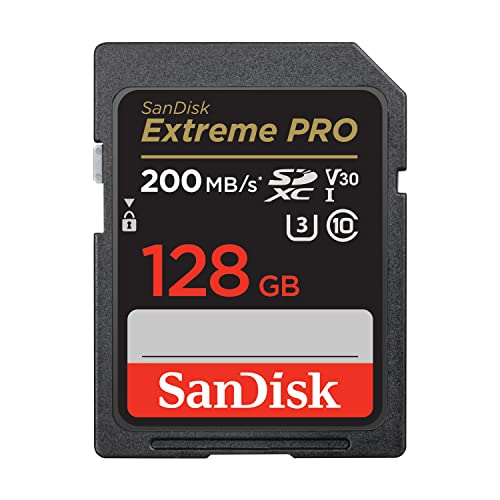
This card targets high-speed workflows with up to 200 MB/s read speeds and up to 90 MB/s write speeds, enabled by SanDisk QuickFlow Technology. Such performance helps with rapid offloads after a shoot and supports sustained bursts when capturing high-resolution photos or 4K video. The card is designed for users who require fast transfers to minimize downtime between takes. It’s compatible with devices that can reach these speeds, and it presents a strong balance of capacity and speed for professional use.
- Up to 200 MB/s read speeds
- Up to 90 MB/s write speeds
- 4K UHD capable; C10, U3, V30 class features implied by the product line
Other notes indicate compatibility with the SanDisk Professional PRO-READER SD and microSD readers to maximize throughput (sold separately). For photographers using high-end cameras, this card offers reliable performance with efficient offloads and robust endurance in field conditions.
SanDisk Extreme SDXC 256GB Card

The 256GB Extreme offers very high performance with speeds advertised up to 180 MB/s read and up to 130 MB/s write, making it suitable for 4K video recording and rapid file transfers. The QuickFlow Technology improves workflow efficiency, especially when backing up large shoots or processing 4K footage in post. SanDisk notes that certain capacities enjoy QuickFlow enhancements, and performance can vary with host device and conditions, so pairing with capable readers and devices helps achieve the best results.
- Up to 180 MB/s read, up to 130 MB/s write
- 4K video support; C10, U3, V30 class features
- Excellent for longer sessions and higher bit-rate footage
When used with compatible readers like the SanDisk PRO-READER, you can push throughput further. This card is well-suited for enthusiasts and professionals who shoot daily with mirrorless or DSLR cameras that support fast UHS-I transfers.
Lexar 256GB Professional Silver SD Card

Lexar’s 256GB Professional Silver card delivers strong performance with a maximum read speed of 205 MB/s and a maximum write speed of 140 MB/s, enabling quick offloads and efficient handling of high-bitrate media. The card is rated V30 and supports 4K recording, which helps ensure smooth video capture even during longer sessions. This option is popular among professionals who need reliable, fast transfers in a compact, durable package.
- 205 MB/s read, 140 MB/s write
- V30 rated; supports 4K up to 60FPS
- Reliable for professional photography and videography workflows
Lexar emphasizes dependable performance for photographers and videographers who require rapid data movement between camera, card, and editor. It pairs well with high-end bodies and fast readers, offering consistent results in demanding environments.
SanDisk Ultra 128GB SDXC Card
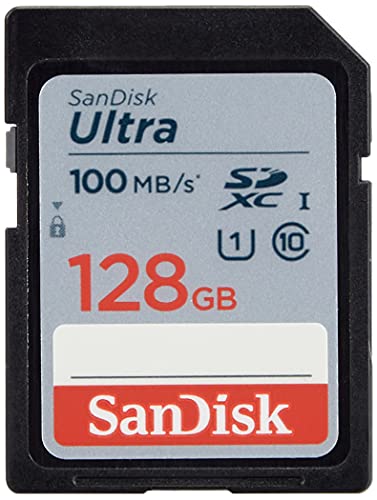
SanDisk Ultra cards are marketed for everyday photography and Full HD video. The 128GB version provides ample room for travel shoots and casual work, while the card’s class 10 rating supports smooth Full HD recording. The product line generally emphasizes faster transfers versus extreme professional-grade speeds, making it a practical choice for hobbyists or budget-conscious shooters who still want reliable performance.
- Up to 100 MB/s read speeds (as per product name)
- Class 10, U1 for Full HD video
- Good balance of price and capacity for everyday use
For shooters who prioritize affordability and proven reliability over ultra-high-speed bursts, Ultrа cards provide a solid foundation for standard photo and video projects without sacrificing quality.
Speederlash 128GB Micro SDXC Card

The Speederlash microSDXC card delivers up to 90 MB/s read speeds and is A1-rated to support app performance on compatible devices. It includes an SD adapter for broader compatibility with cameras and card readers. This card is designed for devices that require a smaller form factor or for users who want a secondary solution for backup or mobile recording workflows. It’s built to be waterproof, shockproof, and heat resistant, increasing reliability in challenging environments.
- Up to 90 MB/s read speeds
- A1 app performance rating; includes SD adapter
- Rugged design: waterproof, shockproof, resistant to temperature and X-ray exposure
MicroSD cards are popular for action cameras, drones, and devices with limited space. They offer flexibility when paired with adapters but may not always match the sustained speeds of larger SD cards. Consider your device’s compatibility and whether you need the smaller form factor for portability or spare capacity.
Buying Guide
When choosing an SD card, photographers and videographers should weigh several factors to match their gear and workflow. Here are key purchase considerations and comparisons to help you decide which card best fits your needs.
- Capacity: Higher capacities reduce the need to swap cards during long shoots. For 4K video and RAW bursts, 128GB or 256GB options are common. If you shoot extensively, consider 512GB or larger where supported.
- Speed class and performance: Look for C10, U3, and V30 ratings for reliable 4K recording and smooth video; higher read/write speeds shorten offload times and improve real-time performance in bursts.
- Read vs write balance: Photographers benefit from fast write speeds for bursts, while editors often prioritize high read speeds for quick transfers. A card with both strong read and write speeds is ideal for versatile use.
- Form factor: SDXC cards are standard for most DSLRs and mirrorless cameras, while microSDXC cards (with adapters) suit action cameras and phones. Ensure your camera supports the chosen form factor and speed.
- Durability and reliability: Look for waterproof, shockproof, temperature-resistant, and X-ray-proof builds. These features are valuable for outdoor shoots and travel.
- Brand reliability and ecosystem: Reputable brands like SanDisk and Lexar often provide robust warranties and compatibility with high-quality readers, aiding long-term workflow.
- Reader compatibility: To maximize throughput, pair the card with a fast reader (e.g., USB-C readers and high-speed SD connectors). Some manufacturers offer dedicated readers to unlock maximum speeds.
- Workflow strategy: For high-volume or professional work, maintain a backup plan (two cards per shoot, regular offloads) to prevent data loss and downtime.
- Cost vs benefit: Ultra cards offer value for everyday use, while Extreme lines provide professional-grade performance. Choose based on your shooting demands and budget.
In practice, a typical setup for a serious photographer or videographer might include a high-speed 128GB Extreme Pro card for primary shooting, a 256GB Extreme or Lexar Professional for backups or longer sessions, and a microSD option for portable devices or backups. Always format cards in-camera and follow best practices for data management to protect critical footage and images.