Film photography continues to attract enthusiasts who value tactile control and the distinctive character of analog images. This guide highlights five rangefinder-style cameras and related tools that suit a range of shooting styles, from classic street portraits to landscape explorations. Each model below offers different handling, formats, and optics, helping you choose a tool that matches your workflow. Use the quick table to compare fundamentals, then read detailed notes on each option to decide which camera fits your creative path.
| Product | Brand | Notable Feature |
|---|---|---|
| Leica M6 Film Rangefinder | Leica | 0.72x rangefinder with brass/top finish |
| Holga 120 Pan Panoramic | HOLGA | 6×12 cm panoramic format and 90mm lens |
| Argus C3 35mm Rangefinder | Argus | Classic brick camera with 35mm film |
| Kodak Ektar H35 Half-Frame | KODAK | Half-frame 35mm with built-in flash |
| Chi L.D. Light Meter Lite | CHI | All-in-one meter with laser distance |
Leica M6 Film Rangefinder

The Leica M6 exemplifies classic rangefinder design with modern refinements. It offers a 0.72x magnification viewfinder for precise framing and parallax correction, paired with high-clarity coated optics to minimize stray light. The meter is integrated into the viewfinder, displaying exposure readouts via a red dot and guiding arrows. A battery warning helps prevent surprises in low light. The top cover blends zinc die-cast with brass and is finished in abrasion-resistant black lacquer for durability. Paired with Leica M lenses, the M6 remains a benchmark for street and documentary work.
- 35mm film format
- 0.72x magnification rangefinder
- Red-dot exposure readout and battery warning
- Brass top cover with durable lacquer
Holga 120 Pan Panoramic Camera
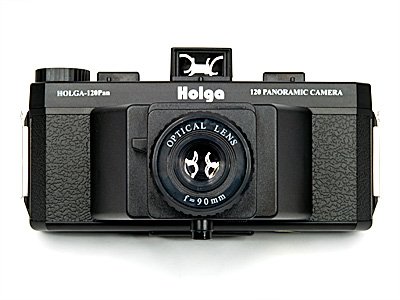
The Holga 120 Pan Panoramic is built for panoramic images on 120 film. Its 90mm lens yields broad, soft-focused frames, appealing for landscapes and experiments. A panoramic viewfinder assists with composition, while the simple plastic build invites playful, expressive photography. The camera’s distinctive, lo-fi look has cemented its place in experimental and education settings, offering a low-cost path into panorama work without complex controls.
- 6×12 cm panoramic frames
- 90 mm lens
- Panoramic viewfinder for composition
- Affordable, simple plastic build
Argus C3 35mm Rangefinder

The Argus C3 is a historic 35mm rangefinder in a compact brick design that helped popularize portable photography. It emphasizes straightforward operation and manual framing, enabling quick learning of focus and exposure on the street or during travel. As a mid-century classic, it provides tactile handling and a distinct tonal quality that modern digital tools rarely match. Collectors and photographers alike appreciate its mechanical reliability and educational value in understanding rangefinder systems.
- 35mm film format
- Classic brick camera design
- Simple rangefinder operation
Kodak Ektar H35 Half-Frame

The Kodak EKTAR H35 Half-Frame Camera uses half-frame 35mm to double the shot count, delivering roughly 72 exposures per 36-exposure roll. It is lightweight and portable, appealing to travelers and casual shooters. Built-in flash expands usability in varied lighting, and the camera’s straightforward operation makes it accessible to analog hobbyists seeking an easy, economical entry into half-frame photography.
- Half-frame 35mm format
- Approximately 72 exposures per roll
- Built-in flash
- Lightweight and portable
Chi L.D. Light Meter Lite

The CHI L.D. Light Meter Lite provides a compact, all-in-one solution for precise exposure and distance measurement. It combines a pocket light meter with laser distance measurement, enabling quick exposure calculations with a single tap. The Lite version offers 30° metering for versatile, averaged scene exposure and a built-in laser rangefinder supports precise focus from 0.1 to 50 meters, even in low light. This tool helps filmmakers and photographers optimize lighting without bulky gear.
- 30° metering angle
- Incorporates laser distance measurement
- Exposure and distance in one tap
- 0.1–50 m focus range
Buying Guide
Film format and handling
Film format determines image size, grain structure, and lens choices. 35mm is widely available and easy to process, while medium format yields richer tonality and detail. Half-frame doubles the number of exposures per roll but halves image area. When selecting a camera, consider your preferred balance between shot count, image size, and the availability of compatible film and processing services in your region.
Focusing and rangefinder quality
Rangefinder clarity, brightness, and alignment impact focus accuracy, especially in low light. A finder with good brightness makes close focusing easier, and a magnification around 0.7x–0.72x is common for many classic rangefinders. Check parallax behavior for close subjects, and assess whether the camera’s metering system complements your exposure style, whether fully manual or semi-automatic.
Build quality and materials
Durable construction supports field use, especially for mechanical cameras that rely less on electronics. Brass and metal components often offer longevity, while a robust finish protects the exterior from wear. Weight and balance influence handling on the street or in travel, and a reliable shutter mechanism reduces maintenance concerns over time.
Maintenance and availability
Some models rely on parts and service that vary by brand and era. Lens availability, viewfinder clarity, and service networks influence long-term viability. If you prefer a classic look with mechanical reliability, verify parts supply or plan for potential restoration costs when budgeting.
Use case and value proposition
Identify your primary use: street shooting, travel, documentary work, or learning fundamentals of rangefinder technique. Classic models offer character and tactile engagement, often at approachable prices in the used market. Modern restorations or restored units can improve reliability, but may alter the authentic experience you seek. Your best option aligns with your creative goals and practical constraints.