Studio lighting and camera stands are essential for stable framing, flexible lighting angles, and clean backdrops. This guide highlights five professional, heavy‑duty stands that suit varied studios—from compact rooms to larger shoots. Each option offers solid build quality, versatile height ranges, and compatibility with common mounting threads. The table below summarizes key specs to help you compare at a glance. Whether you shoot portraits, fashion, or product photography, the right stand improves efficiency and results.
| Product | Brand | Max Height | Load Capacity | Notable Feature |
|---|---|---|---|---|
| NEEWER Pro 9ft Stand | NEEWER | 260 cm (9 ft) | Heavy-duty design | 1/4″ screw & 5/8″ stud; foldable |
| NEEWER Casters Heavy Duty Stand | NEEWER | 130–305 cm (4.3–10 ft) | Up to 66 lb (30 kg) | 360° caster mobility; brakes |
| Lusweimi Pistol Grip Stand | Lusweimi | 63–260 cm (2–8.5 ft) | Up to 66 lb (30 kg) | Two grips; 1/4″, 3/8″ screws; 5/8″ pin |
| Neewer 13ft Heavy Duty Stand | NEEWER | ~396 cm (13 ft) | Up to 22 lb (10 kg) | C‑stand style; spring cushion |
| AMBITFUL AL250 Wheeled Stand | AMBITFUL | ~198 cm (6.5 ft) | Up to 22 lb (10 kg) | Three casters; sliding grip arm |
NEEWER Pro 9ft Light Stand

The NEEWER Pro 9ft Light Stand is a metal‑constructed, heavy‑duty option designed to support a wide range of studio gear. It features a standard 1/4″ screw and a 5/8″ light stud, enabling easy attachment of reflectors, softboxes, LED panels, and backgrounds. Its tall profile is suited for overhead lighting or high‑angle shots, while the solid locking mechanism keeps fixtures secure during shoots. When not in use, the stand folds into a compact size, simplifying transport and storage for location work. The construction emphasizes durability without sacrificing portability, making it a staple for busy studios.
Users benefit from compatibility with multiple brands and accessories, expanding the stand’s versatility beyond basic lighting rigs. The design emphasizes stability, with a sturdy base and robust joints that resist wobble when lights are adjusted. While the load ratings are not published in the listing, users report reliable performance with typical studio lighting setups, including reflectors and softbox kits. This model is well suited for photographers and videographers who need a dependable, all‑purpose stand for on‑location and in‑studio work.
NEEWER Casters Heavy Duty Stand
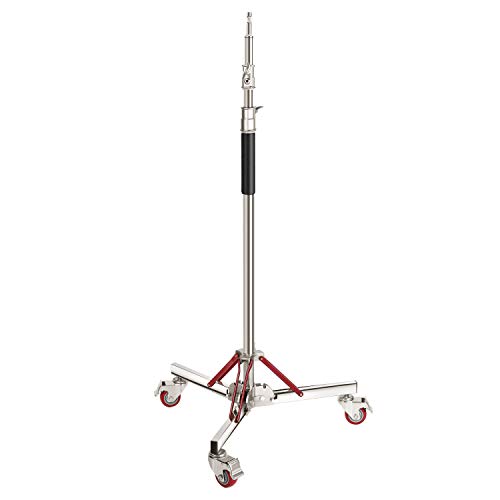
This Neewer stand emphasizes mobility with 360° casters, making it easier to maneuver heavy gear across studio floors. It aims to combine durability with practical functionality, supporting up to 66 lb (30 kg) of equipment. The three‑section telescopic design extends from a compact 4.3 feet to a towering 10 feet, providing flexible overhead lighting capabilities and tall support for various shooting angles. When not in use, it folds down to a manageable length for storage and transport. The stand’s stainless steel construction resists corrosion and weather‑related wear, which is beneficial for outdoor or challenging studio environments.
Beyond height and weight handling, the stand includes step‑on brakes to lock the position securely, protecting delicate gear during adjustments. The combination of a firm lock, smooth mobility, and a stable footprint makes it a practical choice for large softboxes, monolights, and reflectors. It is particularly suitable for studios that require frequent repositioning or on‑location shoots where flooring conditions vary. As with any high‑duty stand, proper maintenance and balance when mounting heavy loads remain important for safe operation.
Lusweimi Pistol Grip Stand

The Lusweimi pistol grip light stand blends strong steel construction with versatile mounting options. It supports a maximum load of up to 66 pounds, making it suitable for a range of photo and video gear, from lights to small LED panels. The stand’s height range runs from roughly 2 feet to 8.5 feet, offering flexibility for overhead placements or top‑down shooting. Its standout feature is dual grips that accommodate 1/4″ and 3/8″ screws, plus a 5/8″ stud, enabling more devices to be mounted simultaneously in a compact footprint. This can simplify on‑set configurations where space is limited.
With its compact collapsed size, the Lusweimi stand remains portable for on‑location shoots. The pistol grip design allows quick adjustments and stable holds, reducing the risk of accidental gear movement. Coupled with a robust steel build, the stand is poised for frequent handling in busy studios. While it may not reach the extreme heights of some taller stands, its reach and mounting versatility make it a solid choice for light setups, overhead rigs, and compact configurations where space matters.
Neewer 13ft Heavy Duty C Stand
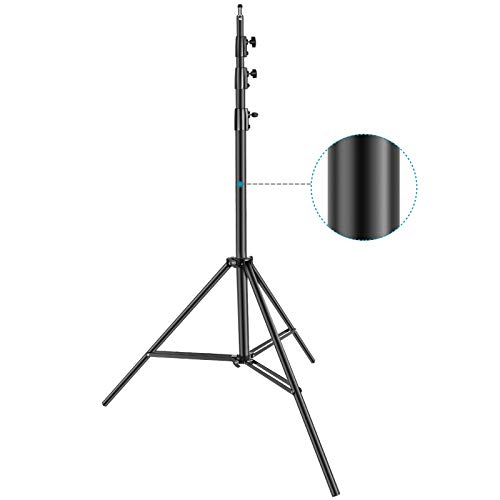
The Neewer 13ft Heavy Duty Stand is designed for high‑reach needs, delivering a substantial vertical extension for overhead lighting, backdrops, and long‑throw access. Built from iron and aluminum alloys, it emphasizes rigidity and durability for demanding shoots. A spring‑cushioned design helps absorb minor bumps and protects mounted gear from impact, while a 1/4″ screw enables quick attachment of common lighting fixtures. Weighing enough to feel stable yet light enough for practical transportation, this stand suits studios that routinely work with larger lights or background support.
With a maximum height around 13 feet, this model provides excellent reach for ceiling rigs or skylight setups. The C‑stand style engineering fosters secure mounting and adaptable configurations, though it requires careful balance when supporting heavier gear. For photographers and videographers who frequently switch between heights and configurations, this stand offers a robust, versatile option that remains manageable in medium‑to‑large studios and on external shoots.
AMBITFUL AL250 Wheeled Stand

The AMBITFUL AL250 combines mobility with sturdy construction for on‑location or studio work. Its wheeled design, including three caster wheels, allows you to roll the stand into position and lock it securely with foot locks. The stand supports up to 22 pounds and offers a maximum height of about 6.5 feet, making it suitable for mid‑range lighting setups, small softboxes, or compact monolights. A sliding grip arm provides convenient mounting options, and the chrome‑plated column adds a professional appearance and added corrosion resistance for longer service life.
Professionals may appreciate the balance between portability and load capacity, particularly in mobile shoots or tight spaces. While it may not handle very heavy gear, its ease of movement and solid locking system help streamline setups. The AL250 is well suited for photographers who need a reliable stand that can quickly relocate within a studio or travel with a crew to remote locations, where quick reconfiguration matters most.
Buying Guide
Key purchase considerations
- Purpose and load: Match stand height and weight capacity to your typical gear—lights, softboxes, reflectors, backgrounds, or multiple devices tied together.
- Height range: If you frequently work overhead or need high ceilings, prioritize taller options (11–13 ft ranges). For tabletop or low-angle setups, shorter stands with robust tilt are advantageous.
- Mount compatibility: Ensure your gear uses common threads (1/4″, 3/8″, 5/8″ pins). Some stands offer multiple mounting options or dual grips to accommodate several devices at once.
- Mobility vs stability: Casters and wheeled bases aid movement in busy studios but add slight weight. Fixed stands excel in stability for longer, stationary shoots.
- Material and durability: Steel builds favor durability and higher loads; aluminum keeps weight down for travel. Consider weather exposure if you shoot outdoors.
- Locking mechanisms: Solid, easy‑to‑operate locks reduce drift and ensure safety when adjusting height or angle.
- Storage and transport: Folding designs and compact stowage help in smaller spaces or on location. Look for stands that fit your bag or trunk dimensions.
- Ergonomics and setup time: Pistol‑grip handles or quick‑release clamps speed up setup, especially when you assemble multiple stands in a tight timeframe.
- Budget vs. durability: Higher prices often reflect heavier duty construction, longer lifespans, and better warranty coverage. Balance cost with your frequency of use and transport needs.
- Safety considerations: Always double‑check locks before raising or extending gear, and avoid mounting very heavy equipment on stands not rated for such loads.
How to compare at a glance
When choosing between stands, consider a mix of height, payload, and mobility. A taller stand with a high load rating is ideal for studio overheads, while a lighter, portable option benefits on‑location shoots. For crews that move quickly between scenes, a wheeled stand with secure brakes can save time, but you may trade some stability for mobility. For dedicated portrait or product shoots, pairing taller stands with solid locks and compatible mounting options often yields the most reliable results over time.