Best Portable Tripod for DSLR: Top Travel-Friendly Picks for Every Budget
Looking for a portable DSLR tripod that combines stability, light weight, and easy setup? This guide highlights five top options that cater to different needs—travelers, vloggers, and studio users alike. Each pick is best for a specific scenario, with clear reasons to choose or avoid depending on your shooting style and gear.
Overview of the selected products:
| Product | Best For | Key Benefit |
|---|---|---|
| Amazon Basics 50-inch Lightweight Portable Tripod | Travelers and beginners | Lightweight, compact, quick setup |
| K&F Concept 64 inch Aluminum Tripod | All-around shooters | High max height, solid load capacity |
| VICTIV 74” Camera Tripod | Outdoor and tall setups | Tall height, versatile mounting for phones and cameras |
| NEEWER Carbon Fiber Travel Tripod TP17B | Lightweight professionals | Carbon fiber, compact for travel |
| SMALLRIG 71″ Tripod & Monopod CT-10 | Versatile content creators | 2-in-1 design, strong payload |
Amazon Basics 50-Inch Portable Tripod

Best for: Beginners and travelers who need a reliable, ultra-light setup. This tripod offers a 16.1 to 50-inch height range with three-section leg locks for quick adjustments. It folds compactly for carry in a lightweight bag, making it ideal for on-the-go photography and casual DSLR use.
Why chosen: The combination of lightweight aluminum construction (about 1.23 lbs), portability, and a quick-release plate makes it easy to set up and reposition. The included storage bag adds convenience for travel routines.
Limitation: It supports standard DSLR gear, but the lower weight and basic head may not satisfy heavy telephoto rigs or advanced video work.
K&F Concept 64-Inch Aluminum Tripod

Best for: Versatile shooters who need extra height and a sturdy base for landscape and portrait work. This model offers a tall maximum height and strong load capacity, making it suitable for heavier DSLR bodies and long lenses.
Why chosen: The 64-inch height range and solid build provide stability for outdoor shoots and studio setups. The 360° ball head allows flexible framing for dynamic compositions.
Caution: Assembly can be slightly more involved; ensure the legs are securely locked before heavy use.
VICTIV 74” Camera Tripod

Best for: Outdoor enthusiasts and tall setups that require extended height for landscape or wildlife shots. The 74-inch tall range supports eye-level framing on many DSLRs with longer lenses.
Why chosen: This tripod combines a tall footprint with a carrying bag for easy transport. It supports a variety of devices, including phones and projectors, via versatile mounting options and a 360° compatible head.
Limitation: The included weight and bulk may be less ideal for ultralight backpackers or very compact travel scenarios.
NEEWER Carbon Fiber Travel Tripod TP17B

Best for: Travelers and compact setups needing a carbon fiber option for weight savings. This model emphasizes durability and travel-friendly packing.
Why chosen: Carbon fiber construction reduces weight while preserving stiffness, aiding stability in varied conditions. The TP17B supports efficient on-the-go shoots with a reliable ball head system.
Limitation: Carbon fiber tends to be pricier than aluminum; budget-conscious buyers may prefer lighter options.
SmallRig 71-Inch Tripod & Monopod CT-10
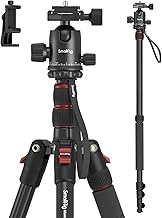
Best for: Content creators who need flexibility, including 2-in-1 tripod and monopod use. This model suits hiking, travel, and occasional macro work with inverse pole options.
Why chosen: Its 360° ball head and adaptable 16″ to 71″ height range provide creative shooting angles and easy transitions between tripod and monopod modes.
Caution: Note that the wide compatibility requires verifying your camera’s mounting setup and any extra balance solutions for heavier lenses.
Buying Guide
- Weight vs. stability: Lighter tripods are easier to carry but may flex with heavy lenses. Choose aluminum or carbon fiber based on weight tolerance and use scenario.
- Height range: If you shoot tall subjects or need eye-level framing while standing, prefer models reaching 70 inches or more. For tabletop or low-angle shots, a shorter model is sufficient.
- Head type: A ball head offers flexible angles; a pan-tilt head provides controlled movement suitable for video. Consider 360° rotation for panoramic shots.
- Mount compatibility: Ensure a standard 1/4″-20 screw fits your camera body and lens setup. Some heads support 3/8″-16 for larger rigs.
- Portability features: Quick-release plates, included carrying bags, and folding length influence travel convenience.
- Monopod options: If you anticipate tight spaces or rapid repositioning, a 2-in-1 tripod/monopod offers versatility without carrying extra gear.
- Price vs. value: Carbon fiber models are lighter but pricier. Aluminum tripods provide good stability at a lower cost, suitable for beginners and hobbyists.
Frequently Asked Questions
- What is the best portable tripod for DSLRs on a budget? An aluminum tripod with a solid pan head usually offers the best balance of price, stability, and portability.
- Do I need a carbon fiber tripod for travel? If you prioritize weight savings and compact packing, carbon fiber helps reduce fatigue and packing volume, but it costs more.
- How tall should a tripod be for DSLR use? A height near or above 60 inches works well for most standing shots, especially when using higher lenses.
- Is a 2-in-1 tripod/monopod worth it? Yes, for travelers and event shooters who need quick transitions and compact gear options.
- What should I look for in a travel tripod’s stability? Look for a robust locking mechanism, wide stance when extended, and a stable head with minimal wobble under weight.
- Are there safety cautions with lightweight tripods? Always confirm leg locks engage securely and avoid extending legs on uneven ground to prevent tipping.