Preserving the character of vintage photography means pairing the right film with the right camera. This guide highlights five solid options for film lovers who want authentic tones, reliable color reproduction, and easy handling. From pocket half-frame cameras to versatile 35mm color films, these picks span different budgets and shooting styles. Whether you’re revisiting a classic camera or kicking off a throwback project, the following products align with varied needs—balancing ease, durability, and the distinctive texture that only film can deliver.
| Product | Brand | Best For |
|---|---|---|
| KODAK EKTAR H35 Half Frame Camera | KODAK | Pocket half-frame shooting with built-in flash |
| Fujifilm Fujicolor 200 Color Negative Film | Fujifilm | Reliable 35mm color film for everyday photography |
| Balveli Ultramax 400 & Gold 200 Bundle | Balveli | Value-packed 3-roll color film bundle |
| KooingTech 35mm Film Roll ECN 2 | KooingTech | Versatile color film for outdoor and portraits |
| KODAK EKTAR H35N Half Frame Bundle | KODAK | Half-frame camera bundle with included film |
KODAK EKTAR H35 Half Frame Camera
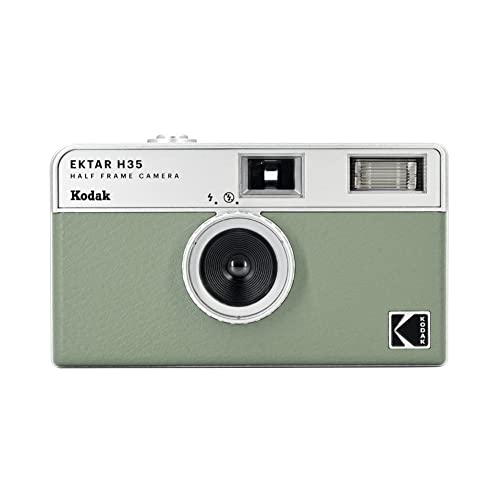
The KODAK EKTAR H35 is designed for compact, half-frame shooting, effectively doubling exposure counts per roll. Its pocket-friendly form factor suits daily carry, travel, and street photography. The model uses a simple, focus-free design that appeals to analog newcomers and seasoned shooters alike, making it a straightforward way to explore half-frame aesthetics without complicating setup.
- Film-saving: You can have twice as many images per roll. For example, a film roll with 36 exposures can yield around 72 half-frame photos – doubled!
- Lightweight and Easy-to-use: The pocket-size camera is light and tiny, and hence convenient for you to bring along daily. Since its instructions are simple, it is suitable for all analog hobbyists.
- Built-in Flash: Turning on the flash by adjusting the silver ring around the lens so that you can use KODAK EKTAR H35 during days and nights, outdoor and indoor.
Ideal for quick travel shoots, street scenes, and portraits with a vintage feel, this camera emphasizes portability and warm color renditions typical of Kodak’s Ektar line. The built-in flash broadens usable situations across different lighting, while half-frame formatting yields a distinct, compact sequence of frames on each roll.
Fujifilm Fujicolor 200 Color Film 35mm

Fujifilm Fujicolor 200 is a dependable 200 ISO color negative film designed for 35mm cameras. With 36 exposures per roll, it offers a balanced color palette and reliable performance across a wide range of lighting, from bright days to overcast scenes. The film’s versatility makes it a popular choice for everyday photography, travel, and casual family moments, delivering natural skin tones and vibrant skies without excessive grain.
- Fuji 200 135-36 Color Print Film
For shooters new to film or those who want predictable results in varying conditions, Fujicolor 200 provides a straightforward option that pairs well with many older and modern 35mm cameras. Its color balance and consistency help preserve the look of scenes—from city streets to landscapes—without requiring specialized processing or exposure tricks.
Balveli Ultramax & Gold 3-Pack Bundle

This premium bundle combines Kodak Ultramax 400 and Kodak Gold 200 films in three 36-exposure rolls, delivering a versatile color-capable option for 35mm photographers. Ultramax 400 is noted for its flexibility in varied lighting, offering strong color saturation and good detail, while Gold 200 emphasizes warm, natural tones with fine grain. The bundle is ideal for shooters who want a one-stop kit that yields reliable, colorful results across different subjects and environments.
- PREMIUM FILM VARIETY: Enhance your 35mm film photography with this premium Kodak film bundle. It includes Kodak Ultramax 400 and Kodak Gold 200 films, each offering unique qualities. Ultramax 400 is renowned for its versatility in various lighting conditions, while Gold 200 delivers rich colors and fine grain. This set is perfect for every 35mm film camera enthusiast looking to capture stunning, high-quality photos.
- HIGH-CAPACITY FILM PACKS: Never miss a moment with this bundle’s three 36-exposure rolls of Kodak 35mm film. Whether you’re shooting with a Kodak film camera or any other 35mm film camera, you have ample film to capture life’s best moments. Ideal for long trips or multiple projects, ensuring you always have a 35mm film roll ready.
- EXCEPTIONAL IMAGE QUALITY: The combination of Kodak Ultramax 400 and Kodak Gold 200 35mm films guarantees top-notch image quality. Ultramax 400 excels in capturing vibrant scenes with exceptional detail under varied lighting, while Kodak Gold 200 is perfect for capturing subtle hues and finer details, making it an excellent choice for 35mm color film photography.
This bundle offers a flexible mix of color profiles suitable for travel, portraits, and everyday photography. The two film types balance vibrancy and warmth, helping shooters adapt to changing lighting without sacrificing color fidelity. It’s a practical option for photographers who want ready-to-shoot film with dependable color rendition for a range of subjects.
KooingTech 35mm Film Roll ECN 2

The KooingTech 35mm film roll is designed for 135 cameras with ECN 2 processing, offering a practical option for outdoor and portrait work. With a light sensitivity of 200–250, this film is positioned to deliver warm tones and classic color characteristics that seasoned film lovers often seek when aiming for nostalgic aesthetics. The format suits landscapes, street photography, and portraits where a certain tactile look matters as much as color accuracy.
- Product Specifications: 35mm film roll size: approx. 4.7×2.7cm /1.9×1.1 inches; Light sensitivity: 200-250 degrees; Washing process: ECN 2
- Features: 35mm camera film roll is used for taking photos with good depth of field, fast shutter speeds or long range of flash photos, and is ideal for outdoor and landscape as well as portraits
- Uniqueness: A photograph or film shot on a 35mm film roll provides a warm and soft taste and brings special visual effects, which makes many photographers and filmmakers still choose to use 35mm color film
For photographers seeking accessible color film with straightforward handling, this option provides a reliable everyday choice. It pairs well with a broad range of 35mm bodies and is adaptable to both casual snapshots and more deliberate landscape or urban photography projects.
KODAK EKTAR H35N Half Frame Bundle

This bundle pairs a half-frame shooting concept with a single Ultramax 400 roll included (24 exposures). It’s a practical entry point for enthusiasts exploring half-frame photography using a complete package. Note that batteries, cable releases, and a tripod are not included, so additional accessories may be needed to maximize shooting flexibility and ensure reliable operation in varied settings.
- ⚠️ This bundle included one roll of Ultramax400 24exp film. While battery, cable release and tripod are not included.
The bundle format makes it convenient to test the half-frame approach with a ready-to-shoot film option. It’s well-suited for travelers, street photographers, and hobbyists curious about how a compact, two-exposure-per-frame system alters composition and storytelling compared to standard 35mm formats.
Buying Guide
When selecting film and equipment for retro shooting, several factors influence outcomes. Understanding format, film type, sensitivity, and processing helps you choose options that align with your goals. Consider how you shoot—street, portrait, travel, or studio—and the lighting you typically encounter. Reliability and availability also matter, as some films and cameras are more widely stocked and easier to develop than others.
Format and exposure count matter most for planning. Half-frame cameras double your exposure count per roll, allowing longer shoots or more frames in a single session, but they require careful composition since each frame is smaller. For those experimenting with vintage aesthetics, half-frame can yield a distinctive sequence with tighter framing and unique cadence. Standard 35mm film remains the most versatile, offering broader selection and easier scanning or printing, while still delivering classic color and grain.
Film speed matters in lighting. ISO 200 is excellent for bright days and studio lighting, delivering fine grain and accurate colors. ISO 400 is more forgiving in lower light or dynamic scenes, but may show more noticeable grain in large enlargements. Some bundles pair 400-speed films with slower 200-speed options to cover a wider range of conditions. Color negative films are typically the easiest to work with for beginners, offering wide latitude in exposure and forgiving color rendition, while providing vibrant, natural-looking results in most environments.
Processing and scanning are essential to the final look. Many labs treat 35mm color negative film the same way, whether you shoot modern or vintage cameras. When scanning, you can choose color or black-and-white digital conversions, or keep the color negatives for prints. If you plan to digitize often, consider a film that scans well and retains detail in shadows and highlights. Labs that offer standard color negative processing will usually support most Kodak and Fujifilm products from this guide.
Budget and availability also shape choices. Bundles that combine multiple rolls deliver value and convenience, especially for ongoing projects or travel. If you prefer a low-friction experience, selecting widely available brands with established processing workflows—like Kodak and Fujifilm—can reduce friction and ensure consistent results across labs and services. Finally, consider how you’ll store and transport film to prevent heat or light exposure, which can affect tone and contrast when you eventually develop the frames.