Analog photography rewards patience and deliberate shooting. If you’re seeking a long-term, reusable option alongside practical, single-use cameras, this guide highlights a standout non-disposable model and several disposable kits to compare formats, handling, and results. The central pick is a reusable 35mm camera that maximizes film utilization, followed by disposable options that illustrate cost, convenience, and flexibility for events, travel, and underwater shoots. Use the Buying Guide below to weigh reusability, film formats, built-in features, and overall value when building your analog toolkit.
| Product | Brand | Reusable | Exposure Count | Notes |
|---|---|---|---|---|
| Kodak EKTAR H35 Half Frame Film Camera | KODAK | Yes | 72 half-frame | Reusable with built-in flash |
| Fujifilm QuickSnap Flash 400 One Time Use | Fujifilm | No | 27 | Indoor/outdoor capabilities |
| Kodak Funsaver One Time Use Film Camera | KODAK | No | 27 | 2-pack bundle |
| Fujifilm Disposable QuickSnap Waterproof 35mm | Fujifilm | No | 27 | Waterproof for pool or beach |
| Fujifilm QuickSnap Flash 400 Disposable 35mm | Fujifilm | No | 27 | Bonus hand strap and microfiber cloth (varies) |
The table above contrasts non-disposable and disposable options at a glance. The Kodak EKTAR H35 offers a reusable design that doubles the number of exposures with half-frame shooting, while the others are convenient single-use cameras suitable for rapid capture in different environments. Consider your goal—ongoing projects vs. occasional events—when selecting between a reusable body and disposable kits.
Kodak EKTAR H35 Half Frame Film Camera
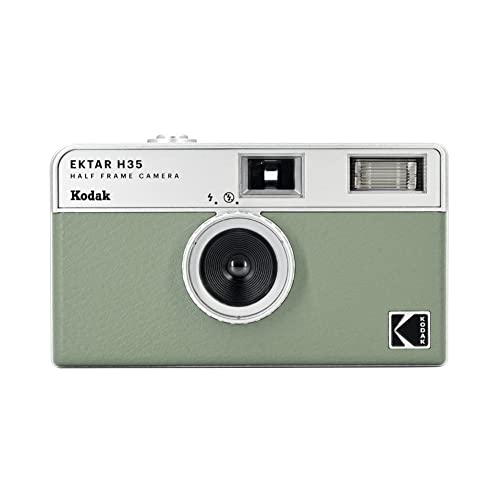
The Kodak EKTAR H35 Half Frame Film Camera is designed for reusable use with a 35mm format that yields up to twice as many images per roll by shooting in half-frame mode. This model emphasizes portability, offering a compact footprint that conveniently fits in a pocket or small bag for everyday carry. A built-in flash expands shooting opportunities in dim environments, with the silver-ring mechanism around the lens used to turn the flash on and off. Note that film and AAA batteries are not included, so you’ll need to acquire compatible film stock and power separately. The camera prioritizes simplicity, making it suitable for analog newcomers and enthusiasts seeking economical long-term shooting.
Operational highlights include straightforward loading and unloading of film, reliable shutter action, and a design built for casual use rather than professional-grade imaging. Its reusable nature and half-frame format make it a practical option for classrooms, travel diaries, or personal art projects where ongoing reusability matters. While not a modern digital device, its classic approach to capturing moments can inspire deliberate composition and film-based learning. Users should budget for frequent film purchases and occasional flash batteries to maximize versatility at varied lighting conditions.
Fujifilm QuickSnap Flash 400 One Time Use 35mm

This set represents a disposable option designed for versatility and ease of use across different settings. Each camera houses 27 exposures and includes a built-in flash to illuminate scenes indoors and outdoors. The QuickSnap Flash 400 line is known for straightforward operation—aim, click, and develop. The 4-pack variant is convenient for events, group outings, or shoots requiring multiple cameras for coverage. While not reusable, these cameras provide quick, reliable results without the need to reload film or manage delicate components, making them popular for birthdays, weddings, or travel where simplicity is valued.
In practice, disposable models like this offer predictable color rendering and consistent exposure control, especially under mixed lighting. They’re ideal when you need to deploy a camera to a guest, a partner, or a location where carrying extra gear isn’t practical. However, users should consider waste, the need to replace film stock, and the fact that the cameras are single-use. For ongoing projects, balancing this option with a reusable camera may optimize long-term costs and sustainability.
Kodak Funsaver One Time Use Film Camera (2-pack)

The Kodak Funsaver 2-pack delivers a practical, budget-friendly disposable option for group events and quick captures on the go. Each camera uses 27-exposure Kodaks 800-speed film to produce bright, vivid colors even in varied lighting. The dual-pack setup is convenient for sharing with friends or outfitting multiple locations during a trip or celebration. Its simple point-and-shoot design emphasizes reliability, with no complex loading or advanced features to manage. For photographers who prefer a low-maintenance approach to film photography, Funsaver offers a dependable, ready-to-use option with familiar Kodak color rendition.
Performance notes include strong color saturation and good shadow detail for casual snapshots. The lack of reusability means ongoing film costs and waste should be considered. While the camera is ideal for informal use and parties, it may not suit projects that require multiple reuses or precise reloading control. If sustainability is a priority, pairing a reusable camera with a limited number of disposables can provide a balanced solution for various shooting scenarios.
Fujifilm Disposable QuickSnap Waterproof 35mm
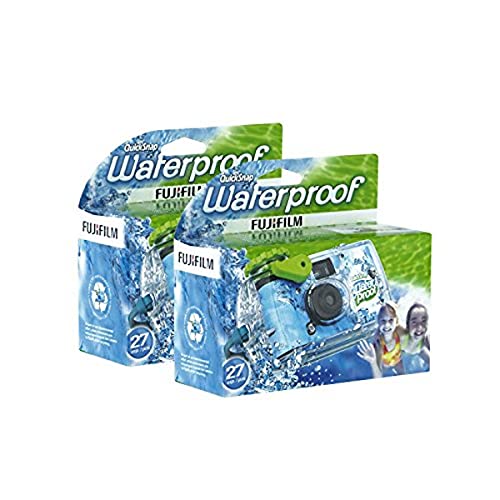
This disposable camera is designed for poolside or underwater use, combining a 35mm format with water resistance to capture moments in wet environments. The waterproof capability expands shooting options for beach days, pool parties, and outdoor adventures where moisture is a factor. Packaged as a 2-pack, it’s ideal for couples, families, or group trips requiring multiple perspectives or backup cameras. While convenient, these cameras share the typical limitations of disposables: fixed shutter settings, limited control over exposure, and the need to replace film after use. They are best suited for casual, recall-worthy snapshots rather than professional or long-term photo series.
Underwater and outdoor performance tends to favor the camera’s flash range and brightness, while post-production steps revolve around standard processing timelines for film development. For users who desire more creative control or more frames per roll, a reusable option alongside a disposable backup can help balance flexibility and cost across varied environments and activities.
Fujifilm QuickSnap Flash 400 Disposable 35mm

This single-pack disposable camera offers the familiar QuickSnap experience with a built-in flash for versatile indoor and outdoor shots. The 27-exposure format is ample for casual events, travel, and day-to-day photography without worrying about reloads. The bundle often includes extras like a hand strap and a microfiber cloth, which can help with handling and care during trips or at parties. As with other disposables, the trade-off is environmental impact and limited control over exposure settings. It remains an accessible option for beginners exploring film photography or for occasions where quick, low-effort captures are preferred.
Buying Guide
Key factors to consider when selecting a film camera—especially a non-disposable option—include reusability, film format, and how you plan to shoot. A reusable 35mm camera like the Kodak EKTAR H35 Half Frame maximizes your film budget by turning one roll into more exposures, and its built-in flash expands shooting opportunities in lower light. For disposable choices, evaluate the number of exposures, flash capabilities, and whether you’ll need multiple cameras for events or family outings. Water resistance, ruggedness, and handling features also influence performance in outdoor settings. Finally, consider maintenance costs such as film stock, processing, and replacement batteries for cameras with electronic features.
- Non-disposable vs. disposable: Reusability lowers long-term cost and waste, but disposables offer convenience for gatherings or travel.
- Film format and exposures: Half-frame options can double the number of exposures per roll, while standard 35mm packs vary by count.
- Lighting and flash: Built-in flash expands usability in dim venues; consider external lighting options if needed.
- Size, weight, and handling: Portable, lightweight cameras encourage spontaneous shooting but may compromise grip.
- Battery and maintenance: Some models require batteries or film stock not included; plan ahead for reloads and power.
In practice, choose a non-disposable camera if you want sustainable shooting with long-term cost efficiency and more control over your results. Use disposable cameras for events, travel, or locations where loading film is impractical. A balanced approach—one reusable body plus a couple of disposables as backups—often provides the best mix of flexibility, convenience, and creative options for modern analog photographers.