Photographers, videographers, and content creators rely on memory card readers to move files from cameras to phones, tablets, or computers quickly and reliably. The right reader supports multiple card formats, delivers solid transfer speeds, and works with your devices without heavy setup. The five readers below balance portability, speed, and versatility across USB-C, Lightning, and multi-card configurations—ideal for field work and studio workflows alike. Use the quick snapshot and the buying guide to pick the best fit for your gear.
| Product | Brand | Key Strength |
|---|---|---|
| Anker SD Card Reader | Anker | Dual-slot USB-C reader with broad compatibility |
| BENFEI 4in1 USB 3.0/USB-C Card Reader | BENFEI | Reads SD, microSD, MS, CF cards; 4 cards at once |
| uni SD Card Reader | uni | USB-C + USB-A dual slots; speeds up to 5 Gbps |
| CULGC Dual-Interface Card Reader | CULGC | Lightning and USB-C ports; SD/TF and USB drives |
| SUNTRSI SD Card Reader for iPhone/iPad | SUNTRSI | 2-in-1 SD/microSD reader for iOS devices |
Anker 2-in-1 USB-C Card Reader
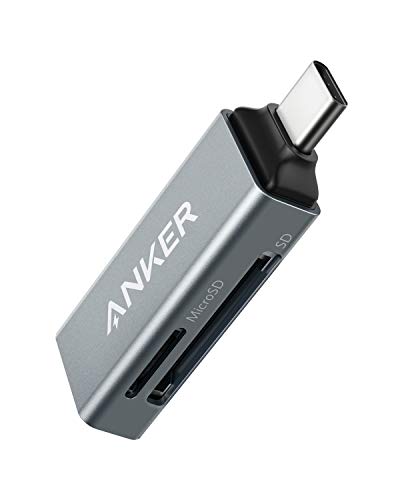
Anker’s 2-in-1 USB-C memory card reader packs SD and microSD slots into a compact, portable shell. The dual-slot design supports easy, organized transfers for photographers who swap between memory formats, and its ultra-compact footprint makes it a dependable carry-along accessory. The unit is designed for USB-C devices, including newer Macs, Windows laptops, and many Android smartphones, ensuring broad compatibility in a single, lightweight package. The reader is built for plug-and-play use, so you can start copying files without installing software or drivers.
For field shoots or on-location edits, the Anker reader keeps workflows simple: remove cards from the camera, insert into the reader, and transfer to your device or storage drive. The dual slots help streamline file management, letting you move photos and videos between cards and devices quickly. While speeds depend on your card, users generally enjoy smooth, reliable transfers suitable for quick previews, backups, and post-processing prep on the go.
BENFEI 4in1 USB 3.0 and USB-C Card Reader

The BENFEI 4-in-1 reader handles four card types—SD, microSD, Memory Stick, and Compact Flash—through a single integrated design. This versatility is especially helpful for photographers who work with legacy media in addition to common SD/SDHC/SDXC formats. The device supports both USB-C and USB 3.0 connections, delivering broad compatibility with modern laptops, desktops, and mobile devices. It’s designed for fast, reliable transfers, and it can read and write across four cards simultaneously when paired with compatible memory cards.
Performance is enhanced by the reader’s USB 3.0 interface, delivering practical transfer speeds for large RAW files and video clips. The BENFEI reader emphasizes stability and convenience; its dual-ported design reduces cable clutter and enables easy on-the-go file management. Some setups may benefit from using high-speed cards to maximize throughput, but the unit remains a practical, all-in-one solution for multi-format workflows.
uni SD Card Reader

uni’s dual-slot reader merges USB-C and USB-A compatibility with two card slots, offering up to 5 Gbps transfer speeds. This makes it a strong choice for those who work across laptops, tablets, and smartphones that support USB-C, while still maintaining compatibility with older USB-A ports. Supported card formats include SD, SDHC, SDXC, MMC, RS-MMC, and microSD variants, ensuring broad usability for cameras, action cams, and other devices. The design emphasizes plug-and-play use without needing drivers, simplifying quick transfers wherever you are.
The compact, durable build is ideal for travel and busy shoots. The device is widely compatible with Windows, macOS, and Android ecosystems, allowing photographers to move files to a central storage solution or directly to a mobile device for quick sharing. While speeds vary with the card and port, the reader consistently supports efficient workflow with reliable performance across environments.
CULGC Dual-Interface Card Reader

CULGC’s reader adds USB-C and Lightning interfaces, enabling straightforward transfers between iPhone/iPad devices and memory cards, plus compatibility with USB drives. This dual-port arrangement is especially useful for iOS users who want a single on-device solution to manage SD/TF cards and external storage. The reader supports SD and Micro SD cards and can deliver data speeds up to 5 Gbps under suitable conditions, keeping workflows flexible in the field or studio.
The device is designed for plug-and-play use, with no app installation required. It reads from multiple card formats and can connect with USB flash drives for quick backups or media sharing. The two-port design supports concurrent tasks, helping you back up footage while importing new media, which can simplify multi-device shoots or live production setups.
SUNTRSI SD Card Reader for iPhone / iPad

SUNTRSI offers a 2-in-1 slot reader designed for iPhone and iPad users, enabling direct transfer from SD and microSD cards to iOS devices without a computer. The accessory targets mobile workflows, letting photographers copy files quickly and share content with coworkers or clients in minutes. Typical transfer speeds fall within the mid-range, suitable for previews, backups, and simple edits on the go. No installation or driver is required, simplifying setup for travelers and field shooters.
Its dual-slot approach keeps memory cards organized, and the compact form factor makes it easy to stash in a camera bag or pocket. While not the fastest option for large RAW sequences or 4K video, it remains a practical choice for rapid on-device transfers, quick backups to your iPhone, and easy social sharing when you need to post content from a shoot without a computer handy.
Buying Guide
Key Purchase Considerations
Compatibility and interfaces matter most. Decide whether you need USB-C, Lightning, or both, based on your primary devices. If you shoot with iPhone or iPad, ensure the reader supports Lightning alongside your preferred memory formats. For laptop or desktop work, a USB-C or USB-A option is essential. Consider a reader with dual slots if you frequently work with SD and microSD cards at once.
Card support and speeds drive real-world throughput. Look for readers that handle SD, microSD, SDHC, SDXC, and, if needed, CF or MS cards. USB 3.x or USB-C interfaces offer higher throughput, which matters for large RAW files and 4K video. Be mindful that speeds vary with card class and device, so the claimed numbers are best treated as guidelines rather than guarantees.
Power, drivers, and portability also matter. Some models draw power from the host and work without drivers, while others require the latest OS support. If you need to access external drives, check whether the reader supports USB flash drives in addition to memory cards. Finally, choose a compact, durable design for travel and outdoor shoots, ideally with a protective cover or integrated cable management.
Use Case Scenarios
- Mobile editing and sharing: Choose readers with Lightning or USB-C compatibility for iPhone/iPad workflows, plus fast transfer speeds to move media quickly.
- Studio-to-desktop workflows: A USB-C/USB-A dual-slot reader with high speeds helps move RAW files and video clips to a computer for processing.
- Travel and field work: Prioritize compact, durable readers with plug-and-play setup and minimal cables to reduce weight and bulk.
- Multi-format compatibility: If you still work with older media like CF cards, opt for a 4-in-1 reader that supports SD, microSD, MS, and CF formats in one device.
Speed, Compatibility, And Durability Overview
In practice, USB-C and USB 3.x readers deliver the best throughput for modern SD cards; however, actual speeds depend on card class, device port, and file type. For iPhone and iPad users, Lightning-compatible options unlock direct transfers without a computer, though they may be limited to specific card formats. Durability and portability round out the decision—choose a reader with a robust build if you shoot on location or in challenging environments.