In this guide, five autofocus film cameras are evaluated for modern analog shooters. These options span 35mm SLRs with built-in AF from Canon to instant-film and half-frame formats, offering reliable focusing, familiar control, and broad film compatibility. Each model shown pairs a practical feature set with accessibility—whether you’re revisiting classic tones, exploring street photography, or building a compact travel kit. The goal is to present objective details, highlight autofocus performance, ease of use, and how each camera handles film loading, exposure control, and flash. Use the quick summary table to compare core specs at a glance.
| Product | Format | Notable Feature |
|---|---|---|
| Canon Rebel 2000 SLR With AF Lens | 35mm SLR | 7-point AF, built-in flash |
| Canon EOS Rebel 2000 Kit | 35mm SLR | AF zoom lens 28-80mm |
| Canon EOS Rebel K2 SLR | 35mm SLR | 7-point AF, multiple shooting modes |
| Polaroid Now+ Now+ Generation 2 | Instant Film | Dual-lens autofocus, Bluetooth app |
| KODAK EKTAR H35 Half-Frame | Half-Frame Film | Film-saving, built-in flash |
Canon Rebel 2000 SLR With AF Lens

The Canon Rebel 2000 SLR is a compact 35mm film camera that blends agile autofocus with familiar SLR handling. This renewed body ships with a Canon 28-80mm AF-enabled zoom, expanding your shooting range from wide environmental to portrait framing without changing lenses. The 7-point autofocus system helps lock focus on both stationary subjects and moving moments, reducing shutter lag and keeping action crisp. A built-in pop-up flash provides extra light for dim interiors or as fill to soften shadows, while the camera’s metering system delivers reliable exposure in common lighting conditions. The result is approachable film photography with dependable AF performance you can trust.
Load a standard 35mm film, compose through the viewfinder, and rely on established Canon ergonomics to maintain comfort during longer sessions. Autofocus supports quick framing when subjects move, and the system works well with a wide range of 35mm stock for color or black-and-white processing. Because this model is renewed, you gain Canon reliability at a favorable price point while enjoying broad compatibility across classic lenses and future film experiments.
Canon EOS Rebel 2000 Kit

The Canon EOS Rebel 2000 kit brings reliable autofocus to a lightweight 35mm SLR, pairing a versatile 28-80mm zoom with familiar Canon ergonomics. The AF system assists with fast focusing on moving subjects, while manual exposure controls let you experiment with shutter and aperture to shape mood and texture. This kit version adds completeness for beginners and enthusiasts who want a ready-to-shoot setup, including a retractable built-in flash for close-range portraits or indoor scenes. The camera’s intuitive layout supports learning while delivering dependable results in a range of light conditions.
Film handling is straightforward: load, wind, and shoot using standard 35mm film stock, then develop later with your preferred lab. The compact body travels well for street photography or travel, and the included zoom provides flexibility across focal lengths. The combination of reliable autofocus and Canon’s lens ecosystem makes this kit a practical entry point for shooters who value ease of use without sacrificing control of exposure and depth of field.
Canon EOS Rebel K2 SLR

The Canon EOS Rebel K2 SLR is a 35mm film camera that blends a 7-point autofocus system with a robust exposure suite. The camera provides 12 shooting modes, including programmed options, making it adaptable to beginners and seasoned shooters alike. The Advanced E-TTL flash metering helps ensure consistent flash exposure across scenes, while the body offers sturdy handling and straightforward film loading. The camera’s flexibility makes it suitable for learning film techniques or building a vintage lens collection, with a durable build that can withstand daily use in various environments.
Using standard EF-mount lenses, you can adapt to a wide array of focal lengths as your film practice grows. Autofocus performance shines in daylight or well-lit interiors, though results may vary when lighting dim. Being a renewed unit, this camera provides Canon reliability at a favorable price point for shooters who want a capable AF 35mm option without huge upfront cost.
Polaroid Now+ Now+ Generation 2

Polaroid Now+ Generation 2 blends an instant-film workflow with modern autofocus-enabled control. The dual-lens autofocus system helps optimize focus in Close-Up and Standard modes, delivering crisp results with minimal manual tweaking. The Bluetooth-connected app opens extended controls—like double exposure, light painting, and noise triggers—creating creative possibilities while shooting with instant film. The Now+ generation 2 maintains Polaroid’s iconic aesthetic and tactile handling, making it a compelling option for social photography, events, or street sessions where immediate prints are part of the appeal.
This bundle includes 16 color photos and emphasizes portability and ease of use. The Now+ bundling reflects a modern emphasis on digital connectivity alongside analog outputs, while still delivering the characteristic instant-film experience that defines Polaroid. The camera’s design—compact, quick to pick up, and fun to shoot—appeals to beginners and enthusiasts who want immediate, tangible results from their photography practice.
Kodak EKTAR H35 Half-Frame
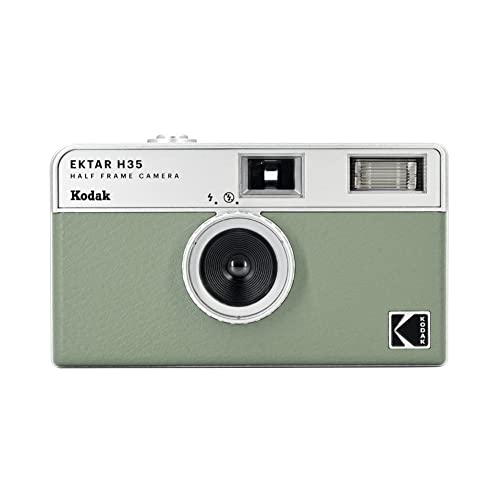
KODAK EKTAR H35 Half Frame Film Camera offers a compact, lightweight option for those curious about half-frame film. It uses standard 35mm film but records two exposures per frame, effectively doubling your roll count. The camera is focus-free and designed for quick, casual shooting, making it ideal for street photography and travel where speed matters. A built-in flash expands its versatility in low light, while the simple controls keep the learning curve gentle for analog newcomers. The half-frame format delivers a distinct look with a higher frame yield per roll.
With half-frame format, you can capture more frames per roll without changing film, though you trade precise focus control for speed and portability. Film stock availability remains broad, and processing is straightforward at most labs. The H35’s minimalist design and affordable price point make it a practical choice for shooters exploring film aesthetics and the slightly cropped look unique to half-frame images.
Buying Guide
Choosing an autofocus film camera involves balancing format, autofocus reliability, and the ecosystem of lenses and film. The five picks above cover 35mm autofocus SLRs, instant-film, and half-frame formats, offering a range of shooting styles from classic street photography to creative instant prints. Consider what you intend to shoot, how much portability matters, and how you plan to process film when deciding which path to take.
Key purchase considerations include format and film availability. 35mm AF SLRs are the broadest and easiest to stock; half-frame cameras give you more exposures per roll but fewer focusing controls; instant film provides immediate results and a distinctive look. Matching film availability in your region is essential, as some stocks may be harder to source than others. If you value spontaneity and tangible prints, an instant-film option like Polaroid Now+ offers unique appeal, while traditional 35mm AF bodies deliver classic workflow and broad film choices.
Autofocus reliability and compatibility are also important. In 35mm cameras, Canon’s AF systems are well-regarded, with 7-point AF providing solid performance for moving subjects. Lenses available for EF mounts broaden your creative potential, but ensure the camera’s AF functions well with your chosen glass. For instant-film and half-frame options, autofocus behavior may differ or be limited; assess how critical precise AF is for your subjects and shooting style before committing.
Ease of use and handling can significantly impact your shooting enjoyment. Consider weight, grip comfort, and control layout, especially if you plan long sessions or travel. Built-in flashes improve versatility in low light, while metering complexity can influence exposure accuracy. Battery requirements for older Canon bodies are generally straightforward, but check what batteries the camera uses and whether replacements remain readily available in your area.
Budget, condition, and the gear’s ecosystem round out a practical decision framework. Renewed or used gear often provides excellent value; verify shutter accuracy, metering response, and AF functionality, and inspect seals for age-related light leaks. Evaluate whether you prefer the stability of a robust Canon lens lineup or the distinctive immediacy of instant-film workflows. Finally, factor in maintenance needs and the availability of service or repair options should you encounter any issues after purchase.
In sum, the best autofocus film camera for you depends on format preference, how you prioritize speed and flexibility, and whether you value the tactile, instant gratification of Polaroid or the classic versatility of 35mm SLRs. Each option in this guide offers a thoughtful balance of autofocus performance, control, and film compatibility to support your personal photography journey.