Micro Four Thirds systems offer compact bodies and versatile lenses for macro work. This guide highlights five Amazon options that maximize close-up performance, from dedicated macro lenses to extension tubes and reverse rings that unlock macro potential with existing lenses. Each pick is chosen for compatibility with Olympus and Panasonic MFT bodies and designed to boost magnification, working distance, and image quality while staying budget-conscious.
Below is a quick overview of the five selected products, including the brand and a key feature to help you compare at a glance.
| Product | Brand | Type | Notable Feature |
|---|---|---|---|
| JJC Micro 4/3 Auto Focus Macro Extension Tube Set | JJC | Extension Tubes | Auto focus compatibility and durable mounts |
| Meike 35mm F1.4 MFT Macro Lens | Meike | Prime Macro Lens | Fast f/1.4 aperture for smooth background blur |
| Mcoplus EXT-M4/3-M 10mm 16mm Tubes | mcoplus | Extension Tubes | Two lengths for adjustable magnification |
| 52mm to m4/3 Macro Reverse Ring | AMOPOFO | Reverse Ring Accessory | Simple lens reversal for macro with existing glass |
| Meike 35mm F1.7 Manual Focus Prime Lens | Meike | Prime Manual Lens | Bright f/1.7 and compact MFT design |
JJC Micro 4/3 Auto Focus Macro Extension Tubes

The JJC extension tube set is designed to shorten the minimum focusing distance, turning almost any existing lens into a macro tool. Built with an aluminum camera-mount side and brass lens-mount interface, the unit emphasizes durability while maintaining light weight. The tube’s construction helps preserve autofocus and auto exposure compatibility, enabling macro work with reduced investment compared to dedicated macro lenses. This option is especially valuable for photographers who want to experiment with macro magnification without buying a new dedicated lens.
With a robust build, the extension tubes allow you to explore higher magnifications while maintaining a familiar shooting feel. The kit’s variability supports different working distances, making it practical for close-up subjects such as insects, flowers, and textured surfaces. If you commonly shoot with Olympus, OM-D, or Panasonic Micro Four Thirds bodies, this set provides a flexible pathway to macro from your current lens lineup.
Meike 35mm F1.4 MFT Macro Lens
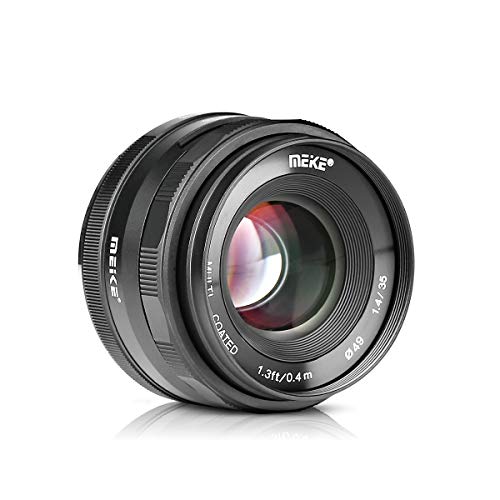
This Meike prime lens offers a fixed 35mm focal length with a bright F1.4 maximum aperture, optimized for close-up and portrait work on Micro Four Thirds cameras. The lens construction features five groups eight elements, delivering a compact yet capable option for micro-macro tasks. It supports a broad range of Olympus and Panasonic Micro Four Thirds bodies and enables a shallow depth of field and subject isolation that’s particularly useful for macro portraits of small subjects. The manual focus design provides tactile control, which many macro shooters prefer for precise focusing at high magnifications.
Ideal for photographers who want a dedicated macro-ready option that remains compact and affordable, this Meike lens is well-suited to close-up work, flower shots, and the fine detail capture that macro photography demands. Its moderate weight helps maintain balance with mirrorless bodies while delivering solid image quality across the frame when used at close distances.
Mcoplus EXT-M4/3-M 10mm 16mm Extension Tube
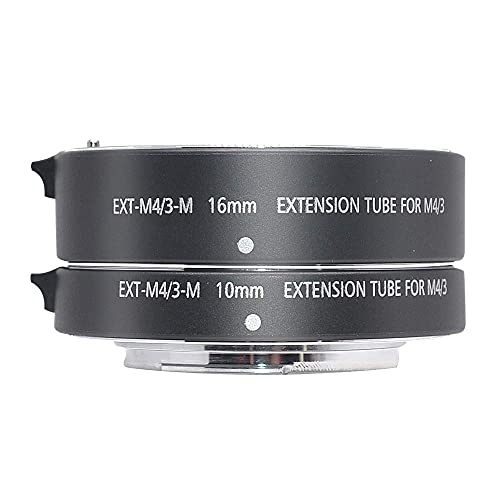
The Mcoplus dual-length extension tubes provide flexible macro magnification for Micro Four Thirds cameras. Each tube is lightweight (around 60g) and designed to work with Olympus and Panasonic Micro Four Thirds bodies. The kit supports three different magnification combinations, enabling photographers to choose the best working distance for a given subject. This option is particularly attractive for users who want to experiment with macro without committing to a dedicated macro lens. It pairs well with existing MFT lenses and can help you reach 1:1 or higher magnifications with minimal expense.
Practical macro work with extension tubes often emphasizes careful lighting and steady handling. With these tubes, you can maximize magnification without adding significant bulk, making them a solid addition to a travel or field kit where macro opportunities arise unexpectedly.
52mm To Micro 4/3 Macro Reverse Ring
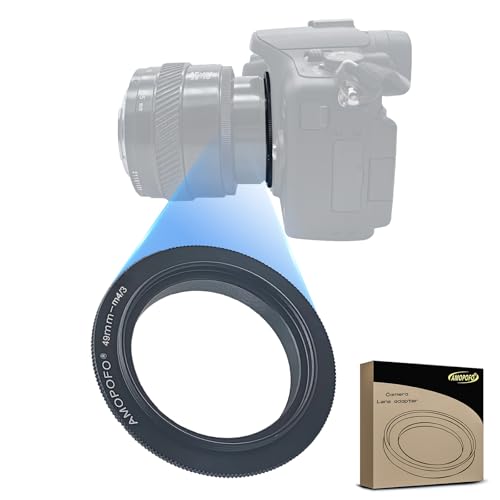
The 52mm to Micro 4/3 reverse ring is a compact method to achieve macro results by reversing a standard camera lens. After mounting the ring to the camera body, you attach a lens via its 52mm filter thread and reverse it for macro shooting. This technique creates high magnification with minimal equipment, letting you explore macro detail using lenses you already own. It does not add glass in front of the subject, instead reuses the existing optics in a reversed configuration to maximize close-up detail.
While highly affordable and portable, this approach requires manual focus and careful exposure control. It’s best used with prime lenses that have clean optical characteristics at close distances. The ring is compatible with Micro Four Thirds camera bodies and is a popular choice for shooters who want a budget-friendly entry into macro work or who want to experiment with reversed-lens technique.
Meike 35mm F1.7 Manual Focus Prime MFT Lens

This Meike 35mm F1.7 lens is a compact manual-focus option designed for Micro Four Thirds systems. It supports a wide aperture for indoor and low-light shooting, offering a fast maximum aperture suitable for shallow depth of field at close distances. The lens is designed for Olympus and Panasonic MFT bodies, extending the brand’s manual-focus options with a lightweight, portable form factor. While it requires manual focus for precise macro control, the bright F1.7 helps in achieving usable shutter speeds and tack-sharp macro captures in favorable light conditions.
With a practical focal length for close-up work, this Meike option serves as a versatile addition to a macro toolkit. It complements other macro accessories by providing a dedicated prime lens that can be paired with extension tubes or reversed-lens setups for enhanced magnification and detailed close-ups of small subjects.
Buying Guide
Macro Options On Micro Four Thirds
- Dedicated macro lenses deliver strong magnification with optimized optics but can be expensive. They excel at optical sharpness, close focusing, and working distance consistency.
- Extension tubes preserve the optical path of existing lenses while reducing minimum focusing distance. They’re affordable and versatile but may require more careful focusing, especially with manual focus modes.
- Reverse rings let you mount a lens backward for high magnification. This approach is highly budget-friendly and can yield dramatic macro results, but it often involves manual controls and subject-specific considerations.
Autofocus vs Manual Focus
- Autofocus-enabled macro gear is convenient for moving subjects or field work, but many macro shots benefit from manual focus for precision at high magnifications.
- Extension tubes and reverse rings typically rely on manual focusing, making steady technique and good lighting essential for sharp results.
Magnification, Working Distance, and Image Quality
- Higher magnification generally reduces working distance. If you shoot delicate subjects (insects, small flowers) consider tubes or rings that offer a balance between magnification and workable distance.
- Optical quality matters. Dedicated macro lenses are optimized for close distances, whereas adapters and tubes retain the base lens’ quality but require careful lighting adjustments.
Compatibility and Build Quality
- Ensure compatibility with your Micro Four Thirds body (Olympus, Panasonic, or OM System variants). Build materials affect durability for field use—aluminum and brass interfaces tend to offer longevity.
- Consider weight and balance. Extension tubes add minimal bulk but can shift the camera’s center of gravity; a compact lens and proper grip help maintain control.
Budget Considerations and Practical Guidance
- For beginners, starting with extension tubes or a reverse ring paired with an existing lens can unlock macro potential without a large upfront investment.
- If you frequently shoot macro subjects with fast detail, a dedicated macro lens (like prime options) can offer superior sharpness and easier manual focus at high magnification.
- Plan for lighting. Macro work often benefits from external lighting, ring flashes, or diffusers to reduce shadows and bring out fine texture in close-up subjects.
In practice, your choice depends on how you shoot. If you value portability and a low-cost path into macro, extension tubes and reverse rings are compelling. If you want maximum image quality and consistent performance, a dedicated macro lens with good glass and close-focusing performance is a stronger long-term investment. For flexible experimentation, combine a few options—such as a lightweight prime for ordinary photography and an extension tube set for special macro projects.