Choosing a high-quality camera requires weighing sensor performance, lens ecosystem, and workflow compatibility. This guide highlights five top options that cover professional photography, video, and advanced accessories, helping you compare stills quality, autofocus, and durability across different use cases—from cinematic drone capture to desk-based document imaging and rugged memory needs.
| Product | Why It Fits High-Quality Cameras |
|---|---|
| DJI Mavic 3 Pro Cine Drone | Premium Hasselblad main camera, 4/3 sensor, RAW capability, cine-grade workflow |
| Canon EOS 4000D DSLR Kit | Entry-level but solid APS-C system with interchangeable lenses and full HD video |
| IPEVO V4K Document Camera | High-definition, fast focus, ideal for live demos and teaching setups |
| SanDisk 128GB High Endurance Card | Designed for long recording sessions, reliable high-endurance storage |
| Newks 95mm UV Filter Kit | Protective, multi-coated filters to preserve image quality and lens health |
The following sections profile five relevant products, each with a concise overview of what makes it a solid choice for professional use. The emphasis is on documented capabilities and how they apply to real-world shooting scenarios, rather than price or marketing claims.
DJI Mavic 3 Pro Cine Drone

The Mavic 3 Pro Cine integrates a Hasselblad 4/3 CMOS main camera with a 24mm equivalent field of view and an f/2.8-f/11 aperture range, delivering up to 20 MP stills and high-quality video in RAW formats. The camera supports a dynamic range up to 12.8 stops, enabling rich shadows and highlights for post-production grading. It is FAA Remote ID compliant, which aligns with regulatory requirements for drone workflows. Navigation relies on omnidirectional obstacle sensing and APAS 5.0, supported by eight vision sensors for safer flight during complex shoots.
IPEVO V4K Document Camera
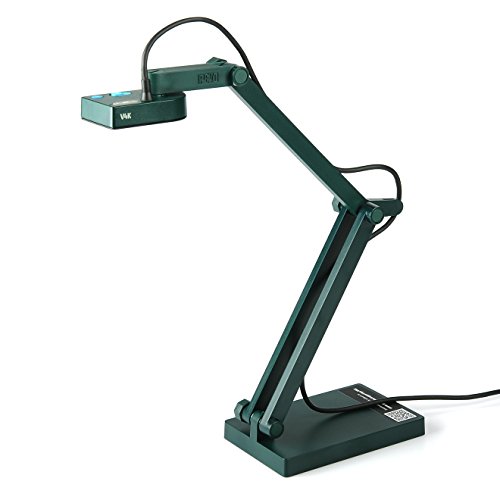
The IPEVO V4K Ultra High Definition camera offers an 8-megapixel sensor with native resolution up to 3264 x 2448. It supports high frame rates for smooth live streaming—up to 30 fps at full HD and up to 15 fps at the highest resolution. A Sony CMOS sensor underpins strong color reproduction and noise handling, which is beneficial in varied lighting. The fast focusing system helps transitions between materials during live demonstrations, making it a practical tool for classrooms, webinars, and remote teaching environments where clarity matters.
SanDisk 128GB High Endurance Card

This high-endurance microSDXC card is designed to handle long recording sessions without data loss, making it suitable for dash cams, home monitoring systems, and continuous video capture. It is built to sustain extended write cycles, which helps reduce the risk of corruption during extended shoots. The card’s performance profile supports 4K UHD recording where supported and provides reliability for professionals who require durable storage for demanding camera workflows, particularly in continuous or surveillance-like use cases.
Newks 95mm UV Filter Kit

The Newks 95mm UV Filter Kit includes protective UV filters with 16 layers of nano coatings and a high transmittance rate, reducing haze and maintaining accurate color rendition. The aluminum-magnesium frame offers durability while keeping reflections low due to a matte black anodized finish. The filters are slim to minimize vignetting on wide-angle and telephoto lenses, and their thin profile helps preserve the full field of view when stacked or mounted in tight setups—a practical accessory for anyone seeking lens protection without image quality compromises.
Canon EOS 4000D DSLR Kit
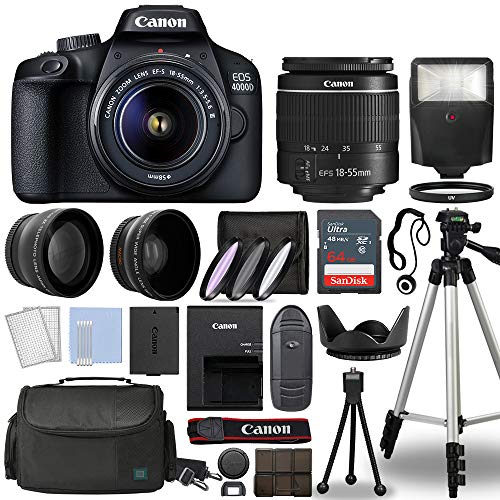
The Canon EOS 4000D is an APS-C DSLR that combines a capable 18-megapixel sensor with a DIGIC 4+ image processor for reliable color and detail. The kit typically includes an 18-55mm lens to cover broad to moderate telephoto ranges, making it suitable for entry-to-intermediate photographers seeking a flexible system. Full HD 1080p video, a 9-point AF system, and extended ISO up to 12800 provide essential performance for everyday shoots and learning environments. The camera’s ability to shoot at up to 3 frames per second supports stills capture of fast action with practical simplicity.
Buying Guide
When selecting a high-quality camera system, consider how you intend to use it and which features will deliver the most value over time. The following factors cover major purchase considerations and help you compare across different types of cameras presented above.
- Intended use: Decide whether you need a stills-focused body, a video-centric setup, or a hybrid approach. A drone like the Mavic 3 Pro Cine emphasizes cinematic capture and flexibility in aerial contexts, while a DSLR like the Canon EOS 4000D caters to traditional photography and learning environments.
- Sensor size and image quality: Larger sensors generally offer better dynamic range and low-light performance. The DJI drone uses a 4/3 sensor for high-quality stills and video, whereas the Canon uses an APS-C sensor for broader lenses and system flexibility. For document capture, the IPEVO V4K emphasizes high resolution and fast focus for clarity rather than raw photographic performance.
- Video capabilities and codecs: If you require RAW or ProRes, verify the supported formats and post-production workflow. Drone cameras often support RAW-like outputs; dedicated video cameras and camcorders may provide professional codecs directly on device.
- Lenses and accessories: A complete system with available lenses, filters, and memory cards expands future capabilities. The Newks UV Filter Kit protects lenses and maintains image quality; SanDisk endurance cards support long shoots and reliability in demanding conditions.
- Memory, storage, and durability: High-endurance storage is essential for dash cams and extended shoots. Filter quality and build materials influence long-term durability in challenging environments.
- Regulatory and safety considerations: For drones, ensure compliance with local regulations (Remote ID, flight restrictions) to avoid obstacles in professional workflows. The Mavic 3 Pro Cine’s Remote ID compliance is relevant for operational contexts where legal approval matters.
- Budget and upgrade path: Plan for future upgrades, including additional lenses, filters, or storage. A modular system like Canon’s DSLR line can persist longer with new lenses, while drones and document cameras emphasize built-in capabilities.
- Portability vs. capability: If you require travel-friendly gear, the drone provides portability and stabilization; for studio or classroom environments, a document camera and reliable storage become practical complements to a traditional camera kit.
Across these choices, the most suitable option depends on whether your priority lies in aerial photography, traditional stills, document capture, or reliable storage and protection for your data. Each product offers a distinct balance of image quality, workflow compatibility, and durability, enabling a professional setup tailored to your shooting style. Always pair a main camera with certified accessories to maximise longevity and performance in the field.