Choosing the right gimbal for a point-and-shoot camera means balancing weight, stability, and ease of use. The five models below represent compact options that deliver smooth video without bulk. Each model supports native vertical shooting, quick setup, and reliable stabilization, making them suitable for travel, street shooting, events, and social media content. The table below highlights key specs to help compare payload, weight, and notable strengths at a glance.
| Product | Brand | Payload (kg) | Weight (approx, kg) | Notable Strength |
|---|---|---|---|---|
| DJI RS 3 Mini | DJI | 2.0 | 0.795 | Ultra-compact, travel-ready |
| DJI RS 4 Mini | DJI | 2.0 | ≈0.9 | Efficient vertical shooting |
| DJI RS 4 Combo | DJI | 2.0 | ≈1.1 | Versatile, robust controls |
| ZHIYUN Cinepeer Weebill 3E | ZHIYUN | 3.0 | ≈1.0 | Native vertical shooting, Bluetooth shutter |
| FeiyuTech SCORP Mini 2 | FeiyuTech | 1.2 | Not specified | AI tracking, compact display |
DJI RS 3 Mini Gimbal
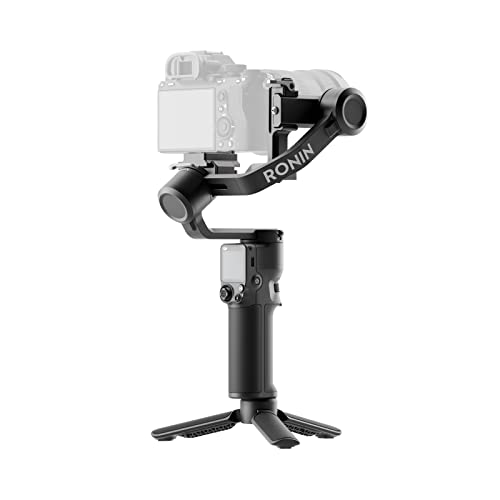
The DJI RS 3 Mini is an ultra-lightweight 3-axis stabilizer designed for compact cameras and mirrorless bodies. Weighing just 795 g, it carries a load up to 2 kg, which covers many point-and-shoot setups with small lenses. Its high-torque motors provide steady performance across a wide range of shooting scenarios, from moving through crowds to tracking action. A Bluetooth shutter control feature reconnects automatically after pairing, letting you start and stop recording or snap photos without reaching for the camera. The combination of portability and capability makes it a strong pick for travelers and hobbyists seeking smooth footage without fatigue.
In practice, RS 3 Mini excels in casual shoots, promos, and vlogs where quick setup matters. Its compact form helps keep your rig unobtrusive while still delivering stabilized footage. The gimbal’s lightweight design reduces wrist strain during long shooting sessions, and its compatibility with many camera brands broadens its usefulness for mixed workflows. For point-and-shoot users who value ease of use and reliable stabilization in a small package, the RS 3 Mini stands out as a top option.
NEEWER GM102 Gimbal Head

The NEEWER GM102 is a 3-axis gimbal head designed for tripods and monopods, offering a robust platform for DSLRs and telephoto lenses up to 15 kg. While not a handheld gimbal, it is highly relevant for point-and-shoot workflows that include longer lenses or wildlife shoots where stability matters. Its 360° pan and vertical/horizontal rotation enable precise framing, while a built-in spirit level helps ensure a level setup. This option is best suited for static or slow-moving scenes where a tripod-based stabilizer can maximize image quality in a compact form factor.
With its metal construction and secure locking system, the GM102 provides dependable balance and repeatable setups. If your point-and-shoot usage includes heavier cameras or long glass, this gimbal head can be a practical companion on a sturdy tripod. However, it is less portable than compact handheld gimbals and is best used where tripod support is available for extended shoots.
DJI RS 4 Combo Gimbal Stabilizer

The DJI RS 4 Combo builds on the company’s stabilization framework with a 3-axis gimbal that supports a wide range of DSLR and mirrorless cameras up to 2 kg. It introduces a native vertical shooting option via a quick-release plate, allowing fast changes from horizontal to vertical orientation without extra accessories. A joystick-mode switch enables rapid toggling between preset shooting profiles, streamlining setup for dynamic scenes. The RS 4 Combo also features smoother balancing thanks to refined axis components, making it well-suited for action, events, and social-media-friendly clips where reliability matters.
Practically, this model suits shooters who want robust stabilization with straightforward vertical capability. If you frequently switch between landscape and portrait formats or shoot in fast-paced environments, the RS 4 Combo’s intuitive controls and dependable balance can save time and reduce fatigue while delivering smooth footage with minimal post-processing.
ZHIYUN Cinepeer Weebill 3E

The Weebill 3E from ZHIYUN is a versatile 3-axis stabilizer aimed at both DSLR and mirrorless cameras, with a maximum payload around 3 kg. It emphasizes native vertical shooting—mount the quick-release plate on the vertical arm to switch to portrait mode without disassembling the rig. The 3E model also offers Bluetooth shutter control for wireless camera operation, reducing the need for cables during runs-and-guns. The included notes remind buyers to verify cable compatibility with their specific camera brands, which can impact full connectivity for some systems.
Weebill 3E’s strengths lie in its compact form for the payload it supports and its emphasis on ergonomic handling. For point-and-shoot users who may upgrade to a larger mirrorless body, this gimbal provides a smooth transition path with a design aimed at reducing fatigue during prolonged shoots. The device is well-suited for vloggers, travel creators, and event coverage where vertical social-media content is a key output.
ZHIYUN Cinepeer Weebill 3E

The Weebill 3E differs slightly from the earlier 3E variant, delivering a similar three-axis stabilization with a leaner build and a slightly different control layout. It is designed to handle up to 3 kg of payload, and its native vertical shooting capability means creators can quickly adapt to portrait formats for social media while maintaining a compact footprint. Bluetooth shutter control further simplifies remote operation, helping to keep the camera ready for moments that demand quick action, such as street performances or spontaneous interviews.
For buyers evaluating stabilization efficiency versus versatility, the Weebill 3E represents a balance between weight, payload, and vertical shooting ease. Users who want a dependable, foldable setup that travels well and supports vertical content will find this model a compelling option among high-value gimbals in the mid-range category.
FeiyuTech SCORP Mini 2

The FeiyuTech SCORP Mini 2 is a compact 3-axis gimbal with a focus on small camera bodies and handheld versatility. It supports a maximum payload of about 1.2 kg (2.65 lb) and includes an AI-driven tracking feature to help keep subjects framed as you move. The SCORP Mini 2 also features an upgraded quick-release system and a built-in OLED screen (1.3 inches) for direct control feedback and shooting mode selection. This combination of tracking and compact design makes it a practical option for run-and-gun filming, street content, and situations where minimal setup time is essential.
Because of its slim profile and intelligent features, the SCORP Mini 2 appeals to creators who prioritize portability and fast setup. It may lack some of the higher-end stabilization refinements found in larger pro gimbals, but its balance of weight, control, and tracking capability makes it a strong candidate for point-and-shoot use with lighter mirrorless or compact cameras.
Buying Guide
When choosing a gimbal for a point-and-shoot camera, consider how you plan to shoot most often. If you travel light and shoot on the move, a compact option with strong stabilization and easy setup, such as the RS 3 Mini or RS 4 Mini, can maximize mobility without sacrificing footage quality. For creators who frequently switch between horizontal and vertical video, models offering native vertical shooting and quick orientation changes, like the RS 4 Mini, Weebill 3E, or SCORP Mini 2, are particularly valuable.
Key purchase considerations include payload capacity, which must exceed your camera plus lens weight; ease of setup and quick-lock mechanisms to save time in dynamic environments; and balance stability across panning and tilting motions. Battery life and charging options determine how long you can shoot on location without recharging. Compatibility with your camera brands and models—plus the availability of control cables or Bluetooth shutter control—affects how seamlessly the gimbal integrates with your existing gear.
Portability versus performance is a core trade-off. The RS 3 Mini prioritizes ultra-light travel readiness, while the RS 4 Combo and Weebill 3E aim for higher payloads and broader feature sets at the cost of added bulk. AI tracking, smart modes, and app integrations can reduce post-production time but may add a learning curve. Assess your typical shooting scenarios—street photography, travel vlogs, events, or wildlife tracking—and choose the model that best aligns with those needs, while keeping in mind future camera upgrades.
In summary, for point-and-shoot setups, a gimbal that combines light weight, reliable vertical shooting, and quick setup is often the most practical choice. The DJI RS 3 Mini and RS 4 Mini represent excellent travel-friendly options, while the RS 4 Combo, Weebill 3E, and SCORP Mini 2 offer enhanced flexibility for more varied shooting styles. Your final decision should balance payload needs, portability, and the level of convenience you require during on-location shoots.