Choosing the right gimbal for a mirrorless camera can dramatically improve stability, movement, and production value. This guide highlights five top options from trusted brands, focusing on payload, balance, vertical shooting, and travel-friendly design. The list covers popular mirrorless setups from Canon, Sony, Panasonic, Nikon, and Fujifilm, along with practical shooting modes for vlogging, events, and storytelling. Use the buying guide at the end to compare strengths and determine which model best fits your kit and shooting style.
| Product | Brand | Notable Feature |
|---|---|---|
| DJI RS 3 Mini | DJI | Ultra-compact with robust 2 kg payload and vertical shooting |
| ZHIYUN Cinepeer Weebill 3E | ZHIYUN | Native vertical shooting; portable and capable |
| Zhiyun Weebill S | ZHIYUN | Ergonomic sling mode; broad camera compatibility |
| FeiyuTech SCORP-C | FeiyuTech | 3-axis with 5.5 lbs payload; Arca plate |
| DJI RS 4 | DJI | 2nd-gen vertical shooting; advanced control modes |
DJI RS 3 Mini: Compact 3-Axis Gimbal
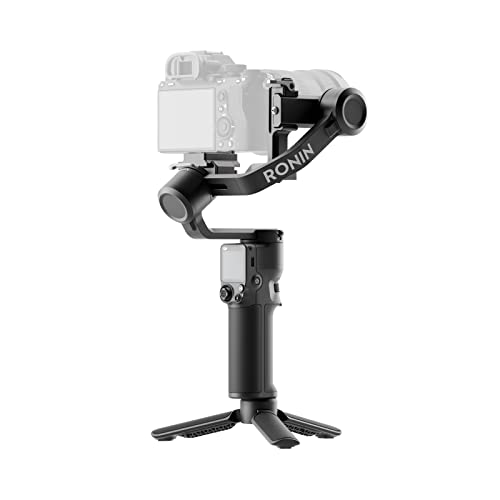
The DJI RS 3 Mini is built for travelers and creators who need stable footage without carrying a heavy rig. Weighing just 795 g (1.75 lb), it pairs a compact body with a tested payload up to 2 kg (4.4 lb), enabling a wide range of mirrorless cameras and lightweight lenses. Its reduced footprint helps with long shoots, crowded event spaces, and run-and-gun filming while preserving smooth motion across pan, tilt, and roll axes. The RS 3 Mini also supports native vertical shooting, allowing portrait-oriented content without swapping plates or mounting adapters.
Bluetooth shutter control provides hands-free photo capture and quick re-pairing after initial setup, simplifying workflows when you’re switching between stills and video. The high-torque motors maintain stable framing during walking or light jogging, delivering fluid movements even in dynamic scenes. For creators seeking a travel-friendly gimbal that does not compromise stabilization, the RS 3 Mini offers a compelling balance of portability and performance.
ZHIYUN Cinepeer Weebill 3E Gimbal

The Weebill 3E from ZHIYUN is a lightweight, 3-axis stabilizer designed for DSLR and mirrorless cameras, balancing portability with substantial payload capability. It weighs about 1.05 kg and can support up to 3 kg (6.6 lbs) of gear, making it suitable for mid-sized cameras and compact lenses. Its compact dimensions and ergonomic grip help reduce fatigue during extended shoots, while the A4-size form-factor makes it a convenient option for travel and on-the-go productions.
A standout feature is native vertical shooting: mount the quick-release plate to the vertical arm, enabling portrait-mode content without dismantling the gimbal. A compatibility note warns that the WB3E package includes only the Panasonic control cable; Canon and Sony cameras may require additional control cables to enable camera control. This reality highlights the importance of planning for brand-specific cabling when assembling a multi-brand rig. The 3E emphasizes comfort, quick setup, and flexible usage for social media, events, and street filmmaking.
With an advanced stabilization system and a design focus on reducing fatigue, the Weebill 3E is well-suited for creators who frequently switch between handheld, tripod, and monopod setups, while maintaining smooth motion throughout diverse shooting scenarios.
Zhiyun Weebill S Gimbal Stabilizer
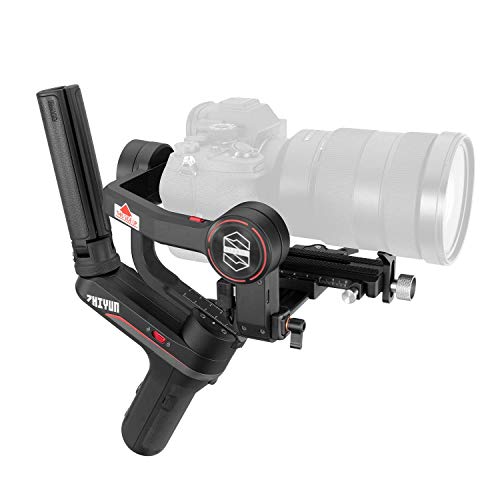
The Weebill S remains popular for its compact footprint and versatile camera support. It is designed to work with mainstream mirrorless and DSLR camera bodies and lens combos, including models from Sony, Canon, Nikon, and Fujifilm families. The sling-style design distributes weight for comfortable, extended shooting sessions, while keeping the gimbal easy to maneuver in tight spaces. The Weebill S is favored by creators who need agility for run-and-gun shoots, events, and social media content.
An integrated control system and responsive stabilization algorithm provide smoother footage during rapid movements, with smooth tracking that helps maintain subject lock without abrupt jerks. The device’s balance and quick setup are particularly appealing to videographers who prioritize practical, all-day usability alongside solid performance across a range of camera configurations.
FeiyuTech SCORP-C Gimbal

FeiyuTech’s SCORP-C provides a robust 3-axis gimbal with a 5.5 lbs payload rating, making it compatible with a wide array of mirrorless and DSLR configurations. Its integrated hanging handle supports upright or underslung shooting, giving filmmakers more ergonomic options for different angles and setups. The SCORP-C includes features like three-axis motor locks, five-way center-of-gravity adjustment, and a center-of-gravity memory slider, plus an Arca Quick Release Plate for fast transitions between rigs. The design emphasizes portability without sacrificing balance and control across dynamic shots.
Ease of installation and leveling is a core focus, enabling quick setup in field environments. The SCORP-C is a strong choice for creators who want a versatile stabilizer capable of supporting diverse camera-lens combinations, while maintaining a compact and practical form factor for on-location shoots.
DJI RS 4 Gimbal Stabilizer

The DJI RS 4 builds on the RS line with a focus on professional versatility and easier vertical shooting. It features 2nd-Gen Native Vertical Shooting, enabling quick transitions to portrait mode without adapters. The gimbal also includes a Joystick Mode Switch to toggle between PF, PTF, and FPV modes, ensuring precise control for different shooting styles. The axis arms use a Teflon coating for smoother balancing and reduced wear, helping maintain stability during extended shoots and challenging movements.
Designed for a broad range of DSLR and mirrorless cameras from Canon, Sony, Panasonic, Nikon, Fujifilm, and more, the RS 4 is well-suited for creators who need reliable stabilization across a variety of rigs. Its balance, control granularity, and vertical shooting capabilities make it a strong option for travel, documentary work, and studio setups where fluid, cinematic motion matters.
Buying Guide
When choosing a gimbal for a mirrorless camera, consider five core factors: payload, balance, portability, vertical shooting capability, and control features. Understanding how these interact with your gear helps you select a model that not only fits today’s kit but also scales with your evolving needs.
- Payload and camera compatibility: Check the maximum payload rating and ensure your camera body plus lens is within range. A higher payload provides headroom for longer telephotos or heavier lenses, but it also adds weight.
- Balance and ergonomics: A well-balanced gimbal reduces fatigue during long shoots. Look for features such as sling-style handles, compact footprints for travel, and weight distribution that minimizes wrist strain.
- Vertical shooting capability: Built-in vertical modes save time for portrait-oriented content. Some models switch to vertical with a simple plate change; others require dedicated arms or cables for seamless vertical capture.
- Control features and connectivity: Assess shutter control, Bluetooth or cable connections, and compatibility with your camera brands. Some models require additional cables for Canon and Sony control, so factor in potential accessory costs and setup steps.
- Battery life and charging: Consider run times for typical shoots and ease of recharging on location. Longer batteries are beneficial for fieldwork, but you may trade some weight for extended life.
For travelers and videographers who need a balance of portability and performance, the DJI RS 3 Mini and RS 4 offer strong vertical shooting and solid stabilization in compact packages. If your work involves heavier mirrorless rigs or mid-sized bodies, the Weebill 3E provides substantial payload capacity with native vertical shooting. The Weebill S and FeiyuTech SCORP-C deliver ergonomic designs and versatile mounting options suitable for social media creators, documentary crews, and on-the-go shoots. Finally, consider a gimbal’s ecosystem and available accessories to maximize longevity and compatibility with your existing kit.