Choosing a gimbal for a DSLR involves balancing payload capacity, compatibility, and ease of use. The following five models cover a range of needs—from ultralight travel rigs to pro-grade stabilizers with advanced control options. Each option below is evaluated for compatibility with Canon, Sony, Panasonic, Nikon, and Fujifilm systems, and highlighted for how it can improve stills, video, and social media content. Use the buying guide at the end to compare key considerations and pick the right stabilizer for your workflow.
| Product | Brand | Max Payload | Notable Feature |
|---|---|---|---|
| DJI RS 3 Mini | DJI | Up to 2 kg (4.4 lbs) | Ultra-lightweight with Bluetooth shutter control |
| DJI RS 4 | DJI | Up to 2 kg | Second-gen vertical shooting and versatile modes |
| ZHIYUN Cinepeer Weebill 3E | ZHIYUN | Up to 3 kg (6.6 lbs) | Official vertical shooting; compact A4-sized design |
| Zhiyun Weebill S | ZHIYUN | Typically around 2–3 kg (varies by camera) | Sling mode; high responsiveness with advanced stabilization |
| FeiyuTech SCORP-C | FeiyuTech | Up to 5.5 lbs (2.5 kg) | Integrated handle; compact built-in design |
DJI RS 3 Mini: Lightweight 3‑Axis Gimbal
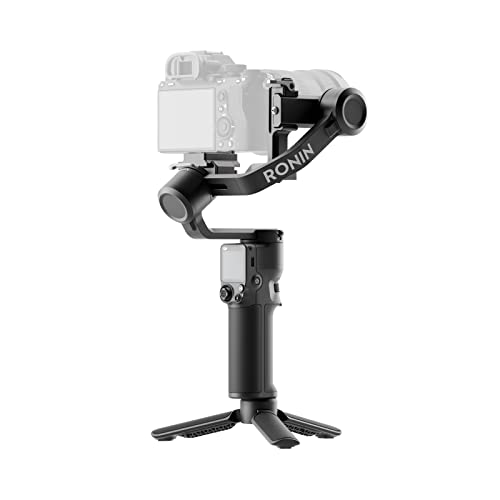
The RS 3 Mini is designed for travel and versatile camera setups. Weighing only 795 g (1.75 lbs), this ultra-compact gimbal stabilizer is easy to hold for extended shooting sessions. Its high-torque motors support a load of up to 2 kg (4.4 lbs), allowing a wide range of camera and lens combinations without sacrificing balance. This model also features Bluetooth shutter control, enabling seamless photo capture and video recording with quick, cable-free operation. Its lightweight design makes it ideal for documentary work, run-and-gun filming, and handheld b-roll where every gram matters.
Key specifications and strengths include:
- Very light frame suitable for travel and run-and-gun shoots
- Compatibility with Canon, Sony, Panasonic, Nikon, and Fujifilm systems via strong motors
- Bluetooth shutter control for wireless camera operation
- Efficient stabilization across a range of common DSLR setups
In practice, the RS 3 Mini shines for vloggers and travelers who need a stabilized solution without the burden of heavier rigs. The combination of compact size and solid 2 kg payload makes it a flexible option for mid-range lenses and compact mirrorless bodies that pair with DSLR-level capabilities.
DJI RS 4: 3‑Axis Gimbal For DSLR And Mirrorless Cameras

The RS 4 is a robust, second-generation stabilizer designed for broader camera systems and more demanding shoots. It introduces a native vertical shooting option that lets creators switch to vertical framing without extra accessories, streamlining social-media workflows. A dedicated joystick mode switch enables quick toggling between PF, PTF, and FPV modes, giving precise control over gimbal movement and framing. The RS 4 also incorporates teflon-coated axis arms to reduce friction, delivering smoother balancing and steadier pans across a variety of camera/lens configurations.
Highlights from the RS 4 include:
- 2nd-Gen Native Vertical Shooting for effortless vertical content
- Joystick mode switch to control camera and zoom with precision
- Teflon-coated axis arms for smoother balancing and less friction
With a payload capable of supporting typical DSLR and mirrorless kits, the RS 4 offers a balanced blend of strength and agility. It is well-suited to wedding videography, documentary work, and event coverage where quick mode changes and reliable stabilization are essential.
ZHIYUN Cinepeer Weebill 3E: 3‑Axis Lightweight Gimbal Stabilizer

The Cinepeer Weebill 3E balances three-axis stabilization with a compact, travel-friendly design. It supports a maximum tested payload of up to 3 kg (6.6 lbs) while weighing just about 1.05 kg, delivering a portable option that can handle a wide array of DSLR and mirrorless bodies and lenses. Its vertical shooting setup is especially convenient: mount the quick-release plate to the vertical arm to transition to vertical filming without adding extra accessories. This model’s form factor—roughly the size of an A4 sheet—makes it particularly appealing for content creators who need a stable partner on the go.
Important notes from the official specs:
- Native vertical shooting for social-friendly content
- Portable, compact design with ergonomic handling
- Compatibility with Canon, Sony, Panasonic, Nikon, and Fujifilm systems when using appropriate cables
For filmmakers prioritizing a lightweight build with substantial payload, the Cinepeer Weebill 3E provides a compelling blend of mobility and capacity, especially for those who frequently shoot vertical video and social media clips.
Zhiyun Weebill S: Official 3‑Axis Gimbal For Mirrorless And DSLR Cameras
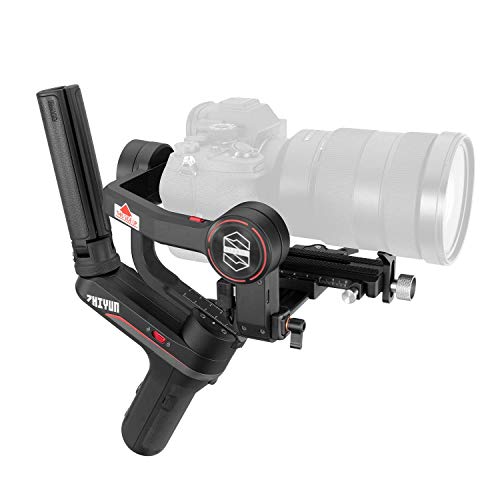
The Weebill S is a compact, 3-axis gimbal designed for a broad range of mirrorless and DSLR cameras. It emphasizes a sling-style form for efficient underslung shooting and features an 8th-generation stabilization algorithm that enhances responsiveness and minimizes jitter during fast movement. The sling mode is particularly attractive for handheld operators who want to reduce fatigue during long shoots, while the overall design supports a stable hold for extended periods. The Weebill S is compatible with a wide variety of camera bodies, provided the user has the appropriate cables for camera control.
Key takeaways include:
- Sling-mode design for comfortable underslung shooting
- 8th generation stabilization algorithms for smoother motion
- Broad compatibility with major camera brands via supported cables
In practice, this model suits documentary shooters, event videographers, and YouTubers who value a portable build with strong stabilization and versatile shooting modes, all in a compact footprint.
FeiyuTech SCORP-C Gimbal Stabilizer: 3‑Axis Stabilizer For DSLR And Mirrorless

The FeiyuTech SCORP-C represents an upgraded compact stabilizer designed for mainstream DSLR and mirrorless setups. It supports a payload of up to 5.5 lbs (2.5 kg), offering a strong option for mid-range camera/lens kits. The SCORP-C integrates a hanging handle and an ergonomic design that reduces fatigue during extended shoots. Features like a three-axis setup, three-axis motor locks, and a five-way center-of-gravity memory slider facilitate quick balancing and stable performance across a variety of configurations. A built-in quick-release tracking system simplifies switching between shooting modes and angles.
Highlights include:
- Integrated handle grip for comfortable use
- Three-axis stabilization with solid mechanical design
- Flexible CG memory and quick-release plate for fast setups
For creators who want a capable, lower-profile stabilizer with substantial payload, the SCORP-C provides a robust option without sacrificing portability or ease of use.
Buying Guide: Key Considerations When Choosing a DSLR Gimbal
Payload and Camera Compatibility
Start by matching the gimbal’s maximum payload to your camera body and lens kit. Running payloads close to the limit can reduce performance and stability. Consider future-proofing by choosing a model that can handle incremental lens upgrades, such as longer zooms or heavier prime lenses. Check the recommended compatibility list and ensure you have the necessary control cables if your camera brand requires them for remote operation.
Vertical Shooting and Quick Transitions
Vertical shooting capabilities are increasingly important for social media content. Some models offer native vertical modes that switch between landscape and portrait without extra rigs, while others require accessory changes. If you publish frequently on platforms like Instagram Reels or TikTok, prioritize gimbals with built-in vertical modes and easy switch mechanisms. Also assess how each gimbal handles quick transitions between modes, as this affects your shooting workflow.
Weight, Portability, and Travel Readiness
Lightweight gimbals are ideal for on-the-go shoots, but ensure they don’t compromise stability or build quality. A compact form factor facilitates longer single-camera runs and easier transport. If you travel often, consider models with convenient balance points, ergonomic grips, and battery life that supports longer shooting days without frequent recharging.
Control Interfaces and Connectivity
Modern gimbals offer a range of controls, including joystick, mode switches, and Bluetooth or app connectivity. Consider how you prefer to control camera settings, focus, and zoom. Some models provide Bluetooth shutter control or integrated joystick controls, which can streamline your workflow. Verify whether your camera brand requires specific cables or adapters for full feature compatibility.
Reliability, Support, and Total Cost of Ownership
Stability matters most in challenging shooting environments. Review build quality, motor torque, and balance consistency under dynamic motion. Consider after-sales support, accessory availability, and warranty terms. While price is a factor, weigh it against payload, stabilization performance, and future-proofing capabilities. A slightly higher upfront investment may yield longer usable life and better return on investment for serious creators.
In summary, the best choice depends on your typical gear, travel needs, and content style. For ultra-light travel and social/video work, a compact gimbal with solid payload may be ideal. For more demanding DSLR kits, a higher-payload option with robust motors and versatile shooting modes offers greater flexibility. Use the buying guide to compare the five models above and identify which combination of weight, stability, and feature set best suits your production workflow.