Full-frame cameras deliver exceptional image quality, broader dynamic range, and impressive low-light performance. This guide focuses on five top choices from Canon and Sony that cater to travelers, event shooters, and enthusiasts who want reliable, high-quality results. While the lineup includes classic DSLRs, it also highlights modern full-frame options to illustrate how the market has evolved. Use this overview to compare sensor performance, autofocus capabilities, and handling before selecting your primary body for weddings, portraits, landscapes, or documentary work.
| Product | Type | Sensor | Notes |
|---|---|---|---|
| Canon EOS 5D Mark IV DSLR | DSLR | Full-Frame 30.4 MP | 61-point AF, 7 fps |
| Canon EOS 6D Mark II DSLR | DSLR | Full-Frame 26.2 MP | Wi-Fi, Dual Pixel AF |
| Canon EOS 5D Mark III DSLR | DSLR | Full-Frame 22.3 MP | 61-point AF, 14-bit RAW |
| Canon EOS 5D Mark II DSLR | DSLR | Full-Frame 21.1 MP | Live View, 14-bit A/D |
| Sony a7 III Mirrorless | Mirrorless | Full-Frame 24.2 MP | BSI sensor, 10fps |
Canon EOS 5D Mark IV DSLR Kit
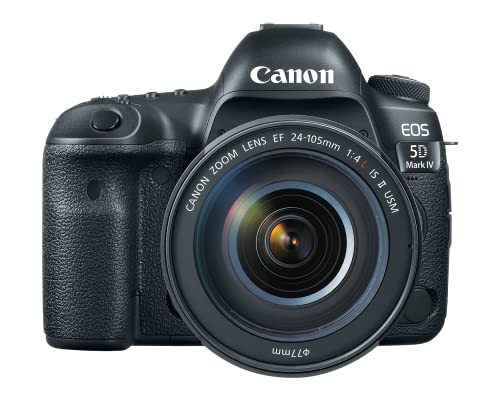
The Canon EOS 5D Mark IV DSLR Kit combines high-resolution stills with proven reliability in a robust body. It’s built around a 30.4 MP full-frame CMOS sensor designed for versatile shooting, with a 3:2 aspect ratio that remains a standard for many professionals. The camera delivers up to 7 frames per second for action and event work, making it a solid choice for weddings, portraits, and photojournalism. The included EF 24-105mm f/4L IS II USM lens adds flexibility right out of the box, offering a versatile zoom range for landscapes, street, and travel photography.
- 30.4 MP full-frame CMOS sensor
- 7.0 fps continuous shooting
- 61-point AF system with 41 cross-points
- EF 24-105mm f/4L IS II USM kit lens
In addition to image quality, the 5D Mark IV emphasizes color accuracy and detail retention across ISO ranges. It supports high-quality RAW files and reliable autofocus performance in both stills and video workflows. For photographers who want a mature, feature-rich DSLR with a long legacy of service, this kit remains a compelling option in the full-frame market.
Canon EOS 6D Mark II DSLR Body
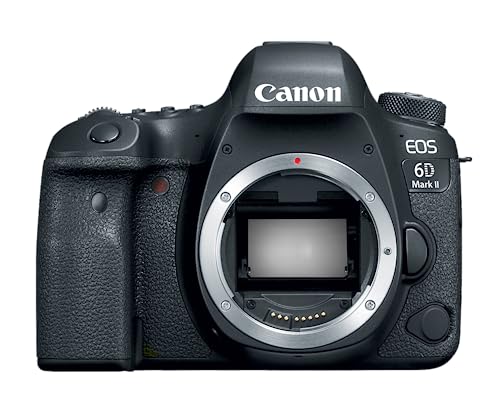
The Canon EOS 6D Mark II focuses on a balance between image quality and portability, delivering a 26.2 MP full-frame sensor within a compact DSLR body. It supports built-in Wi-Fi for easy sharing and remote control, making it a versatile option for travel and documentary work. The camera’s 45-point cross-type AF system helps with tracking in various lighting conditions, while Dual Pixel CMOS AF with phase detection improves live-view focusing for video and stills. If you need a weather-resistant body with a strong control layout, the 6D Mark II offers an appealing blend of features.
- 26.2 MP full-frame CMOS sensor
- 45-point cross-type AF system
- Dual Pixel CMOS AF with phase detection
- Built-in Wi-Fi
This model appeals to enthusiasts who want a more compact full-frame solution without stepping up to newer mirrorless systems. It remains a capable option for landscapes, portraits, and street photography, especially when paired with Canon’s EF lenses.
Canon EOS 5D Mark III DSLR Body

The Canon EOS 5D Mark III DSLR Body represents a proven generation known for reliability in professional assignments. With a 22.3 MP full-frame CMOS sensor, it supports extensive dynamic range and strong low-light performance. The 61-point AF system helps with precise focusing in challenging scenes, and the camera’s 14-bit RAW workflow provides ample latitude for post-processing. While older than the Mark IV, it remains a solid choice for photographers who value proven optics and a familiar control layout for long-running Canon lens ecosystems.
- 22.3 MP full-frame CMOS sensor
- 61-point AF
- 14-bit RAW processing
- Durable build with a classic DSLR interface
Canon EOS 5D Mark II DSLR Body
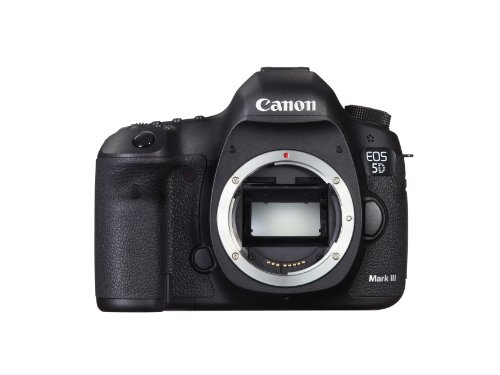
The Canon EOS 5D Mark II reflects an era where photographers prioritized full-frame image quality with a robust, film-like tonal range. Its 21.1 MP full-frame CMOS sensor and 14-bit A/D conversion deliver rich color and broad latitude. This model is body-only, with lenses sold separately, and remains relevant for shooters who value a lightweight, budget-conscious entry into full-frame work or who want to experiment with vintage glass on a modern sensor. The combination of Live View and a straightforward control layout makes it accessible for enthusiasts exploring full-frame aesthetics.
- 21.1 MP full-frame CMOS sensor
- Live View Function
- 14-bit A/D conversion
- Body only; lenses sold separately
Sony a7 III Full-Frame Mirrorless Kit

The Sony a7 III adds modern mirrorless versatility to the full-frame category. It features a 24.2 MP back-illuminated CMOS sensor, delivering strong low-light performance and an extended dynamic range. The camera’s 15-stop dynamic range and 14-bit RAW support enable rich tone mapping in post. With ISO 50 to 204,800 and up to 10 fps with AF/AE tracking, this body suits action, documentary work, and hybrid shooters who value compactness without sacrificing image quality. The included 28-70mm kit lens covers everyday shooting and travel scenarios with flexibility.
- 24.2 MP full-frame BSI sensor
- 15-stop dynamic range
- Up to 10 fps with AF/AE tracking
- 14-bit RAW; wide ISO range
Buying Guide
Camera Type And System Choice
Choose a DSLR when you value a mature optical viewfinder, longer battery life, and a well-established lens ecosystem. DSLRs tend to be rugged and easy to service in the field, with familiar ergonomics for many photographers. If you prefer lighter bodies, faster live-view focusing, and cutting-edge video features, consider a full-frame mirrorless like the Sony a7 III. Hybrid shooters who film frequently may prioritize mirrorless systems for smoother autofocus transitions and advanced codecs.
Sensor And Image Quality
Sensor resolution affects detail and cropping flexibility, while dynamic range determines how well you recover shadows and highlights. The Canon 5D Mark IV sits at 30.4 MP with robust color and detail. The Sony a7 III offers strong performance in a smaller footprint with a 24.2 MP sensor and excellent DR. For landscapes and studio work, higher-resolution bodies can be advantageous, but they also demand faster storage and processing.
Autofocus Performance And Speed
AF capability defines how reliably a camera tracks subjects. Canon’s DSLR lineup employs mature phase-detection AF across live view and optical viewfinder experiences, while Sony’s mirrorless systems leverage advanced on-sensor AF with continuous AF during video. For action or wildlife, a reliable AF system with accurate tracking is essential; consider cameras with reliable Face/Eye detection and subject-tracking performance in real-world lighting.
Ergonomics, Durability, And Portability
Ergonomics influence comfort during long shoots. DSLRs tend to be bulkier, but many professionals enjoy their rugged bodies and long-lasting battery life in remote locations. Mirrorless bodies tend to be lighter, with compact lenses and modern menus. If you shoot on the go or travel often, weigh the weight difference and battery life against the demands of your typical shoot.
Lens Ecosystem And Accessory Compatibility
Lens availability and compatibility shape long-term value. Canon’s EOS system provides an extensive lineup of affordable and premium lenses, including professional L-series glass. Sony’s FE lens ecosystem has grown rapidly, offering a broad range of native glass and third-party options. If you already own Canon or Sony gear, staying within the same system minimizes adaptation friction and preserves autofocus performance.
Budget Considerations And Used Options
Full-frame bodies can be expensive when new. Consider refurbished or used options from reputable sellers to maximize value. The inclusion of older models like the 5D Mark II or III in a buying plan can be a practical way to access full-frame imaging on a tighter budget, especially if you already own compatible lenses. Always verify shutter counts, firmware, and sensor integrity when buying used gear.