Best Film for Photography: Top Picks for Colors, Tones, and Budget
Looking for the right film to elevate your photography? This guide highlights five accessible options that cover color negative film, beginner-friendly choices, and practical accessories. Each pick is suited to different shooters—whether you’re chasing vibrant color, reliable everyday results, or creative lighting effects. Below, you’ll find concise reasons to choose each product, who it’s best for, and any notable limitations.
Quick comparison table of chosen products:
| Product | Best For | Notes |
|---|---|---|
| Kodak Ultramax 400 Color Print Film (Pack of 3) | Casual shooters needing consistent color and high exposure tolerance | Three-pack for budget and convenience |
| Kodak Gold 200 35mm Film Roll (3 Rolls) | Beginners and everyday photography | Three-roll bundle with reliable color |
| FUJIFILM 400 Color Negative Film | Vibrant landscapes and portraits | Includes cleaning cloth |
| Kodak Gold 200 135/24 Film (Pack of 2) | Learning film with forgiving tones | Gives quick access to multiple rolls |
| Gel Light Filter Sheets (20 Pack) | Creative lighting and color effects | Multiple colors for diffusion and mood |
Kodak Ultramax 400 Color Print Film 36 Exp. 35mm DX 400 135-36 (108 Pics) (Pack of 3)

Kodak Ultramax 400 is a versatile color print film known for balanced color, fine grain, and reliable exposure in a variety of lighting conditions. This 3-pack offers convenience for shooters who want to keep their camera ready for spontaneous moments. Best for street photography, daily snapshots, and travel where quick processing is convenient. A potential limitation is its color profile that may be less saturated for some artistic palettes compared to higher-contrast film options.
Best for: Casual photographers who want dependable color with strong mid-tone performance. Choose this if you want a simple, ready-to-use film with multiple rolls to reduce reload frequency. Caution: avoid if you need ultra-high saturation or specialized color shifts.
Kodak 6033963 Gold 200 135/24 Film (Pack of 2)

Kodak Gold 200 is a widely trusted color negative film known for warm tones and forgiving exposure. It’s well-suited for beginners and everyday photography, delivering natural skin tones and pleasant color in daylight and indoor settings. Best for: entry-level photographers and hobbyists who want reliable results with minimal post-processing. Limitation: less contrast and color pop than higher-ISO or ultra-saturated options, which may be a drawback for stylized looks.
FUJIFILM 400 Color Negative Film (3-Rolls) + BluebirdSales Microfiber Cleaning Cloth
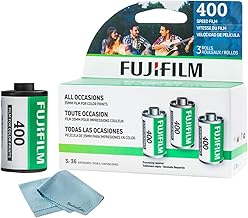
Fujifilm 400 Color Negative Film offers vibrant colors, strong contrast, and crisp texture across landscapes and portraits. With 36 exposures per roll and an ISO 400 rating, it balances performance in both well-lit and lower light. Best for: photographers seeking bright, natural-looking color with reliable skin tones. Better for: scenes requiring vivid color without manual push. Caution: some users may prefer higher saturation or finer grain for large-format prints.
Kodak Gold 200 35mm Film Roll 24 Exp 3 Rolls

Kodak Gold 200 is a dependable choice for learners and hobbyists. Its warm color rendition and forgiving exposure make it easy to produce pleasing photos without heavy technique. This bundle of three rolls is ideal for practice, vacations, or daily shooting where you want to minimize running out of film. Best for: beginners and everyday shooting; choose this if you value steady results and an affordable multi-pack. Limitation: broader color dynamics can be less punchy than higher-ISO options.
20 Pack Gel Light Filter Sheets, A4 Size

These 20 lighting gels come in 10 colors, with two sheets per shade. They’re designed for photography and videography to modify color temperature, create mood lighting, or tint diffusion. Best for: studio photographers, filmmakers, and hobbyists who want quick, affordable color control. Limitation: not a sticker—requires proper usage and safe handling; avoid excessive heat exposure that could warp the plastic.
Buying Guide
What to consider when choosing color film
- ISO rating: Higher ISO (like 400) performs better in variable light but can show more grain. Lower ISO yields finer grain and richer color but needs brighter conditions.
- Color balance and tone: Some films emphasize warm skin tones, others push vibrant greens and blues. Match film to subject and lighting.
- Grain and contrast: If you plan large prints, a film with finer grain and controlled contrast helps retention of detail.
- Packaging and quantity: Multi-packs save money and prevent running out during trips or long shoots.
- Accessories: Cleaning cloths and color gels expand creative options but do not replace proper handling of exposed film.
How to pick for different shooting scenarios
- Casual daily shooting: Ultramax 400 or Gold 200 offer dependable color and broad exposure latitude.
- Learning and practice: Gold 200 rolls provide forgiving tones and easy development results.
- Creative lighting and mood: Gel filters enable color shifts and diffusion for portraits and studio work.
- Travel and landscapes: 400-speed film helps capture scenes in mixed light with less grain at typical print sizes.
Storage and handling tips
- Keep film away from heat and direct sunlight before use to prevent exposure drift.
- Store unexposed rolls in a cool, dry place; once opened, keep in a protective environment and use promptly after opening when possible.
- Avoid exposing film to magnetic or strong electrical interference during processing or handling where not recommended by the lab.
FAQ
- What film should a beginner start with for color photography? Kodak Gold 200 is a forgiving option that helps new photographers achieve pleasing results without complicated settings.
- Is ISO 400 suitable for outdoor portraits? Yes, ISO 400 offers versatility in daylight and softer indoor light, preserving detail in skin tones.
- Do color gels affect video or only stills? They work for both stills and video lighting to modify color balance and mood.
- Should I buy multipacks of film? Multipacks reduce reload interruptions and can lower per-roll cost, making them practical for travel or ongoing projects.
- Are 3-roll bundles better than single rolls? Yes, they reduce the chance of running out and provide consistent color expectations across shoots.
- Do I need special equipment to use gel sheets? No special gear is required beyond basic lighting equipment; they can be used with standard studio lights and LEDs.