In modern photo and video work, having a fast, reliable memory card is essential for capturing 4K footage, high-bitrate bursts, and smooth transfers to editing systems. This guide highlights five high-performance options across SD and microSD formats, chosen for speed, capacity, and compatibility with cameras, drones, dashcams, and security systems. From professional-grade UHS-II cards to versatile UHS-I models, these cards support 4K, V30 and A1 performance requirements, ensuring minimal lag and dependable data protection in demanding shooting environments. Explore concise specs below and read detailed notes to decide which card best fits your workflow.
| Product | Brand | Capacity | Read Speed (MB/s) | Video/Class | Adapter Included |
|---|---|---|---|---|---|
| Lexar 128GB Professional 2000x SD Card | Lexar | 128GB | Up to 300 | UHS-II, V90, A1 | Yes |
| Gigastone 128GB SD Card Pro | Gigastone | 128GB | Up to 100 | 4K UHD, A1, V30 | No |
| TeamGroup GO Card 256GB Micro SDXC | TEAMGROUP | 256GB | Up to 100 | U3, V30 | Yes |
| Speederlash 128GB Micro SDXC | Speederlash | 128GB | Up to 90 | UHS-I, V30, A1 | Yes |
| The CEO Ultra SDHC 32GB | THE CEO | 32GB | Up to 90 | UHS-I, Class 10, 4K | No |
Lexar 128GB Professional 2000x SD Card

The Lexar LSD2000128G-BNNNU uses UHS-II technology to deliver read speeds up to 300 MB/s, supporting fast transfers for high-bitrate 4K video and extended burst shooting. It also meets A1 performance standards for app-related tasks, helping when you load camera control apps or editing software directly from the card. Backward compatibility with UHS-I devices ensures broad usability across a range of cameras and readers. An SD adapter is included, extending compatibility to standard SD slots in laptops, workstations, and command centers, enabling flexible workflows in the field and studio.
In practical terms, this card suits professionals who need reliable, high-speed performance during long shoots or multi-camera sessions. The combination of high sequential read speeds and A1 support reduces lag when reviewing RAW files or streaming footage for quick on-site decisions. While handling 4K and even 8K content, the card maintains steady performance, making it a strong option for photographers and videographers who require consistent data transfer and rapid offload to editing workstations.
Gigastone 128GB SD Card Pro

The Gigastone 128GB SD Card Pro is designed for 4K camera workflows, offering up to 100 MB/s data transfer speed and 4K UHD compatibility. The listing highlights A1 and V30 performance, indicating suitability for app-based workflows and high-bitrate video recording. With 128GB capacity, this card supports lengthy shoots, large RAW files, and rapid transfers to editing rigs or external storage. Its standard SD card format makes it compatible with many DSLR, mirrorless, and cinema cameras, as well as some drones and security systems that rely on SD cards for primary storage.
Users should balance speed with capacity when planning shoots that involve extended 4K sessions or multi-camera rigs. The A1/V30 certification helps with app performance and reliable video capture, reducing frame drops and buffering. While not all devices may support the highest read speeds, the Gigastone card provides consistent, dependable performance suitable for many professional and enthusiast applications, including long-term archiving and on-site review of footage.
TeamGroup GO Card 256GB Micro SDXC

The TEAMGROUP GO Card 256GB Micro SDXC uses a UHS-I interface with U3 and V30 ratings, delivering read speeds up to 100 MB/s and write speeds up to 50 MB/s. The 256GB capacity supports lengthy 4K recording sessions, large photo libraries, and multi-file projects for action cameras, drones, and dashcams. The card is designed for outdoor and sports use, with protective features including waterproof, dustproof, X-ray proof, and cold resistance, helping maintain data integrity in challenging environments. The included adapter broadens compatibility with standard SD slots in cameras, laptops, and field readers.
In practice, this card suits photographers and videographers who operate in rugged conditions or require quick file offloads during shoots. The robust durability features reduce risk in adverse weather, while the high capacity supports long-term storage needs. For multi-camera setups or extended wildlife shoots, this card offers a practical balance of speed, capacity, and resilience, making it a reliable option for GoPro, DSLR, and cinema workflows.
Speederlash 128GB Micro SD Card

The Speederlash 128GB Micro SD Card offers up to 90 MB/s read speeds with UHS-I, V30, and A1 ratings to support 4K video and app performance. It includes an SD adapter, enabling easy use in full-size SD slots for cameras, laptops, and field readers. The 128GB capacity is well-suited to mid- to long-duration shoots, mobile devices, and surveillance setups where regular card changes are minimized. The card’s durability features—common to Speederlash products—provide reliable operation across everyday and rugged environments, helping to ensure data integrity during travel and filming.
For shooters who prioritize flexibility, this card is compatible with dashcams, action cameras, and compact rigs, offering dependable performance without compromising on form factor. While not the largest capacity in this selection, the combination of speed, adapter inclusion, and affordability makes it a practical option for enthusiasts and professionals alike who need a capable, portable storage solution.
The CEO Ultra SDHC 32GB
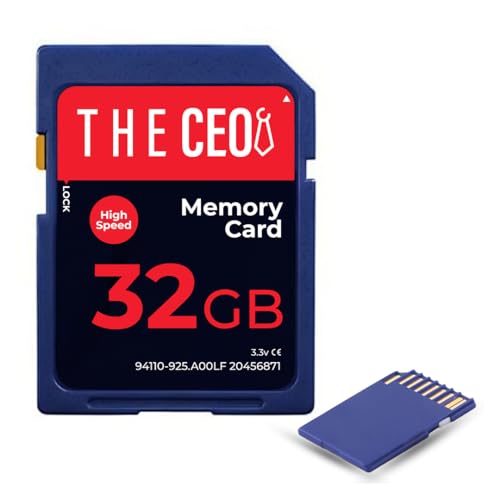
The CEO Ultra SDHC SD card provides 32GB of storage with up to 90 MB/s transfer speeds and Class 10 performance, suitable for Full HD video and general photography. The 32GB size is a compact option for smaller rigs or backup cards, supporting reliable data capture in day-to-day shooting and travel scenarios. The card is described as optimized for cameras, emphasizing smooth read/write operations and minimal delays during burst shooting or fast-paced scenes. It also highlights durability features, including waterproof and temperature resistance, which are valuable in outdoor or demanding environments.
When selecting a card in this category, consider the balance between capacity and speed. For photographers and videographers who prioritize light gear and quick swaps, 32GB can suffice for shorter sessions or backup workflows. For longer projects or higher-frame-rate capture, larger capacities with faster speeds are generally more suitable to prevent frequent card changes and ensure seamless recording and offload workflows.
Buying Guide
- Speed class and interface: Prioritize UHS-II (often labeled with higher read/write speeds) or UHS-I with Video Speed Class (V30) for 4K video. For cinema-quality or high-frame-rate work, look for cards with V90 or higher and read speeds well above 200 MB/s.
- Capacity and workflow: Choose capacity based on your typical shoot length, file size, and backup strategy. 128GB is common for 4K bursts; 256GB or more is better for long events or multi-camera rigs. Always plan for extra space for rough cuts and backups.
- Device compatibility: Confirm your camera, drone, or dashcam supports the card’s format (SD vs microSD) and speed class. Some devices require specific adapters or readers for optimal performance.
- Durability and environment: If you shoot outdoors or in challenging conditions, prioritize waterproof, shockproof, X-ray proof, and temperature-resistant cards to safeguard data integrity.
- Reliability and warranty: Look for brands with proven track records and reasonable warranties. Data recovery options can be valuable if data integrity is critical to your work.
- Price-to-performance balance: Higher-priced cards offer faster speeds and greater reliability, but evaluate whether your workflow truly requires the extra capability. For casual use, mid-range UHS-I cards commonly suffice.
- Adapter presence: Some microSD cards include SD adapters, expanding compatibility with standard SD slots in cameras and readers. If an adapter is not included, factor in the cost and convenience of acquiring one.
- Backup strategy: Consider carrying spare cards and implementing a robust offload routine to prevent data loss. Regularly format cards in-camera, not in-computer, to maintain optimal performance.
Overall, the best fast SD card for your camera depends on your specific needs: whether you require the highest possible transfer speeds for 8K or multi-camera 4K workflows, or a balance of capacity and ruggedness for fieldwork. The five options highlighted here provide a range of speeds, capacities, and form factors to suit different shooting styles—from professional cinema setups to compact action cams and surveillance devices.