Astrophotography with a DSLR benefits from a stable mounting, precise tracking, and effective light control. The picks below emphasize gear that strengthens field sessions, from portable trackers to specialized imaging gear, and from filters to dew-prevention tools. Use the table to compare each item’s role at a glance, then explore how each can fit into a complete night-sky workflow, from setup to post-processing.
| Product | Brand | Role | Benefit |
|---|---|---|---|
| Sky-Watcher Star Adventurer 2i Astro Pack | Sky-Watcher | Tracking Platform | Portable night-sky imaging |
| FIBONAX 4K Astrophotography Camera | FIBONAX | Imaging Camera | 8MP, 1080P/4K |
| SVBONY UV IR Cut Filter | SVBONY | Filter | UV/IR suppression, 2 inch |
| SVBONY UHC Filter For DSLRs | SVBONY | Filter | Ultra High Contrast, reduces light pollution |
| JJC Dew Heater Strip | JJC | Dew Prevention | 80mm, three heat levels |
Sky-Watcher Star Adventurer 2i Astro Tracker

The Star Adventurer 2i serves as a compact, motorized tracking platform designed for DSLR night-scape imaging, long exposures, and time-lapse work. Its portable form and modular architecture enable straightforward mounting on most tripods, supporting wide-field astrophotography, star trails, and panoramic sequences with reliable tracking accuracy. This platform is well-suited for beginners and seasoned shooters who need a lightweight setup for field sessions without sacrificing precision.
A key feature is the built-in illuminated polar finderscope, which simplifies Polaris alignment in dim skies. The finder aids in quick, repeatable polar alignment, boosting accuracy for Milky Way frames, eclipses, and extended exposures. Overall stability and ease of use make this tracker a practical starting point for DSLR-based astrophotography on the go.
FIBONAX 4K Astrophotography Camera

The FIBONAX 4K Astrophotography Camera is a compact imaging device designed for telescope-based work. It delivers 8MP stills and supports 1080P at 60fps and 4K video, making it suitable for planetary imaging, wide-field celestial scenes, and time-lapse projects. An infrared-cut filter is included to improve color fidelity by reducing near-infrared contamination, a common issue in night-sky photography with digital sensors.
With plug-and-play support across Windows, macOS, and Linux, the camera integrates smoothly with popular astronomy software. Its standard 1.25-inch compatibility makes it easy to pair with existing focusers or adapters, enabling straightforward installation in many DSLR setups. This makes it a versatile option for those exploring alternatives to traditional DSLR bodies while preserving familiar workflow steps.
SVBONY UV IR Cut Filter For DSLRs

This UV/IR-cut filter uses advanced coatings to block ultraviolet and infrared wavelengths that can degrade contrast on digital sensors. The result is crisper star fields and truer color rendition across standard DSLR workflows. Made with true optical-quality glass and durable coatings, it minimizes reflections while preserving image sharpness, making it a reliable addition to night-sky imaging and everyday photography alike. It fits 2-inch filter threads for broad compatibility.
Designed to serve as a permanent lens protector as well, the filter supports digital imaging with DSLR cameras and CCD cameras. For astrophotography, this filter helps maintain color fidelity and contrast in diverse lighting conditions, making it a practical, long-lasting upgrade for users seeking cleaner night-sky images without sacrificing convenience.
SVBONY UHC Filter For DSLRs
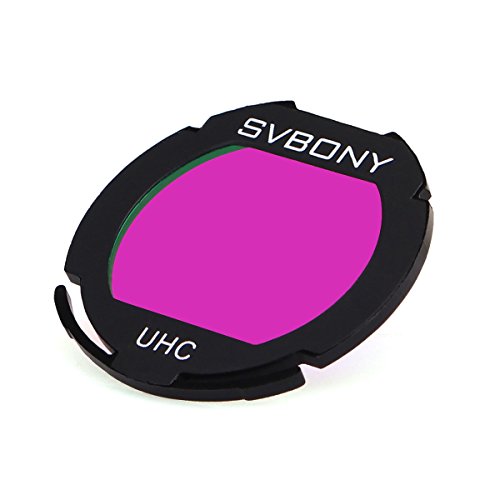
The Ultra High Contrast (UHC) filter boosts deep-sky imaging by suppressing broad-spectrum light pollution while preserving key nebular emission lines. By transmitting the narrow wavelengths associated with nebulae and galaxies, the UHC filter enhances contrast and reveals fainter structures in urban and suburban skies. The 1.25-inch format makes it compatible with many DSLRs and clip-in or threaded assemblies, allowing quick integration into existing rigs.
UHC filters are especially useful for imaging faint targets in less-than-ideal light-polluted environments. When paired with a DSLR, they can significantly improve detection of nebulae and intricate detail without requiring longer exposures, helping photographers achieve cleaner results with a more efficient workflow.
JJC Dew Heater Strip For Telescopes

The JJC dew heater strip helps prevent condensation on lenses, eyepieces, and telescope surfaces during cold sessions. It includes a temperature regulator with three levels and a long, flexible cord, enabling easy placement on optics around 80mm in diameter. This solution keeps optics clear, reducing downtime from dew and allowing longer, uninterrupted imaging sessions in chilly environments.
Designed for compatibility with many DSLR and mirrorless setups, the heater strip supports reliable dew prevention across a range of telescopes and lenses. By maintaining clear glass, it helps preserve image quality during long-exposure and stacking workflows, especially in damp or foggy conditions.)
Buying Guide
Choosing the right gear for DSLR astrophotography involves balancing tracking, imaging capability, light control, and reliability in field conditions. The following considerations help map gear choices to your goals, whether you shoot from dark sites or competitive urban settings, and whether you already own a DSLR or are exploring dedicated imaging options.
Key Factors To Evaluate
- Camera compatibility: If you already have a DSLR, a motorized tracker like the Star Adventurer 2i can dramatically improve long-exposure quality. If you’re open to a dedicated imaging device, a camera such as the FIBONAX offers high-resolution captures with streamlined software compatibility.
- Mount and stability: Portability matters for field work, but stability is essential for sharp star images. Lightweight tripods or sturdy mounts paired with a tracker deliver the best balance for beginners and seasoned shooters alike.
- Light control: Filters like UV/IR cut and UHC help reduce unwanted wavelengths, improve contrast, and reveal faint details in nebulae. Match filter size to your setup (1.25″ or 2″) for best results.
- Dew prevention: Condensation can ruin sessions. Dew-control options such as a dew heater strip are valuable for extended imaging in cool, humid environments.
- Power and weather readiness: Ensure your gear supports reliable power sources and protects sensitive electronics from dew and moisture in the field.
How To Assemble A Basic Night-Sky Setup
- Mount the tracker or mount on a stable tripod, then perform polar alignment if using a tracking platform.
- Attach the camera or imaging device, ensuring proper balance and fit with adapters for 1.25″ or 2″ accessories.
- Install necessary filters to optimize light transmission before observing or capturing frames.
- Power the system and configure exposure settings suitable for your target, then begin with short test shots before stacking.
- Apply dew control as needed during the session to keep optics clear and imaging uninterrupted.
Practical Comparisons
- Tracking vs fixed mounts: A motorized tracker like the Star Adventurer 2i enables longer exposures without star trailing, ideal for Milky Way shots and deep-sky targets. A static tripod is lighter and simpler but limits exposure length.
- Dedicated camera vs DSLR: A dedicated imaging device such as the FIBONAX can offer specialized interfaces and high compatibility with various telescopes, while a DSLR provides familiar controls and broader lens ecosystem.
- Filters: UV/IR cut improves general image fidelity on DSLRs, while UHC filters excel at boosting contrast in nebulae within light-polluted skies.
- Dew management: Dew heaters reduce downtime and help maintain consistent quality across sessions, especially during prolonged imaging runs.
- Urban vs dark-site considerations: In light-polluted areas, filters are more critical, whereas dark sites can still benefit from proper tracking and dew management for longer stacks and richer detail.
By pairing a reliable tracker with a capable imaging device and thoughtful light-control accessories, you can build a flexible setup that scales with your experience and locations. The selections above provide a balanced starting point for a DSLR-based astrophotography workflow, from portable field work to more ambitious night-sky projects.