Whether you’re new to aerial photography or upgrading from a basic toy, the right drone with a camera can expand your creative possibilities. The five selections below emphasize image quality, stability, and ease of use, while keeping portability in mind. You’ll find models with 4K UHD cameras on lightweight frames, plus options with longer battery life and enhanced transmission. The goal is to help American readers pick a drone that fits hobbyist and professional-style shoots alike without sacrificing simplicity. Use the quick-reference table to compare essentials at a glance, then dive into detailed sections for real-world insights.
| Product | Brand | Camera | Flight Time |
|---|---|---|---|
| DJI Mini 4K: Compact 4K Drone for Adults | DJI | 4K Ultra HD | Up to 31 min |
| LANSAND 4K UHD FPV Drone | LANSAND | 4K UHD | Not listed |
| Velcase 1080P HD FPV Drone | Velcase | 1080P HD | Up to 26 min |
| Tercaso 2K HD FPV Drone | Tercaso | 2K HD | Not listed |
| Bwine F7GB2 Pro 4K Drone | Bwine | 4K UHD | Up to 75 min |
DJI Mini 4K: Compact 4K Drone for Adults
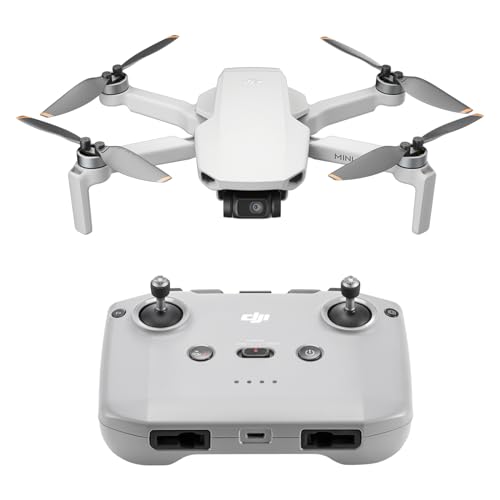
The DJI Mini 4K blends ultra-lightweight design with robust camera performance. Weighing under 249 g, it avoids FAA registration for recreational use in many regions, depending on local rules. The drone delivers 4K Ultra HD footage and features a 3-axis gimbal for cinematic stability, ensuring crisp video even as you move across sunrises or sunsets. With wind resistance up to Level 5 and brushless motors, it maintains controlled flight in breezy conditions. A long-range transmission system supports clean video up to 10 km in favorable conditions, while Auto Return helps recover the drone safely if a signal is lost.
LANSAND 4K UHD FPV Drone

The LANSAND model emphasizes a balance of portability and advanced capture. It weighs under 249 g, reducing regulatory burdens in some markets. The 4K UHD camera comes with a wide 120° field of view and a 90° adjustable lens, allowing you to frame expansive landscapes or tight close-ups from different angles. Real-time video is transmitted over both 2.4 GHz and 5 GHz FPV channels, helping minimize interference in typical suburban environments. The drone supports stable long-range FPV up to hundreds of feet, making it suitable for open-air exploration and beginner-friendly flight tests.
Velcase 1080P HD FPV Foldable Drone

Velcase focuses on beginner-friendly operation with a foldable design that makes it easy to pack for travel. The 1080P HD camera, combined with gesture controls for photos and videos, supports simple selfie-style captures from above. The drone pairs optical flow positioning with altitude hold and one-key takeoff/landing, providing stable hovering for new pilots. While primarily designed for casual aerial photography, its compact form factor and included carry case make it a practical option for family outings or weekend adventures.
Drones With Camera For Adults – 2K HD FPV

This Tercaso model delivers a solid 2K HD camera with FPV live video and GPS-based features like Auto Return. It’s positioned for adults seeking a capable entry into GPS-assisted flight without complex setups. The drone emphasizes stability through brushless motors and an altitude hold system, helping maintain steady footage even when breeze presses in. The foldable frame and accessible control layout make it appealing for hobbyists who want a practical, reliable option for capturing high-quality aerial shots without steep learning curves.
Bwine F7GB2 Pro 4K Drone

The Bwine F7GB2 Pro combines a 4K camera with a 3-axis gimbal for smooth, cinematic footage. It offers an extended flight experience with three included intelligent batteries, delivering up to about 75 minutes of airborne time per trip. The drone supports GPS follow, Waypoint, and Orbit Fly modes, enabling cinematic autopiloted shots with minimal manual input. An Auto Return feature helps recover the aircraft if it loses connection, and the overall configuration is oriented toward users seeking longer flights and more complex aerial choreography, all while remaining accessible to beginners with a dedicated beginner mode.
Buying Guide
Choosing the right drone with a camera involves balancing portability, image quality, and control features. Consider how you plan to use the drone, your comfort level with technology, and the environments you’ll fly in. The models above vary in key areas like camera resolution, flight time, and landing stability, so understanding trade-offs helps identify the best fit.
- Camera quality and stabilization: Higher resolution (4K) is ideal for cinematic footage, but 2K and 1080p still capture sharp images for social sharing. Look for a 3-axis gimbal and brushless motors for smoother video and longer life in windy conditions.
- Weight and regulations: Drones under 250 g often avoid some registration requirements in the U.S. and other regions, but local laws vary. Always verify rules in your area before flying and respect privacy and safety guidelines.
- Flight time and batteries: Longer flight times reduce the number of landings and make travel filming easier. Check whether extra batteries or charging gear are included, and whether the manufacturer offers easy upgrades.
- Transmission range and stability: FPV ranges and interference patterns differ by model. Higher-end transmissions (including 5 GHz FPV) provide more reliable live video, especially in open spaces, but line-of-sight and environment still matter.
- Autopilot features and safety: GPS-based Auto Return, Waypoints, and Follow Me modes simplify handling and reduce risk in complex shots. Beginner modes can help new pilots build confidence before attempting advanced maneuvers.
- Portability and setup: Foldable designs and carry cases increase practicality for travel, family outings, or spontaneous shoots. Consider whether you want a compact drone for on-the-go filming or a more capable platform for dedicated projects.
- Budget and future-proofing: Higher-resolution cameras and longer flight times often come with higher price tags. Evaluate whether upgrade paths (like extra batteries or accessories) align with your long-term goals.
In practice, the best choice depends on your priorities. For ultra-portability and ease of use, models under 250 g with 4K capability balance travel-friendly design with strong camera performance. If you want longer flights for extended shoots or more sophisticated autonomous modes, a multi-battery setup with GPS-based features will serve you well. Beginners benefit from foldable frames, simple takeoff and landing, and basic stabilization, while more experienced hobbyists may prioritize higher 4K quality, wider dynamic range, and precise control in windy conditions.