Choosing the right memory card is essential for reliable photography and smooth video capture. This guide reviews five SanDisk cards that deliver dependable performance for American shooters using digital cameras, mirrorless cameras, or action cams. It highlights capacity options, read speeds, and best-use scenarios to help you avoid bottlenecks during shoots. A quick comparison table is provided below to help you spot the best fit at a glance.
| Product | Capacity | Read Speed | Best For |
|---|---|---|---|
| SanDisk Ultra 128GB SDXC UHS-I Card | 128GB | Up to 100MB/s | Full HD video and everyday photography |
| SanDisk Ultra 64GB SDXC UHS-I Card | 64GB | Up to 80MB/s | Compact point-and-shoot and quick transfers |
| SanDisk Ultra 256GB SDXC UHS-I Card | 256GB | Up to 150MB/s | Ample storage with fast transfers for busy shoots |
| SanDisk Extreme Pro 128GB SDXC UHS-I Card | 128GB | Up to 200MB/s | 4K UHD and high-speed offloads |
| SanDisk Extreme 256GB SDXC UHS-I Card | 256GB | Up to 180MB/s | High-speed for 4K and RAW workflows |
Overview: The cards above cover a broad range of capacities and speeds, focusing on reliable SanDisk performance suitable for most American photographers. Ultra-series cards offer solid value for Full HD and daily shooting, while Extreme-Pro and Extreme models push higher speeds for 4K, RAW, and rapid card offloads. All are SDXC cards using the UHS-I interface, which balances speed and device compatibility in most cameras. When selecting, consider your typical file sizes, shooting style, and whether your device supports higher speed classes or faster offload options.
SanDisk Ultra 128GB SDXC UHS-I Card
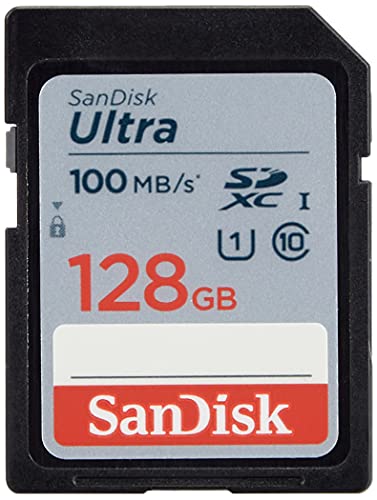
The SanDisk Ultra 128GB SDXC UHS-I Card provides dependable performance for everyday photography and Full HD video. It features a Class 10 and UHS-I rating, ensuring smooth sequential shooting and quick file transfers. With capacities spanning from 32GB to 256GB, you gain generous storage for a day of shooting without frequent card swaps. Real-world performance depends on the host device and file attributes, but this card is designed to handle continuous shooting and Full HD recording reliably.
Best-fit scenarios include compact to mid-range point-and-shoot cameras and entry-to-midlevel mirrorless bodies. The card supports Full HD video and stills at standard frame rates, making it a practical choice for travel, events, and everyday photography. As with most SDXC media, actual usable space is slightly under the stated capacity due to formatting and system files. This card represents a balanced option for shooters who prioritize affordability and consistency over extreme transfer speeds.
- Full HD and still imagery ready
- Durable, widely compatible with many cameras
- Solid value for beginners and hobbyists
SanDisk Ultra 64GB SDXC UHS-I Card

The 64GB Ultra card is a compact option ideal for travelers and hobbyists who want reliable performance without carrying multiple cards. Its Class 10 rating and up to 80MB/s read speed support quick transfers and solid Full HD recording. While the capacity is smaller than higher-end models, it remains suitable for day trips or situations where light gear matters. The card’s design emphasizes compatibility and dependable everyday use, making it a practical choice for many point-and-shoot cameras and compact camcorders.
Usage notes include compatibility with SDHC I/SDXC I devices and a focus on straightforward playback and transfer. It excels in scenarios where speed is important but extreme, sustained 4K recording is not required. For shooters who rely on speed buffs rather than expansive storage, this model delivers reliable performance at an accessible price point.
- Compact capacity for light trips
- Reliable transfer speeds for everyday use
- Good compatibility with many devices
SanDisk Ultra 256GB SDXC UHS-I Card

The 256GB Ultra SDXC card delivers substantial capacity with respect to modern shooting needs. It offers quick transfers up to 150MB/s, which helps when moving large RAW files or extended video clips to a computer for editing. The card is designed to store a large library of images and 4K video, while still being compatible with a broad range of SDXC devices. Performance is presented as read speed in internal testing, with actual results varying by device and conditions. It’s a strong choice for photographers who shoot frequently and need ample space.
Ideal applications include travel photography, documentary work, and street shooting, where long sessions can accumulate many high-resolution files. This card emphasizes speed for offloading and adequate capacity for photographers who don’t want to swap cards frequently. While not the top-tier Extreme model, it strikes a balance between space and speed for everyday professional tasks.
- Large storage, fast enough for RAW/HD workflows
- Versatile for many camera bodies and use cases
- Balanced option for photographers needing more room
SanDisk Extreme Pro 128GB SDXC UHS-I Card
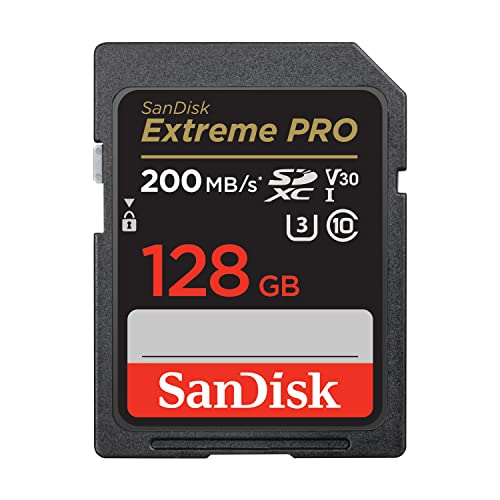
The Extreme Pro series is designed for demanding professional use, with read speeds up to 200MB/s and write performance optimized for fast offloads. This card is intended for faster workflows, including 4K video capture and rapid transfer to a computer or external drive. The QuickFlow technology mentioned in marketing materials enhances performance for compatible devices, helping reduce buffering during high-bitrate recording. This model pairs well with high-end cameras and accessories like professional readers for maximum throughput.
In practice, the card supports high-speed shooting and quick media transfers, reducing downtime between shots. It’s compatible with SanDisk Professional PRO-READER options for absolute top speeds, though you will need a device capable of leveraging such performance. If your work involves continuous high-bitrate video or RAW bursts, this card is positioned to deliver the efficiency you need.
- High-end performance for 4K and RAW workflows
- Best with compatible readers for maximum speed
- Excellent write speeds to handle burst photography
SanDisk Extreme 256GB SDXC UHS-I Card

The Extreme 256GB SDXC card is designed for intense shooting sessions that require both space and speed. With read speeds up to about 180MB/s, it offers fast offloads and ample room for 4K video and RAW photo bursts. The card’s QuickFlow technology and high-performance design make it suitable for professionals who push their gear to the limit. While not as fast as some top-tier UHS-II offerings, it delivers strong performance at a competitive capacity point, making it a reliable workhorse in many studios and field setups.
Practical advantages include smoother 4K recording, quicker file transfers, and a reduction in downtime between shoots. This card is a solid choice for photographers and videographers who need substantial storage without sacrificing the ability to handle high-bitrate content. It pairs well with mid-to-high-end cameras that support UHS-I speeds and 4K capture, providing a reliable combination of capacity and speed.
- High capacity for long shoots
- Strong 4K and RAW handling
- Solid reliability for professional workstreams
Buying Guide
When choosing a memory card for digital cameras, several factors determine what’s best for your workflow. Capacity should match your typical file sizes, shooting duration, and backup plan. Speed classes influence how quickly you can capture and offload data, with UHS-I and V30 being common for many cameras. If you shoot 4K video or RAW bursts, prioritize higher read and write speeds to minimize buffering and downtime between takes.
Card type and compatibility matter. SDXC cards are common and supported by most cameras released in the last decade, but check your device’s maximum supported capacity and speed. Reliability and endurance are also critical; reputable brands like SanDisk offer robust warranty support and durability. Consider a two-card strategy for long shoots, with one card recording while the other is swapped in the field. A fast reader can further reduce transfer times when moving footage to a computer.
Capacity versus speed is often a trade-off. Ultra-series cards provide excellent value for Full HD and everyday use, while Extreme Pro and Extreme models excel in high-bitrate scenarios and 4K workflows. For travelers and casual shooters, a mid-range 64–128GB card may suffice, while event photographers or videographers may prefer 256GB options to minimize card swaps. Finally, assess your editing needs: larger, faster cards streamline post-processing of RAW and 4K files.
Comparison at a glance among the five reviewed options shows a spectrum of capabilities. If you prioritize top performance for 4K and rapid offloads, the Extreme Pro and Extreme cards are strongest. If you want generous storage with solid everyday performance, the Ultra-series cards deliver dependable results. For those balancing cost and capacity, the Ultra 256GB cards offer substantial space with strong speeds. Always format cards in-camera before use to optimize reliability and performance.