Photographers working with medium-format workflows often seek high-resolution, reliable digital back alternatives that seamlessly integrate with modern gear. The picks below prioritize sensor detail, color accuracy, and versatile video capabilities—traits that pair well with medium-format sensibilities even when a true digital back isn’t in the kit. Each option offers robust performance, strong build quality, and thoughtful design for professional use across landscapes, studios, events, and travel.
| Product | Brand | Core Strength | Key Feature |
|---|---|---|---|
| Nikon D850 FX-Format Digital SLR Body | Nikon | Exceptional resolution | 45.7 MP full-frame sensor with high dynamic range |
| Nikon D7500 DX-Format Digital SLR Body | Nikon | Fast autofocus & versatility | 51-point AF, up to 8 fps continuous shooting |
| KODAK PIXPRO AZ255-BK 16MP Digital Camera | KODAK | Extended zoom & portability | 25x optical zoom, 16 MP sensor |
| CAMWORLD 4K Digital Camera | CAMWORLD | 4K video with high still resolution | 72 MP stills, 4K video, 270° flip screen |
| YOODEE 48MP Auto Focus 4K Camera | YOODEE | Dual lens versatility | 48 MP, dual-lens setup, 4K video |
Nikon D850 FX-Format DSLR

The Nikon D850 offers a 45.7 MP full-frame sensor with no optical low-pass filter, delivering exceptional detail and dynamic range for landscape, studio, and archival work. It supports up to 9 frames per second with full AF when shooting in RAW, and a robust build with weather sealing makes it suitable for challenging environments. The camera’s tilting LCD improves framing from low angles or high viewpoints, supporting a wide range of shooting styles typical in professional workflows.
In practice, the D850 is a strong high-resolution option within a professional system. Its broad color depth and precise autofocus help produce images that can serve as the “backbone” in a multi-back workflow, especially when paired with high-quality lenses and precise exposure control. While not a dedicated digital back, its sensor breadth makes it a compelling choice for photographers prioritizing detail and latitude.
Nikon D7500 DX-Format DSLR
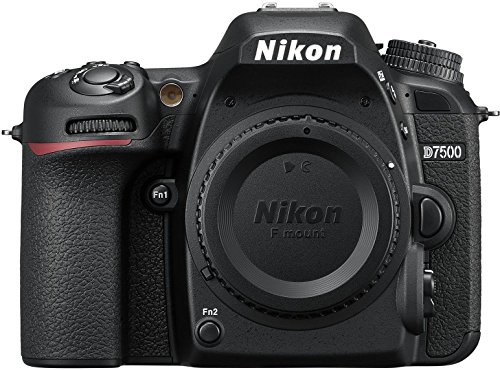
The Nikon D7500 sits in the DX-format class with a strong balance of resolution, autofocus performance, and practical features for enthusiasts and professionals who shoot across genres. Its 51-point AF system (with cross-type sensors) and continuous shooting speeds up to 8 fps support action work and fast-paced events. The camera’s ergonomic design and durability pair well with mid-range to high-end lenses, making it a flexible option for shooters who need dependable performance in a compact body.
For workflows that require reliable color and sharpness without stepping up to a full-frame system, the D7500 offers a compelling blend of speed, image quality, and portability. Its value lies in dependable performance for travel, street, and documentary projects, where a lighter body can be advantageous while still delivering professional results.
KODAK PIXPRO AZ255-BK 16MP

The KODAK PIXPRO AZ255-BK offers a compact, travel-friendly option with a 16 MP sensor and a notable 25x optical zoom lens. This combination supports versatile everyday shooting, from candid street scenes to family portraits, while providing a broad focal range without swapping lenses. The AZ255-BK also records 1080p Full HD video for quick vlogging or documentation, making it a practical all-around choice when a traditional back setup isn’t required.
For photographers building a varied archive, the AZ255-BK provides a budget-conscious path to high-zoom versatility. While not a medium-format back, its image quality and flexibility support wide-ranging applications from travel storytelling to event photography, especially when a lightweight kit is preferred.
CAMWORLD 4K Digital Camera

The CAMWORLD 4K Digital Camera is designed for content creators who want strong video and high-resolution stills in a single compact body. It supports 4K video recording and up to 72 MP stills, with a 2.8″ LCD that flips for easy vlogging and self-recording. The kit includes a 64 GB TF card and a battery setup suitable for extended shoots, while features like time-lapse and loop recording address creative needs in both documentary and lifestyle projects.
In practice, this camera suits creators who value video-first capabilities in a portable package. The combination of 4K video, high-megapixel stills, and a vari-angle screen makes it well-suited for travel, event coverage, and social media content where flexible framing and quick setup are critical.
YOODEE 48MP Auto Focus 4K Camera

The YOODEE 48MP Auto Focus 4K camera emphasizes a dual-lens design, enabling more flexible shooting with quick front/rear camera switching. It supports 48 MP stills and 4K video, aided by an IPS screen and a compact form factor. Dual 700 mAh batteries provide extended shooting time, and the built-in anti-shake feature helps maintain clarity in handheld scenarios. A 16x digital zoom expands reach for distant subjects, making it a versatile option for travel, portraits, and vlogging.
For users prioritizing portability and a versatile feature set, the YOODEE model delivers a capable balance of resolution, video quality, and battery flexibility. While it’s not a medium-format back, its performance characteristics align with modern hybrid workflows that combine stills and video in a single device.
Buying Guide
Choosing a camera setup to pair with a digital back or a high-resolution workflow involves weighing sensor quality, lens flexibility, and the intended use-case. The options above cover a spectrum from flagship full-frame DSLRs to compact 4K cameras, each with strengths that suit different professional needs.
Key purchase considerations
- Resolution and dynamic range: Higher megapixels and broader dynamic range translate to more detailed data for large-format printing or aggressive cropping. Consider whether you need 45 MP+ or if 16-24 MP is sufficient for your output routes.
- Autofocus performance: For fast-moving subjects or documentary work, a robust AF system (points, tracking, and cross-type sensors) improves keepability and reduces post-processing time.
- Video capabilities: If 4K video, frame rate options, stabilization, and color profiles matter for your production workflow, prioritize cameras with advanced video features and reliable autofocus in video mode.
- Lens ecosystem and future-proofing: A broad, high-quality lens lineup expands creative options and protects your investment as your needs evolve toward larger formats or different shooting styles.
- Battery life and ergonomics: A comfortable grip, durable construction, and dependable battery life are essential for field shooting, especially during long sessions or travel assignments.
- File management and workflows: Look for reliable RAW capture, robust in-camera processing, and convenient transfer options to your editing suite and storage workflow.
- Portability vs. capability: Full-frame bodies tend to be heavier but offer superior image quality, while compact models improve travel convenience. Choose based on how often you travel or shoot on-location.
What to compare across models
- Sensor architecture and pixel density: Evaluate how sensor design contributes to noise performance, latitude, and color fidelity in your typical lighting conditions.
- Low-light performance: Consider ISO performance and noise handling when you work at dusk, indoors, or in dim venues.
- Build and weather sealing: For outdoor or rugged environments, a weather-sealed body can extend lifespan and reliability.
- Ease of use and customization: Intuitive controls, customizable buttons, and a responsive menu system reduce workflow friction on location shoots.
- Upgrade path: If you expect future needs (like higher-res back components or new lenses), check compatibility and upgrade options within your system.
Overall, the best choice depends on your balance between resolution, flexibility, and portability. For studio-scale, ultra-high-detail work, high-resolution full-frame bodies cited here can pair effectively with modern accessories and post-production pipelines. For on-location storytelling, cameras with strong autofocus, reliable video, and a lighter footprint may be preferable. The options provided offer a spectrum that supports a range of medium-format-inspired workflows without requiring a dedicated digital back upgrade.