Best Color Negative Film for Analog Photography in 2026
For anyone returning to film or starting with analog photography, color negative film offers reliable color reproduction, broad processing compatibility, and classic grain. This guide highlights five practical options for different shooting styles and budgets. Best for travelers, portraits, street shooting, and everyday snapshots, these films are chosen to balance color accuracy, exposure latitude, and accessibility. Read on to find which film aligns with your camera, developing service, and preferred shooting conditions.
| Product | Best For | Why It Stands Out |
|---|---|---|
| Kodak Ultramax 400 Color Print Film (3-Pack) | All-around daily use | Three-pack value, versatile ISO 400 color negative film with reliable color and grain |
| Kodak Gold 200 135/24 Film (Pack of 2) | Budget-friendly daylight color | Low-speed color negative film with classic Kodak color reproduction |
| Fujifilm 400 Color Negative Film (3-Rolls) | Vibrant colors for landscapes and portraits | ISO 400 with rich color and high contrast for standout images |
| Color Negative Film, 120 Roll Film, C200 ISO 200 | Medium format versatility | Classic color negative with smooth grain and easy lab processing |
| Kodak Ultramax 400 3-Pack 35mm Film | Travel and everyday shooting | 108 exposures across three rolls; strong all-round performance |
Kodak Ultramax 400 Color Print Film Three-Pack

Kodak Ultramax 400 is a reliable all-purpose color negative film designed for 35mm cameras. With 36 exposures per roll and a ISO 400 rating, it delivers vivid colors with smooth grain in a wide range of lighting. The three-pack format makes it convenient for travelers and daily shooters who want consistent results without frequent reloading.
Best for: Everyday photography, street scenes, and travel where you need dependable color fidelity and forgiving exposure. This is a solid choice for shooters who want straightforward results without extensive post-processing.
Caution: Availability and packaging can vary by region; ensure the roll length and DX coding match your camera model before loading.
Kodak Gold 200 135/24 Film (Pack of 2)

Kodak Gold 200 is a lower-speed color negative film known for warm skin tones and classic color reproduction. Its lower ISO makes it a good fit for daylight scenes where you want smooth tones with pleasant saturation. The twin-pack provides extra run-ready stock for weekend projects or extended shoots.
Best for: Portraits and lifestyle photography in bright to moderate light where you value natural skin tones and classic film color. It’s a practical choice for beginners exploring color film without high grain emphasis.
Limitation: Compared with ISO 400 films, Gold 200 may require brighter lighting or flash in dim conditions to avoid underexposure.
FUJIFILM 400 Color Negative Film (3 Rolls) with Microfiber Cloth
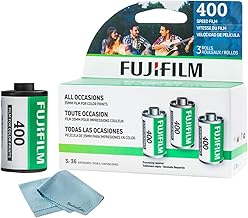
Fujifilm 400 Color Negative Film offers vibrant colors and strong contrast with a versatile ISO 400. Each roll carries 36 exposures, giving you ample shooting opportunities for landscapes, portraits, and everyday scenes. This option is ideal when you seek bold color rendition and reliable performance across varied lighting.
Best for: Travelers and enthusiasts who want bright, punchy colors and dependable performance in mixed lighting. It pairs well with mid-day sun and overcast skies alike.
Limitation: Some users may notice stronger contrast; keep an eye on exposure to avoid overly punchy skin tones in formal portraits.
Color Negative Film, 120 Roll Film, C200 ISO 200

This 120-format film is a solid choice for those who own medium format cameras or want larger negatives for more detailed scans. ISO 200 provides smooth tones with natural color saturation and a timeless grain structure. The film is compatible with standard C-41 development, simplifying lab processing.
Best for: Street, travel, and portrait work using medium format gear where larger frame size enhances detail and dynamic range. It’s a practical option for those expanding into 120 film while maintaining familiar color rendering.
Limitation: Medium format cameras can be more expensive to operate; ensure you have a compatible camera and development workflow before purchase.
Kodak Ultramax 400 3-Pack 35mm Film

Another 35mm option from Kodak Ultramax 400 provides three batches of 36 exposures each, totaling 108 exposures. This film shares the same ISO 400 versatility and color accuracy, with Kodak’s characteristic warmth and clarity.
Best for: Photographers who need reliable, all-around color negative film for travel, weddings, street, and daily capture. The triple-pack supports longer projects without repeated shopping.
Caution: Like other consumer-grade films, results can vary with lighting; consider bracketing in unpredictable conditions to ensure usable exposures.
Buying Guide: What To Consider When Choosing Color Negative Film
- Film speed (ISO): Higher ISO (e.g., 400) offers better performance in low light and action but may introduce more grain. Lower ISO (e.g., 200) yields smooth tones in bright light but needs more light or faster lenses.
- Color reproduction: Consider whether you want warm tones (classic Kodak look) or punchier colors (Fujifilm style) and how this aligns with your photography goals.
- Format: 35mm is the standard for most beginners; 120/medium format delivers larger negatives and more detail but requires compatible gear and processing capabilities.
- Exposure latitude: Some films perform well across varied lighting (open shade, backlight). Look for films with forgiving exposure characteristics if you shoot in changing conditions.
- Processing compatibility: Most color negative films use the C-41 process. Verify your lab’s capabilities and ensure your chosen film can be developed at your preferred lab.
- Packaging and value: Multi-packs offer cost efficiency and consistency for project runs or travel, while single rolls suit casual shooters testing new brands.
FAQ
- What is color negative film best used for?
Color negative film is versatile for everyday photography, portraits, landscapes, and travel, offering natural colors and broad processing compatibility.
- Is 400 ISO better than 200 ISO for beginners?
ISO 400 is more forgiving in varied lighting, making it better for beginners who shoot without strict light control.
- Can I develop color negative film at any lab?
Most labs offer C-41 processing for color negative film, but check with your local lab if they have any specific requirements.
- Which film is best for portraits?
Films with natural skin tones and moderate contrast, such as Kodak Ultramax 400 or Fujifilm 400, are well-suited for portraits.
- Should I choose 120 film or 35mm?
Choose 120 for larger negatives and more detail if you own a compatible camera; 35mm is more affordable and widely available for beginners.
- What is the advantage of a multi-pack film?
Multi-pack films reduce reordering frequency, often providing better value and consistent color rendering over multiple shoots.