Rangefinder-style cameras and digital rangefinders appeal to photographers who value compact form, precise manual focusing, and a timeless shooting experience. This guide spotlights five budget-friendly options that balance classic rangefinder appeal with modern digital capabilities. From established Leica heritage to accessible compact options, these picks are linked to Amazon for quick comparison and purchase. Each entry highlights what makes it stand out for budget-conscious buyers seeking a digital rangefinder feel.
| Product | Brand | Key Appeal |
|---|---|---|
| Leica M11 Digital Rangefinder Camera (Silver) | Leica | Full-frame sensor with Triple Resolution Technology |
| Leica M11 Monochrom Digital Rangefinder Camera, Black | Leica | Monochrome sensor for exceptional luminance detail |
| Canon PowerShot Golf Digital Laser Rangefinder | Canon | Instant range with built-in slope correction |
| Fujifilm X100VI Rangefinder-Style Camera | Fujifilm | Hybrid rangefinder-style design with modern sensor |
| SIXTARY 4K Digital Camera | SIXTARY | 64MP stills and 4K video with a flip screen |
Leica M11 Digital Rangefinder Camera (Silver)

The Leica M11 uses a full-frame BSI CMOS sensor with Triple Resolution Technology, allowing DNG and JPEG outputs at 60, 36, or 18 megapixels while using the entire sensor area. A specialized IR and UV cut filter reduces chromatic aberrations and glare when shooting through oblique light, improving image clarity in challenging lighting. Ergonomic controls are arranged near a high-resolution touchscreen for quick adjustments, making the camera practical for street photography and travel without sacrificing classic rangefinder ergonomics.
Leica M11 Monochrom Rangefinder
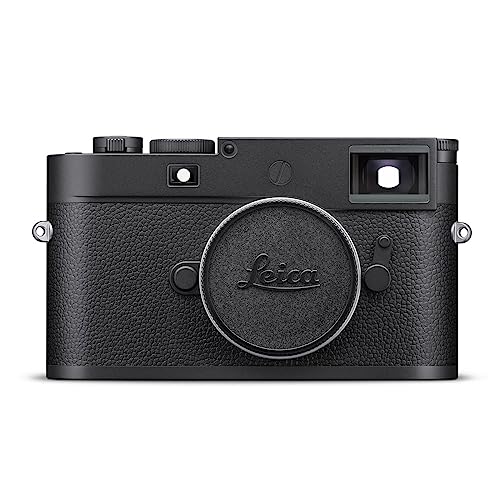
The M11 Monochrom builds on the M11 by removing the color filter array, enabling exclusive capture of monochrome imagery with heightened detail and luminance. This design broadens the sensor’s sensitivity to ISO 125-200000, delivering greater potential in low-light with enhanced dynamic range and reduced noise in grayscale tones. It maintains the Triple Resolution Technology so shooters can select 60MP, 36MP, or 18MP outputs using the entire sensor, while the Maestro III processor supports rapid processing and continuous shooting up to 4.5 fps, suited for expressive black-and-white work.
Canon PowerShot Golf Rangefinder

This device combines a fast measurement interface with built-in image stabilization and a laser rangefinder. It provides instant range data and a digital zoom that extends from 6x to 12x, helping golfers and outdoor shooters precisely gauge distances. The slope correction feature adjusts distances based on incline or decline, aiding accuracy when targeting flags on varied terrain. While primarily a rangefinder for golf, its compact form and responsive readouts illustrate how digital rangefinding technology can be integrated into a handheld optical tool for field use.
Fujifilm X100VI Rangefinder-Style Camera

The Fujifilm X100VI embraces a rangefinder-inspired design with a 40.2MP X-Trans CMOS 5 HR sensor, offering rich color rendition and sharp detail. It features up to 6.0 stops of in-body image stabilization and a 4-stop internal ND, enhancing handheld shooting across bright and low-light conditions. While marketed as a high-end compact, its traditional rangefinder styling and tactile controls appeal to photographers seeking a blend of classic form and modern digital performance in a portable package.
SIXTARY 4K Digital Camera

This budget-friendly camera offers Ultra HD 4K video and 64MP stills, driven by a user-friendly interface. The 3″ LCD can swivel 180 degrees, aiding self-recording and vlogging. Key features include 16x digital zoom and built-in WiFi for easy transfer to mobile devices, as well as compatibility with a 64GB micro SD card and two batteries for extended shoots. Its compact size and feature set make it a practical entry point for beginners who want a versatile, all-in-one camera without a premium price tag.
Buying Guide
When choosing a budget digital rangefinder or rangefinder-inspired camera, consider how you plan to shoot and what you value most in a rangefinder experience. The following factors help compare options across a spectrum of price points and capabilities:
- Rangefinder vs rangefinder-inspired: True rangefinder cameras prioritize manual focusing and a separate rangefinding mechanism. Rangefinder-inspired compact cameras offer modern autofocus and electronic viewfinders while delivering a similar feel and handling.
- Sensor size and image quality: Full-frame sensors (as in Leica models) deliver depth and dynamic range, but may exceed budget goals. Look for high-resolution sensors with good noise performance and color rendering that align with your style.
- Focusing experience: Manual focus with rangefinding patches requires practice. If you prefer ease, choose models with reliable autofocus or hybrid focusing systems in rangefinder-style bodies.
- Lens ecosystem and compatibility: For Leica models, lens options and build quality are premium. For budget options, consider compatibility, availability of affordable lenses, and potential future upgrades.
- Portability and durability: If you shoot on the go, weigh the weight, size, and weather sealing (if any). Lighter bodies are easier to carry, but may sacrifice some controls.
- Image stabilization: In-body or lens-based stabilization helps in low light or handheld shooting. This is especially valuable when paired with longer shutters or slower lenses.
- Video capabilities: If you plan to record video, verify 4K support, frame rates, and codec options. Some budget models emphasize stills first but offer usable video.
- Connectivity and workflow: WiFi, app support, and easy file transfer streamline post-processing and sharing. Check battery life and charging options for field use.
- Value and longevity: Consider long-term use, service options, and resale value. Some brands retain value due to heritage; others offer strong features at lower upfront costs.
- Use-case fit: Street photography, travel, portraits, or casual family shooting—align the camera’s strengths with your primary needs to maximize the investment.