The following article highlights top full-frame mirrorless cameras that deliver exceptional image quality, fast autofocus, and robust video capabilities for both photography and content creation. Each pick is suited to different needs—from hybrid video shooters to landscape purists—ensuring a reliable option for a range of budgets and use cases. Below you’ll find concise product sections and a buying guide to help compare features, sensors, and processing power across leading brands.
| Product | Brand | Key Feature |
|---|---|---|
| Sony Alpha 7 IV Full-frame Kit | Sony | 33 MP sensor, 4K60p video, robust processing |
| Canon EOS R5 (Body) | Canon | 45 MP, 8K video, high-speed performance |
| Canon EOS R6 Mark II (Body) | Canon | 24.2 MP, excellent AF, fast shooting |
| Canon EOS RP (Body) | Canon | Lightweight full-frame, compact, good for travel |
| Sony Alpha 7 IV Kit (28–70mm) | Sony | 33 MP, hybrid capabilities, complete kit |
Sony Alpha 7 IV Full-frame Kit

The Sony Alpha 7 IV uses a 33 MP Exmor R full-frame sensor with a next-generation BIONZ XR engine, delivering high-resolution images with rich detail and improved processing efficiency. The camera supports 4K 60p with 10-bit 4:2:2 recording and full-pixel readout, ensuring strong dynamic range and color accuracy for both stills and video. This model emphasizes hybrid performance, balancing sharp still images with high-quality video suitable for creators who publish across platforms.
Sony Alpha 7 IV Kit With 28–70mm Lens

This kit bundles the 28–70mm OSS zoom lens with the camera body, offering a convenient range for everyday shooting, portraits, travel, and video. Optical SteadyShot helps stabilize handheld footage, while the 33 MP sensor and BIONZ XR processor deliver natural color rendition and detailed textures across lighting conditions. It’s a balanced option for photographers who also produce content and value a ready-to-shoot package.
Canon EOS R5 Mirrorless Camera
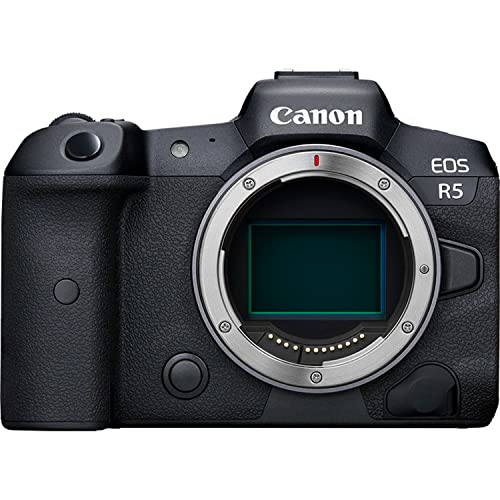
The Canon EOS R5 is a flagship choice featuring a 45 MP full-frame sensor with the DIGIC X processor. It excels in both stills and video, delivering exceptionally detailed imagery and robust 8K video capabilities for cinematic projects. The camera’s autofocus system emphasizes speed and accuracy, making it a strong option for professional photographers who require the best possible image fidelity and future-proof video workflows.
Canon EOS R6 Mark II

The Canon EOS R6 Mark II focuses on speed and low-light performance, featuring a 24.2 MP full-frame sensor and the updated DIGIC X processor. It supports high-speed continuous shooting, up to 12 fps mechanically and 40 fps electronically, with strong AF tracking for moving subjects. This model suits event, sports, and wildlife shooters who need reliable performance in dynamic scenes.
Canon EOS RP

The Canon EOS RP offers an accessible entry into full-frame photography with a 26.2 MP full-frame sensor and a compact, lightweight body. It supports RF mount lenses and EF/EF-S with an adapter, making it a travel-friendly option for enthusiasts seeking good image quality without a heavy kit. The camera emphasizes portability and ease of use for everyday shooting and vlogging.
Buying Guide: Key Considerations for Full-Frame Cameras
When selecting a full-frame mirrorless camera, consider a balance of sensor quality, autofocus performance, processing power, and video capabilities. Resolution matters for cropping and large prints, but low-light performance and dynamic range often determine real-world results in varied conditions. Battery life, weather sealing, and color science influence day-to-day reliability. Budget-conscious buyers should weigh the benefits of a robust kit (lens, stabilization, and accessories) against the camera body’s flagship features. For hybrid creators, prioritize codecs, 10-bit RGB color depth, and sensor readout efficiency to maximize both photo detail and video fidelity.
Sensor and processing power: A higher megapixel count provides detail, yet may demand more light for optimal noise control. Modern sensors paired with a capable processor (like Canon’s DIGIC X or Sony’s BIONZ XR) deliver faster AF, better subject detection, and improved continual shooting. Autofocus performance, including face and eye detection for people and animals, is crucial for fast action and candid photography.
Video capabilities: Look for 4K/60p, 10-bit color, and full pixel readout if you plan to crop or color-grade footage. In-body stabilization (IBIS) or lens-based stabilization helps smooth handheld video and stills. Consider the availability of log profiles or cinema-like color science for professional workflows and post-production flexibility.
Ergonomics and handling: Comfortable grip, button layout, and menu navigation affect long shoots. Weight and balance impact fatigue, especially when longer lenses or stabilizers are added. A compact full-frame body can be advantageous for travel and daily use, while a pro-oriented body might offer more rugged build quality and customization.
Lens ecosystem and future-proofing: Full-frame systems benefit from diverse lenses, including fast primes for portraits, versatile zooms for travel, and telephotos for wildlife. Check the availability of native lenses, adapters, and third-party options. Firmware updates can extend performance and compatibility with new features.
Compatibility and ecosystem: If you already own lenses or accessories, compatibility and transition cost matter. Consider trade-offs between staying with a familiar system or moving to a newer platform with potential improvements in autofocus, color science, and video features.
Final considerations: Align your choice with your primary use-case—high-resolution landscape work, fast-action sports, wedding and portraiture, or hybrid photo/video. The best camera for you is the one that best balances sensor quality, autofocus reliability, video capabilities, and practical handling in real-world shooting scenarios.