The right shutter release cable helps eliminate camera shake during long exposures, macro work, and studio shoots. A reliable mechanical release with a snug bulb-lock ensures the shutter stays open without unintended taps, allowing precise control in bulb mode and timed intervals. This guide highlights five top shutter release cables, outlining their length, locking features, and compatibility to help American photographers choose the best option for their camera gear. Use the quick table below to compare essentials at a glance before reading detailed product insights.
| Product | Brand | Length | Key Benefit |
|---|---|---|---|
| JJC 70cm Threaded Cable Release | Fotasy | 70 cm | Vibration-free, Bulb-Lock design |
| Fotasy 100cm Mechanical Cable Release | Fotasy | 100 cm | Long reach with Bulb-Lock; broad camera compatibility |
| Pastlla 15.7″ Release Cable | Pastlla | 40 cm | Bulb-Lock; suitable for digital and film cameras |
| JJC Mechanical Shutter Release Cable | JJC | Not specified | Locking function; Bulb-Lock design for long exposures |
| HTBMALL 2.5mm C1 Remote Cable | HTBMALL | Not specified | 2.5mm to C1; connects remote triggers and flashes |
JJC 70cm Threaded Cable Release
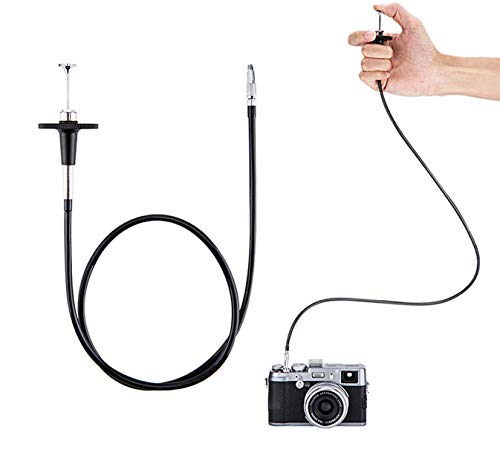
The JJC 70cm Threaded Cable Release provides a compact, cable-driven shutter control suitable for camera bodies that use a threaded shutter button. Its 70-centimeter length offers ample flexibility when mounted on a tripod, enabling shooters to position themselves for long-exposure scenes without tugging on the camera. The device operates mechanically, delivering vibration-free shutter action that minimizes blur during critical frames. The bulb-lock feature allows the user to lock the shutter for extended exposures, which is particularly helpful for astrophotography, star trails, and timed light painting. Its simple, robust design emphasizes reliable operation in typical field conditions.
Key specifications include a straightforward threaded connection, a secure locking mechanism, and a smooth action that avoids accidental releases. The mechanism does not rely on batteries or electronics, reducing the risk of component failure in cold or humid environments. While the release is designed for cameras with standard threaded shutter buttons, it emphasizes precision and repeatability for long exposures. For photographers who frequently work with tripod-stabilized setups or light-box styles, this cable offers consistent results with minimal setup.
Fotasy 100cm Mechanical Cable Release

The Fotasy 100cm Mechanical Cable Release is a long, manual locking cable designed to minimize camera shake across film, digital, and professional video workflows. Its emphasized goal is to eliminate shake in critical situations where the camera must stay perfectly still, such as long exposures, macro work, or remote setups. The tapered threaded end screws directly into the shutter button, making installation straightforward on compatible bodies. The Bulb-Lock feature supports extended exposures, allowing continuous shutter operation without repeated button pressing. The build accommodates various cameras through a simple, mechanical interface that avoids electronic interference during sensitive frames.
In practice, this release supports a range of cameras by using a standard threaded connection. The locking mechanism ensures the shutter remains engaged during both bulb and standard exposures, giving photographers confidence when capturing long sequences. This cable is particularly advantageous in studio environments, astrophotography sessions, or landscape shoots where stability is paramount and power sources are limited. As a durable, no-frills option, it maintains consistent performance without reliance on proprietary systems.
Pastlla 15.7 Inch Release Cable
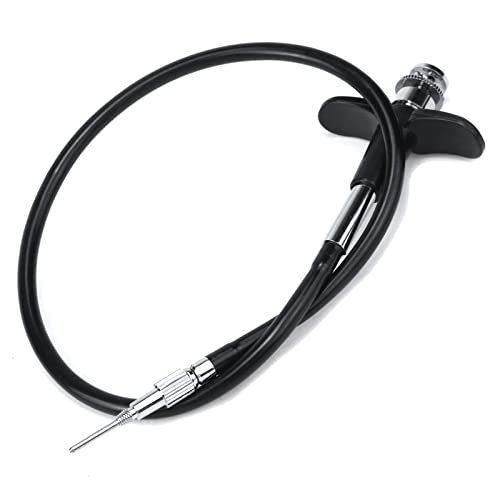
The Pastlla 15.7-Inch Threaded Release Cable is a longer, vibration-free shutter release with Bulb-Lock for extended exposures. The 40-centimeter equivalent length accommodates camera angles where the shutter button must be accessed from a distance, such as high macro rigs or tripod-mounted scenarios with unusual grip positions. The packaging notes materials as plastic and metal, signaling a robust mid-range build suitable for both digital cameras and traditional film bodies with standard shutter cable holes. The 15.7″ cable supports long-duty sessions by maintaining consistent tension and a stable interface between the camera and the release button, reducing micro-movements during critical frames.
In practical terms, this release is well-suited for general long exposures, time-lapse experiments, and macro setups where a compact, affordable option is preferred. The bulb-lock capability secures the shutter for bulb mode and timed exposures, while its mechanical design avoids reliance on power sources. This makes it a versatile choice for photographers who work with a variety of camera systems or who require a simple, dependable tool to maintain composition and exposure control during challenging shoots.
JJC Mechanical Shutter Release Cable

The JJC Mechanical Shutter Release Cable with Bulb-Lock is designed to deliver precise shutter control across a broad range of cameras, including Fuji models listed in its compatibility notes. The cable incorporates a locking function to secure the shutter during critical exposures and a bulb-lock design for extended durations. This combination supports landscapes, star trails, and other long-exposure work where staying locked onto a frame is essential. The package indicates compatibility with cameras that use threaded shutter buttons, and the locking feature helps prevent accidental retractions or resets during sensitive moments.
From a build perspective, the JJC cable emphasizes reliability and repeatable performance, making it a practical choice for photographers who prioritise consistent results. The combination of a sturdy physical interface and a locking mechanism reduces the likelihood of unintended shutter action. It is particularly advantageous for fieldwork in which camera control must remain stable after the initial trigger is pressed, such as in time-lapse sequences or external lighting setups that require precise exposure timing.
HTBMALL 2.5mm C1 Remote Cable

The HTBMALL 2.5mm-C1 Remote Cable is a multifunction shutter release extension designed to connect a remote trigger to a camera and to help control external flashes. The 2.5mm to C1 configuration supports a wide range of flashes and some camera remotes that use the C1 or similar trigger standards. Its 2.5mm jack-to-C1 arrangement enables cross-compatibility with compatible Nikon, Canon, or other brand flashes that accept remote control triggers. The design emphasizes durability with metal and plastic construction and offers a practical solution for photographers who want to synchronize flash or remote shutter control during studio shoots, macro work, or field sessions where quick, reliable triggering is essential.
The coiled or extended length features of similar cables are useful for limiting cable clutter while maintaining reach. This option is particularly appealing for photographers who need a flexible trigger setup and compatibility with multiple triggers and accessories. While not a universal replacement for all camera models, it provides a dependable bridge between camera bodies and off-camera lighting systems for controlled, repeatable results in varied environments.
Buying Guide
Key factors to consider
When selecting a shutter release cable, consider the primary shooting scenarios: long exposures, macro work, and studio setups. A secure locking mechanism (bulb-lock) is crucial for bulb-mode exposures, ensuring the shutter stays open as long as needed. Length matters; longer cables grant greater flexibility for tripod-mounted rigs, while shorter cables are lighter and simpler to manage. Mechanical releases do not rely on batteries, which improves reliability in cold or remote environments. Compatibility is essential; choose a unit with a threaded shutter interface that matches your camera’s shutter button design or a model that explicitly lists your camera family.
Compatibility and threads
Compatibility varies across brands and models. Some releases specify “threaded shutter button” connections, while others offer generic locking mechanisms suitable for multiple brands. If your camera is a Nikon, Canon, Sony, Fujifilm, or Leica model with a standard threaded button, a mechanical release with a Bulb-Lock is typically compatible. For older film bodies or hybrid digital cameras, confirm the presence of a shutter-button thread and that the cable’s locking feature can secure the shutter in long-exposure modes. When in doubt, check the product’s compatibility notes and user reviews for field-tested confirmation.
Locking mechanisms and long-exposure use
The Bulb-Lock feature is a common benefit that facilitates stable long exposures by locking the shutter in place. This is especially important for astrophotography, night landscapes, and light-painting sessions where even minimal button pressure can ruin a frame. A robust locking mechanism reduces unwanted movement caused by wind, tripod vibrations, or user handling. Look for a design that provides tactile feedback and a secure seal around the shutter button to maintain consistency across sessions.
Length, handling, and cable type
Cable length should align with your typical workflow. Longer cables enable safer standing positions during high or awkward camera angles, while shorter cables reduce tangling and clutter. If you frequently work with macro shoots or top-down setups, ensure the length offers enough distance to trigger without disturbing the subject. For travel or studio work, consider whether a straight cable or a coiled option better suits your space. Some models offer adjustable or extendable lengths to balance reach and manageability.
Durability and value
Durability depends on materials, construction, and how often the cable is rolled and unrolled during shoots. A combination of metal and sturdy plastic typically yields a longer lifespan in field conditions. A reliable release with a clear locking function tends to offer better value by reducing the risk of missed frames due to mechanical failure. If you plan to shoot in variable weather, choose models with protective coatings or weather-resistant features that minimize exposure-related wear without compromising performance.
Use-case recommendations and quick guidance
- Long-exposure astrophotography: prioritize Bulb-Lock functionality and a stable locking mechanism with adequate length to reach the tripod head.
- Macro photography: consider shorter lengths and a precise, crisp action to avoid any movement during shot timing.
- Studio or controlled environments: a locking release with durable construction and reliable build quality helps ensure repeatable results across sessions.
- Field work with multiple cameras: a versatile cable with broad compatibility and simple installation reduces setup time and equipment fuss.