Choosing the right camera rail mount system can improve stability, precision, and efficiency across photography and video work. This guide highlights five top options that fit a range of rigs—from compact mirrorless setups to professional cine configurations. Each product supports Arca-Swiss compatibility, quick-release functionality, and modular add-ons to expand your capabilities. Read on to compare construction, mounting options, and key features that matter most on the job.
Summary of selected products:
- Neewer 200mm Professional Rail Nodal Slide Metal Quick Release Clamp – Arca-compatible, laser-engraved scale, spirit level
- SHINEWEE Arca Dovetail Rail for M-LOK – 1.5″ dovetail, compatible with Arca-Swiss/RRS, lightweight
- Sirui 15mm Rail Support System with Quick Release Plate – dual 15mm rod clamps, ARCA-compatible
- Koolehaoda 240mm Rail Nodal Slide – dual dovetail clamp, 90° rotation, AS standard clamp
- SMALLRIG Base Plate with 15mm Rod Clamp – dual 15mm LWS, versatile tripod-to-cage transition
Neewer 200mm Rail Nodal Slide
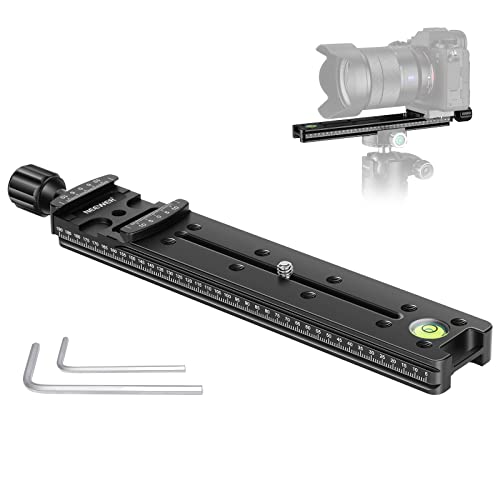
The Neewer rail nodal slide integrates an Arca-standard screw-knob clamp with a precise laser-engraved scale and a built-in spirit level. It is engineered for both panorama and macro work, offering a captive knob stop at maximum opening to prevent accidental releases. Constructed from lightweight aircraft-grade aluminum, this unit balances body rigidity with portability, making it suitable for compact rigs or studio setups looking for dependable repeatability in nodal positioning.
Key considerations include its compatibility with Arca-style mounts and the smoothness of the clamp engagement. The CNC-machined aluminum construction ensures consistent tolerances, which helps when aligning panoramic shots or macro sequences where small alignment errors can spoil a sequence. The product’s dual role as a nodal rail and release clamp makes it a versatile addition to static or slowly moving shot rigs.
Pros: Arca-compatible, precise scale, level indicator, durable aluminum, captive knob stops. Cons: May require additional adapters for non-Arca heads; weight is modest but not the lightest in class.
SHINEWEE Arca Dovetail Rail for M-LOK System
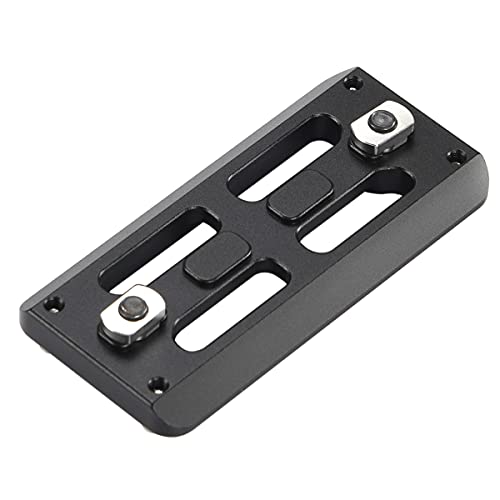
This lightweight rail adapter is crafted from durable 6061-T6 aluminum with a hard anodized finish, offering corrosion resistance and long-lasting reliability. It is fully Arca-Swiss and RRS compatible, with a 1.5″ dovetail rail that enables quick, secure mounting to various tripods, clamps, and accessories. An M-LOK direct integration option allows mounting to forends and hand guards without extra adapters, providing a stable platform in rugged environments where recoil and noise can impact performance.
Design highlights include recoil-mitigating lugs and a beveled edge to prevent snagging, which helps maintain steadiness when attached to dynamic rigs. The combination of universal compatibility and direct M-LOK integration makes this rail a practical choice for photographers who also film with accessories like follow focus or lens support in demanding outdoor or field settings.
Pros: Broad compatibility, direct M-LOK integration, lightweight, durable; Cons: Some users may require additional adapters if not using Arca/RRS compatible heads.
Sirui 15mm Rail Support System

The Sirui rail system centers on 15mm rod support clamps, enabling the attachment of two 15mm rods for accessories like lens supports, follow focuses, or V-mount plates. It includes a quick-release plate compatible with cinema cameras, DSLRs, camcorders, and ARCA-compatible cages, though the quick-release plate works best with Sirui cages or their designated plates. The design offers versatile mounting options, including attachment to tripods via standard 1/4″ and 3/8″ screw holes, enabling both direct tripod use and attachment to a head with the rods in place.
Usage notes emphasize modularity: you can assemble a professional shoulder rig, a director-grade cinema setup, or a compact studio rig depending on the combination of bases, plates, and rods. The bottom features additional access points for direct tripod mounting, ensuring flexibility when changing the shooting configuration on the fly.
Pros: Flexible 15mm rail integration, ARCA-ready, multiple mounting options; Cons: Some configurations may require compatible Sirui bases or cages to achieve full compatibility.
Koolehaoda 240mm Rail Nodal Slide

This 240mm rail nodal slide features a dual dovetail clamp plate with 39 mm width and the ability to rotate a clamp 90 degrees on either side, offering versatility for panoramic or macro operations. It uses a robust aluminum alloy for lightness combined with strength, ensuring reliable support for camera rigs in various conditions. The clamp design adheres to the Arca Swiss standard, supporting widespread compatibility with other quick-release systems used on tripods and rigs.
Notable design aspects include captive knob stops at maximum opening and the flexibility of left/right rotation to accommodate different rig configurations. This makes it suitable for photographers who need precise nodal alignment along with the ability to adapt the clamp orientation without swapping hardware.
Pros: Rotatable clamps for flexible mounting, Arca-compatible, strong build; Cons: Slightly heavier than ultra-simplified rails, may require careful balance on light tripods.
SMALLRIG Base Plate With 15mm Rod Clamp

This base plate pairs a classic universal base with dual 15mm rod clamps, designed to support a broad range of camera, cage, and rig configurations. It enables quick transitions between tripod, shoulder, and other shooting modes, making it a staple for hybrid setups. The plate includes 15mm rod holes spaced to accommodate common cinema accessories like follow focuses, matte boxes, or lens supports. The bottom features standard screw threads (1/4″-20 and 3/8″-16) for mounting to tripods and quick-release plates, ensuring broad compatibility with popular brands.
Practical benefits include straightforward integration with existing SmallRig cages and rigs, compact form factor, and a focus on reducing overall rig weight while maintaining rigidity. It is particularly attractive for users building a versatile kit for video work, where quick changes between handheld and tripod shooting are routine.
Pros: Broad compatibility, lightweight, easy to integrate with cages; Cons: May require additional clamps for specific configurations or brands outside the SmallRig ecosystem.
Buying Guide: Key Purchase Considerations
When selecting a camera rail mount system, consider how you work, what gear you already own, and how you intend to expand in the future. Here are essential factors and how they apply to the products above.
- Compatibility: Prioritize Arca-Swiss compatibility for broad head and plate options. If you use brands like RRS or Sirui, verify specific compatibility notes for quick-release plates and dovetails.
- Rig Type: For panoramic and macro work, nodal slides with precise scales and captive knob stops help achieve repeatable alignment. For dynamic video rigs, quick-release plates and dual 15mm rod clamps support flexible accessory configurations.
- Material and Build: Aluminum alloys provide a strong, lightweight frame; hard anodized finishes resist corrosion in field use. Consider the environment in which you shoot (studio, outdoors, rugged terrain).
- Weight and Balance: Lighter rails improve portability but may carry less load. If you use long lenses or heavy cameras, verify load ratings and the distribution of mass across the rig.
- Modularity: Look for systems that allow swapping between clamps, plates, and rods without disassembly. This reduces changes during shoots and supports faster setups.
- Future Expansion: If you anticipate adding more accessories (follow focus, matte box, V-mount plates), choose a base plate or rail with integrated 15mm rod support and accessible mounting holes.
Bottom line: A robust rail mount system should combine compatibility, modularity, and stable, repeatable performance. For users seeking a balance of price, flexibility, and durability across varying shooting scenarios, the five products above offer a spectrum from compact macro/nodal work to more expansive cine-style rigs.