Best Camera Cleaning Kits for DSLR and Mirrorless Gear
Answering the need for safe, effective lens and sensor upkeep, this guide highlights top camera cleaning kits designed for DSLR and mirrorless gear. These kits suit beginners and hobbyists who want affordable, all-in-one solutions without risking delicate optics. Below, five carefully chosen options cover various kits, from compact 14-piece sets to comprehensive full-frame sensors cleaners. A quick summary table helps compare core features at a glance.
| Product | Best For | Key Benefit |
|---|---|---|
| 14-in-1 Camera Lens Cleaning Kit | Everyday maintenance | All-in-one with storage box |
| Camera Lens Cleaning Kit (14 pieces) | Travel kits | Lightweight and portable |
| K&F CONCEPT 4 in 1 MK06 | Beginner cleanups | Strong blower, dual-purpose pen |
| K&F CONCEPT 25 in 1 MK02 | Full-frame sensors | Vac-sealed swabs for sensors |
| Altura Photo Cleaning Kit | Scratch-free finishes | Alcohol-free cleaner with MagicFiber cloths |
14-in-1 Camera Lens Cleaning Kit
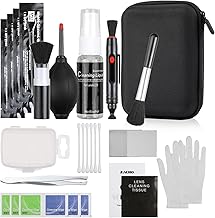
Best for: photographers who want an all-in-one, portable solution. This kit includes air blowing, a two-in-one cleaning pen, brush, beauty brush, multiple cleaning cloths, lens paper, cleaning rod, detergent, and storage options. It’s suitable for Canon, Sony, and Nikon bodies and lenses. The zero-scratch, alcohol-free formula minimizes risk to coatings while removing dust, fingerprints, and smudges.
Why chosen: It bundles a wide array of tools in a single black storage box, making it convenient for on-location use. The kit emphasizes non-toxic cleaning with zero scratches, and the two-in-one cleaning tools simplify maintenance tasks.
Limitations: The large kit can be overwhelming for absolute beginners; focus on essential tools first to avoid over-cleaning sensitive surfaces.
Camera Lens Cleaning Kit (14 pieces)

Best for: travelers and hobbyists who need a compact, multi-tool cleaning kit. It includes an air blower, lens pen, brush, lint-free cloth, and a storage bag, suitable for lenses, sensors, screens, and camera bodies across brands.
Why chosen: Its practical mix supports quick, on-the-go cleanings with a simple storage solution. The 14-piece composition covers common cleaning tasks, reducing the need for separate purchases.
Limitations: Some users may want a dedicated sensor cleaning option; this kit leans toward general cleaning rather than deep sensor maintenance.
K&F CONCEPT 4 in 1 MK06

Best for: beginners who want a structured, reliable kit. This set features a camera dust blower, a multifunction lens cleaning pen (with carbon head), a cleaning brush, and a soft microfiber cloth pair. It is safe for all electronics and coated lenses.
Why chosen: The 4-in-1 approach reduces tool clutter while offering essential components for routine lens and sensor contacts. The silicone blower reduces risk of scratch damage, and the carbon head on the pen helps pick up oils and fingerprints effectively.
Limitations: The kit’s scope is narrower than full sensor-specific kits; for deep sensor cleaning you may want an additional vac-sealed option.
K&F CONCEPT 25 in 1 MK02
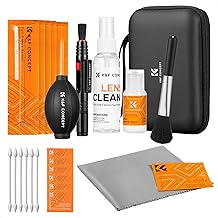
Best for: advanced users who clean full-frame sensors and require precise swab handling. This kit includes 24mm full-frame sensor cleaning swabs (vac-sealed), cotton swabs, microfiber cloths, a blower, sensor and lens cleaners, and a hard storage bag.
Why chosen: The vac-sealed sensor swabs help ensure debris removal without contaminating the sensor. The kit’s breadth supports thorough sensor maintenance for serious photographers.
Limitations: It may be more than needed for casual users; the sensor-focused components require careful handling to prevent over-cleaning or damage.
Altura Photo Cleaning Kit

Best for: users seeking a complete, scratch-free cleaning routine. This kit contains an alcohol- and ammonia-free spray, a cleaning brush, a lens pen, an air blower, multiple MagicFiber microfiber cloths, and wipes. It emphasizes safe, residue-free results.
Why chosen: The safe cleaning formula and included wipes help avoid streaks on delicate coatings. The combination of a blower and pen supports a two-step approach: dust removal, followed by fingerprint removal.
Limitations: Some users may prefer a kit with more dedicated sensor swabs for deep cleaning beyond routine maintenance.
Buying Guide
What should I look for in a camera cleaning kit?
Key factors include compatibility with your camera brands, the inclusion of an air blower, microfiber cloths, cleaning solutions that are gentle on coatings, and storage options. For sensors, vac-sealed swabs and carbon-based cleaners can help remove debris without scratching.
How many pieces do I need?
For beginners, a compact kit (6–14 pieces) that includes a blower, a cleaning pen, a couple of cloths, and a basic storage bag is often sufficient. Intermediate users may prefer 14–25 pieces for broader cleaning tasks, including sensor work.
Is alcohol-free cleaner important?
Yes. Alcohol-free solutions are typically gentler on coatings and reduce the risk of streaks. Look for formulations labeled safe for multi-coated lenses and anti-reflective coatings.
Best practice for on-the-go cleaning
Carry a compact kit in your camera bag. Use the blower first to remove loose dust, then a lens pen or microfiber cloth for fingerprints. Reserve sensor-cleaning swabs for when you are comfortable with sensor maintenance.
How to store cleaning supplies safely?
Use a dedicated storage box with compartments to separate brushes, pens, and cloths. Keep solutions tightly capped and out of direct sunlight to preserve their effectiveness.
Which kit is best for a sensor-focused clean?
Look for kits with vac-sealed swabs specifically designed for 24mm full-frame sensors and a carbon cleaning head on a lens pen. These features help manage sensor debris with reduced risk of residues.
FAQ
- Are camera cleaning kits safe for all brands? Most are designed to work across major brands, including Canon, Nikon, Sony, and other DSLRs and mirrorless cameras.
- Do I need sensor-specific tools? If you regularly clean sensors, yes. Sensor swabs and vacuum-sealed packs reduce risk during cleaning.
- How often should I clean my camera? Light on-camera dust can be cleaned as needed. Deep sensor cleaning should be done only when necessary and preferably by experienced users.
- Can I use household cleaners? Household cleaners are not recommended. Use alcohol-free formula cleaners designed for camera optics.
- What’s the difference between a blower and a brush? A blower removes loose dust. A brush helps lift particles without scratching coatings; combine with a microfiber cloth for best results.
- Is scrubbing with a cloth safe? Use only lint-free, non-abrasive cloths designed for optics and apply gentle pressure to avoid fiber residues or scratches.