Choosing the right camera base plate is essential for fast transitions between shooting setups and for maintaining stability on uneven terrain. This guide examines five highly compatible quick-release base plates that work with common tripod heads and 15mm rail systems. Each option offers solid build quality, reliable locking, and compatibility across varied camera brands and accessories. Use the summary table to compare at-a-glance, then explore detailed product sections to find the best match for your rig.
| Product | Brand | Key Features |
|---|---|---|
| SmallRig Base Plate With 15mm LWS Rod Clamp | SMALLRIG | Dual 15mm rod clamp, compatible with AS-standard heads, lightweight, quick release |
| CAMVATE Quick Release Base Plate | CAMVATE | 1/4″-20 and 3/8″-16 threads, compatible with Manfrotto 577/501/504, anodized aluminum |
| NICEYRIG Quick Release Base Plate | NICEYRIG | Four shooting modes, anti-skid, compatible with common Manfrotto rails |
| UTEBIT Quick Release Plate | UTEBIT | Wide compatibility (Sony A6400, Manfrotto 500AH/501), bubble level, locking knob |
| Frienda 2-Pack Quick Release Plates | Frienda | 2-pack, compact aluminum, anti-slip pads, standard 1/4″-20 screw |
SmallRig Base Plate With 15mm LWS Rod Clamp

The SmallRig base plate centers on flexibility for modern rig setups. Designed to work with 15mm lightweight support (LWS) rails, it helps stabilize rigs that use matte boxes, follow focus systems, and other accessories. The dual rod clamp configuration is particularly useful for balancing rigs that require precise rod positioning, which is common with cage-based camera setups. The plate is compatible with a wide range of camera heads and cages, making it a versatile choice for shooters who frequently reconfigure rigs between studio and field use. The build uses durable aluminum alloy with careful machining to maintain a slim profile without sacrificing rigidity.
From a usability standpoint, the base plate provides solid camera-to-head contact and straightforward mounting. The inclusion of a standard locking screw helps ensure a secure connection with compatible heads. The anti-slip design reduces the chance of creeping or shifting during pan and tilt, which is especially important when adding heavier lenses or accessories. Users who work with ARCA-SWISS, KIRK, or other popular mounting interfaces will appreciate the broad compatibility and dependable locking behavior. Overall, it is a robust option for those who value quick changes without sacrificing stability.
CAMVATE Quick Release Base Plate
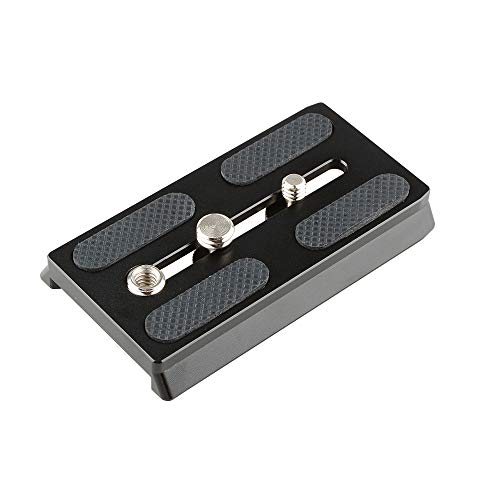
The CAMVATE quick-release base plate emphasizes practical versatility across common tripod systems. It explicitly supports 1/4″-20 and 3/8″-16 mounting screws, enabling straightforward attachment to many tripod heads and supports. The plate is built from anodized aluminum, which provides a balance of lightness and durability for daily field use. Its compatibility with Manfrotto 577, 501, and 504 tripods makes it a suitable pick for users who frequently switch between popular brands in commercial shoots. The overall design favors reliable lock engagement and quick transitions between setups.
In terms of integration, this base plate pairs well with standard quick-release systems, ensuring easy mounting of cameras and accessories. The anodized finish offers resistance to everyday wear and helps minimize scratches during frequent detachments. For photographers who require a straightforward, no-fruss solution with solid thread options, the CAMVATE plate provides dependable performance without complicating the workflow.
NICEYRIG Quick Release Base Plate
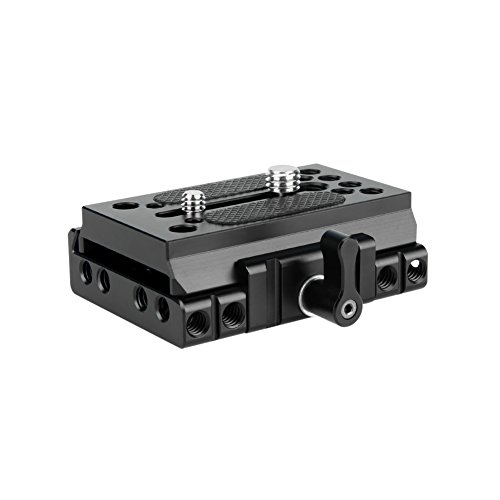
The NICEYRIG base plate is designed for DSLR workflows that require rapid transitions between tripod, handheld, and cage configurations. It supports four shooting modes, enabling quick changes in how the camera is mounted and used. The plate is engineered to be anti-skid, reducing the risk of slippage when switching between rigs or adjusting angles. It is compatible with Manfrotto 577, 501, 504, and 701 systems, allowing it to slot smoothly into existing setups. A wingnut design adds the ability to adjust tension or reposition the plate as needed, contributing to a flexible shooting schedule.
For studios and on-location shoots where versatility matters, this base plate delivers reliable performance with straightforward maintenance. Its modular approach makes it easy to pair with standard rails and accessories, maintaining balance and stability across different configurations. The combination of anti-skid design and adjustable hardware supports a stable platform for cameras, lights, and auxiliary gear during dynamic shoots.
UTEBIT Quick Release Plate

The UTEBIT P200 quick-release plate is built for broad compatibility, including popular Sony models such as the A6400 and established Manfrotto bottom plates like 500AH/501. Its design emphasizes a secure locking mechanism to prevent accidental slippage, a critical feature when moving between tripod heads or balancing heavier rigs. A bubble level is integrated to simplify leveling tasks on uneven surfaces, aiding both photography and video work. It is important to note that this plate does not fit Acra Swiss heads, so compatibility checks are advised for more complex rigs.
Users appreciate the straightforward installation and quick switching between devices or heads. The combination of a locking knob and bubble level supports precision adjustments on the go, and the low-profile footprint helps keep the overall rig compact. For independent filmmakers and hobbyists alike, the UTEBIT plate offers a practical balance of compatibility, stability, and ease of use in everyday shooting environments.
Frienda 2-Pack Quick Release Plates
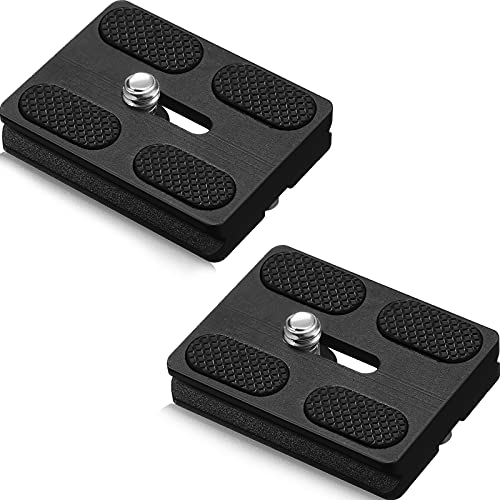
Frienda’s two-pack quick-release plates offer a compact, cost-effective path to upgrading a rig with spare base plates. Made from aluminum, these plates feature anti-slip rubber pads to boost grip and protect gear during mounting and detachment. The standard 1/4″-20 camera screw makes them broadly compatible with most DSLR and mirrorless cameras, as well as many tripod heads. The anti-twist design helps prevent minor loosening during operation, which is beneficial for stable panoramas and panning shots. For photographers building a modular kit or sharing gear across teams, the Frienda plates provide a practical, economical option with reliable performance.
Buying Guide
Compatibility and screw standards
When selecting a base plate, verify bottom-thread compatibility (1/4″-20 vs 3/8″-16). Most consumer tripods and heads use one of these standards, while some professional systems rely on ARCA-SWISS or proprietary interfaces. Base plates with both 1/4″-20 and 3/8″-16 threads provide maximum versatility, allowing you to attach a wide range of cameras and accessories without adapters. If you use specialized heads or cages, check ARCA compatibility and the alignment of screw holes to avoid misfits or wobble.
Size, weight, and balance
Base plates come in varying footprints and weights. A compact plate helps keep a lightweight rig nimble, while a larger plate can improve balance for heavier lenses or when adding matte boxes and follow focuses. Consider how the plate interacts with your 15mm LWS rod system, including rod spacing and clamp placement. A well-balanced setup reduces fatigue during long shoots and improves stability for precise framing during panning and tracking shots.
Build quality and materials
Aluminum alloys are standard for camera base plates due to their strength-to-weight ratio. Look for machined finishes, corrosion resistance, and durability under field conditions. Anti-slip rubber pads are valuable because they reduce plate-to-camera movement during vibration or sudden shifts. If you frequently assemble and disassemble gear, a robust locking mechanism that resists loosening is essential for safety and reliability.
Rail and head integration
For shooters using 15mm LWS rails, ensure the plate accommodates dual rod clamps and aligns with your rail system. Some plates are designed to fit specific brands or models, while others use more universal interfaces. A smooth quick-release action reduces the risk of accidental dismounts, which can be costly in the middle of a shoot. When possible, choose a base plate that integrates neatly with your existing cages, follow focus, matte box, and shoulder rigs.
Brand ecosystem and support
Popular brands such as SmallRig, CAMVATE, NICEYRIG, UTEBIT, and Frienda offer a broad ecosystem of compatible accessories. If you already use gear from a particular brand, sticking with its base plates can simplify compatibility and spare parts availability. Consider the availability of replacement screws, bubble levels, and spare plates. Reading user reviews can reveal long-term reliability and how well a plate tolerates frequent setup changes in varied environments.
Budget and overall value
Base plates fall across a spectrum of prices based on materials, features, and brand prestige. A 2-pack option like Frienda can provide cost savings and redundancy, while premium options from established brands may offer enhanced durability, precise machining, and broader compatibility. Weigh the upfront cost against the time saved during setup, the risk of gear damage from unstable mounts, and the potential need for future upgrades as your rig evolves.