Choosing a high-quality anamorphic lens can transform video and stills by delivering a wider horizontal field of view, distinct curvature, and cinematic blue flare. The lenses below share a 1.33x squeeze, producing a 2.4:1 aspect look when paired with the right sensor or adapter. While these examples span several camera mounts—from X Mount to E Mount and M4/3—each delivers distinct anamorphic traits: oval bokeh, light streaks, and iconic flare. This guide highlights five compelling options from Sirui that balance optical quality, build, and practical handling for both enthusiasts and professionals. The quick snapshot table below offers a snapshot of each model’s core details.
| Product | Mount | Focal Length | Aperture | Squeeze |
|---|---|---|---|---|
| SIRUI 75mm F1.8 1.33X APS-C Anamorphic Lens | X Mount | 75 mm | f/1.8 – f/16 | 1.33x |
| SIRUI 35mm Anamorphic Lens F1.8 1.33X (M4/3) | M4/3 | 35 mm | f/1.8 | 1.33x |
| SIRUI 24mm Anamorphic Lens F2.8 1.33X (EF-M) | EF‑M | 24 mm | f/2.8 | 1.33x |
| SIRUI 50mm F1.8 1.33X Anamorphic Lens (E Mount) | E Mount | 50 mm | f/1.8 | 1.33x |
| SIRUI 20mm T1.8 1.33X Anamorphic Lens (X Mount, S35) | X Mount | 20 mm | T1.8 | 1.33x |
SIRUI 75mm F1.8 1.33X APS-C Anamorphic Lens (X Mount)

The SIRUI 75mm F1.8 1.33X APS-C anamorphic lens is designed for X mount cameras and delivers a pronounced cinematic look on compact bodies. The 1.33x squeeze widens the horizontal field of view, enabling a wider-than-usual presentation without post-cropping. Expect expansive, almost portrait-like framing with a distinct oval bokeh and controlled light reflections that contribute to a sci-fi or space-adventure vibe. The lens blends robust construction with a lightweight profile, making it practical for handheld work or mounted setups. Manual focusing gives precise tactile feedback for critical scenes.
- Focal length: 75 mm
- Aperture: f/1.8 – f/16
- Squeeze: 1.33x
- Mount: X Mount
- Closest focusing distance: 1.2 m
- Focus: Manual
- Build: Aviation aluminum; Schott glass elements
- Look: Blue flare and oval bokeh
Ideal for character-driven subjects, distant scenes with cinematic compression, and interview setups where a shallow depth of field plus a wide horizon is desired.
SIRUI 35mm Anamorphic Lens F1.8 1.33X (M4/3)

The SIRUI 35mm Anamorphic Lens F1.8 1.33X for M4/3 mirrors the classic anamorphic look on micro four thirds bodies. With a 1.33x squeeze, the horizontally extended field of view yields a broad, cinematic canvas, especially in 16:9 and 2.39:1 workflows. The lens is engineered to deliver distinct light streaks and star-like effects as aperture changes, helping you craft scenes with organic flare and a sense of motion. While compact enough for handheld use, the optic remains robust, and the manual focus operation provides precise control for narrative scenes.
- Focal length: 35 mm
- Aperture: f/1.8
- Squeeze: 1.33x
- Mount: M4/3
- Close focus: (not specified)
- Focus: Manual
- Optical look: Light streaks and cinematic flair
Well-suited for close-ups with a broader environmental context and for doc-style shoots where mobility and a cinematic edge are prioritized.
SIRUI 24mm Anamorphic Lens F2.8 1.33X (EF-M)
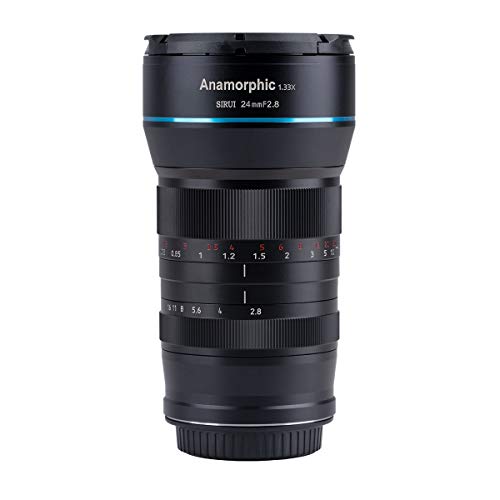
The 24mm EF‑M anamorphic lens pairs a relatively wide field with a 1.33x squeeze for expansive horizontal composition. A notable benefit of the 24mm option is its shorter minimum focusing distance, allowing closer subject framing in tight interiors while preserving the anamorphic look. The 1.33x squeeze ensures the 2.4:1 cinematic ratio remains achievable without cropping in post, and the blue flares and oval bokeh carry through as the aperture shifts. This optic is well-suited to environmental portraits, architecture, and compact documentary setups where space is a constraint.
- Focal length: 24 mm
- Aperture: f/2.8
- Squeeze: 1.33x
- Mount: EF‑M
- Minimum focusing distance: 0.6 m
- Focus: Manual
- Look: Blue light streaks; cinematic bokeh
Great for interior scenes and environmental portraits where close proximity mixed with wide context is desired.
SIRUI 50mm F1.8 1.33X APS-C Anamorphic Lens (E Mount)

The 50mm F1.8 version for E Mount brings a classic mid-telephoto perspective into the anamorphic fold. With a 1.33x squeeze, the lens delivers a cinematic 2.4:1 result when paired with compatible sensors, enabling subject separation and environmental context in a single frame. The build emphasizes durability and consistent optical performance, with a bright maximum aperture for low-light scenes and shallow depth of field aesthetics. The blue flare signature and soft oval bokeh remain prominent as you adjust exposure, delivering a distinct cinematic language for narrative scenes.
- Focal length: 50 mm
- Aperture: f/1.8 – f/16
- Squeeze: 1.33x
- Mount: E Mount
- Closest focusing distance: (not specified)
- Focus: Manual
- Look: Blue flare; oval bokeh
Ideal for mid-shot scenes, dialogue-driven sequences, and any scenario where a natural yet cinematic compression is desired.
SIRUI 20mm T1.8 1.33X Anamorphic Lens (X Mount, S35)

The SIRUI 20mm T1.8 1.33X anamorphic lens for X Mount is designed for Super 35 sensors and offers an autofocus option alongside manual control. The 1.33x squeeze produces a broad field of view suitable for expansive landscapes, tight interiors, and action-packed scenes, all while preserving the signature anamorphic look. The T2.0‑ish behavior is tuned for consistent exposure and depth of field as you adjust tones, with an optical design that emphasizes clean edges and crisp details even at close distances. Autofocus support broadens its utility for run-and-gun shooting and evolving set-ups.
- Focal length: 20 mm
- Aperture: T1.8
- Squeeze: 1.33x
- Mount: X Mount
- Format: S35; 37 mm image circle
- Autofocus: Yes; with STM-driven AF
- Manual override and AF/MF controls
A versatile option for establishing shots, nature cinematography, and urban storytelling where space to maneuver is a key factor.
Buying Guide
Mount Compatibility And Adapters
When shopping for anamorphic optics, mount compatibility is essential. The five Sirui lenses above cover X, M4/3, EF‑M, E, and S35 sensors, which broadens compatibility with modern mirrorless and compact cameras. If your primary body uses a different mount, consider dedicated adapters or a mount‑to‑mount strategy. While these lenses are not native C‑mount solutions, many users pair them with adapters to achieve similar field of view and aesthetic. In all cases, confirm close‑focus distance, image circle coverage, and any vignetting on your chosen sensor size before committing.
Field Of View, Squeeze Factor, And Aspect Ratio
The 1.33x squeeze is a common entry point for achieving a cinematic 2.4:1 look without heavy post processing. A longer focal length (like 75mm) provides tighter framing with pronounced background compression, while shorter focal lengths (20–35mm) deliver expansive horizons and more dramatic foreground context. A higher squeeze factor (1.33x versus 1.6x) intensifies the anamorphic horizontal stretch but can also exaggerate flares and oval bokeh. Consider your typical shooting distance, subject size, and desired horizon coverage when choosing a focal length and squeeze balance.
Optical Build And Handling
Robust construction matters for on‑location shoots. Sirui’s aluminum housings and glass elements from known producers balance durability with manageable weight. For handheld or gimbal work, a well‑designed lens with a smooth focus ring reduces fatigue and increases precision. If you plan to work in constrained spaces, a shorter minimum focus distance can be a deciding factor, as seen with the 24mm model’s close focusing advantage. Also assess how the lens handles in low light, including flare characteristics and color rendition at wider apertures.
Autofocus Versus Manual Focus
Most anamorphic lenses retain manual focus for precise control, with a few models offering autofocus options or assisted modes. The 20mm T1.8 model provides autofocus, which can be advantageous for run‑and‑gun or solo shoots. When relying on manual focus, consider focus breathing, tactile feel, and calibration with your camera body. For narrative scenes, manual focus often yields a more deliberate, cinematic result, while autofocus can support dynamic shots and performance capture.
Image Character: Flare, Bokeh, And Color
One hallmark of anamorphic looks is the blue flare and oval bokeh that emerge as you open up or back off. Lenses with a pronounced flare signature can be a creative asset but may require lighting adjustments to avoid unwanted distractions. The 1.33x squeeze tends to produce a stable, recognizable flaring pattern across scenes with bright highlights. Evaluate how much flare you’re willing to embrace and whether you prefer a more controlled optical character or a highly stylized, dramatic look.
Practical Considerations: Size, Price, And Availability
Availability and pricing fluctuate, so consider your budget and expected usage. If you plan to shoot both photos and video, lens options with robust build and consistent focusing behavior can provide greater versatility. Lightweight, compact options suit travel and remote shoots, while heavier builds may stabilize better on rigs. Finally, ensure you have adequate support gear—tripods, rigs, or gimbals—to maximize the lens’s potential without compromising stability.
Comparative Summary Of The Five Lenses
- 75mm yields a telephoto cinematic look with tight framing and strong subject separation.
- 35mm on M4/3 balances field of view with portability, ideal for street and documentary work.
- 24mm on EF‑M provides a wide yet manageable frame with strong close‑focus capabilities.
- 50mm on E Mount offers mid‑telephoto compression suitable for interviews and beauty shots.
- 20mm on X Mount with T1.8 and autofocus supports broad landscapes and dynamic scenes on Super 35 sensors.
In sum, these lenses offer a spectrum of focal lengths, sensor compatibility, and handling characteristics to suit different shooting workflows. Your choice should align with your camera system, project scale, and preferred cinematic language, while keeping in mind the classic 2.4:1 anamorphic look that many videographers seek to achieve.