When choosing between a bridge camera and a DSLR, photographers seek versatility, control, and portability. Bridge cameras combine long optical zooms and all-in-one convenience, while DSLRs emphasize image quality, interchangeable lenses, and precise manual settings. This guide highlights five practical camera-related choices and a notable bridge camera option to help readers compare performance, protection, and transport. Whether you’re upgrading your kit or building a travel-ready setup, the selections below balance protection, compatibility, and ease for American photographers who value reliability and value.
| Product | Brand | Why It Stands Out |
|---|---|---|
| Canon SX20IS Bridge Camera | Canon | Long 20x optical zoom with image stabilization; 720p HD video; Vari-Angle LCD and Smart Auto |
| Nikon FTZ II Lens Mount Adapter | Nikon | Seamless lens compatibility with Z-series cameras; preserves AF/AE and weather sealing |
| MOSISO DSLR Crossbody Case | MOSISO | Protective, versatile storage with modular inserts and rain cover |
| FOSOTO DSLR Case | FOSOTO | Compact, padded holster with quick access and sturdy zippers |
| Cwatcun Compact Shoulder Bag | Cwatcun | Waterproof, padded protection with practical pockets and strap length |
Canon SX20IS Bridge Camera

- 20x wide-angle optical zoom with Optical Image Stabilizer
- 720p HD video capture with stereo sound
- HDMI output for easy playback on HDTVs
- 2.5-inch Vari-Angle LCD; improved Smart AUTO with 22 shooting situations
This model offers a flexible zoom range and straightforward operation, making it suitable for travel, day trips, and family events where changing lenses is inconvenient.
Nikon FTZ II Lens Mount Adapter

- Adapts F-Mount to Z-Mount while preserving image quality and handling
- Weather sealing maintained; AF/AE supported with many FX/DX AF-S lenses
- Full compatibility with selected teleconverters and G-series lenses
For photographers upgrading to Nikon Z-series mirrorless bodies, the FTZ II extends existing lens investments and preserves autofocus performance across compatible lenses.
MOSISO DSLR Crossbody Case

- External dimensions: 11.81 x 7.87 x 9.84 inches; Internal: 10.63 x 5.91 x 8.27 inches
- Fits most Nikon/Canon/Sony DSLRs with lenses; includes three removable modular inserts
- Canvas and PU leather exterior; waterproof rain cover included
- Back anti-theft pocket and comfortable padded strap
Designed for on-the-go shooters, this case provides adaptable interior space and weather protection without adding excessive bulk.
FOSOTO DSLR Camera Case
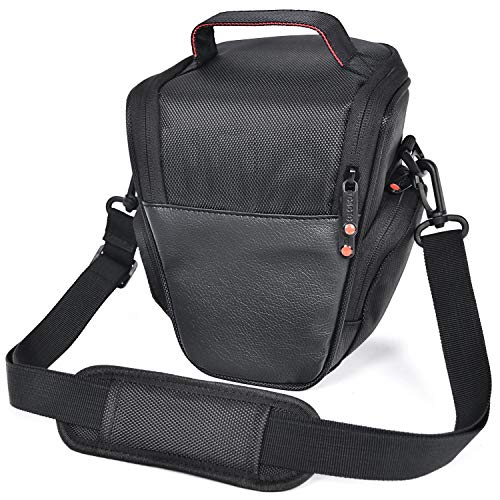
- External Size: 15x11x20 cm; Internal Size: 13x10x18 cm; Weight: 225 g
- Padded top handle; removable & adjustable shoulder strap; belt loop option
- Metal double zippers for smooth operation; quick access design
This compact holster is ideal for photographers who carry a single body with a lens or two, offering reliable protection and quick access when shooting in crowded or active environments.
Cwatcun Compact Shoulder Camera Bag

- Main capacity accommodates 1 DSLR and 1 spare lens plus accessories
- External 8.3 x 5.1 x 7.1 inches; adjustable strap from 65–130 cm
- Two side zipper pockets and a front pocket for small items
Compact and lightweight, this bag suits daily carry and quick transitions between locations while keeping essential gear organized and accessible.
Buying Guide
Key Purchase Considerations
- Camera type and use case: Bridge cameras suit simple travel and all-in-one solutions; DSLRs and mirrorless systems offer greater lens versatility and control.
- Lens ecosystem and compatibility: Consider whether you already own lenses and whether you want compatibility with adapters like the FTZ II.
- Protection and portability: Choose bags or cases with adequate padding, weather resistance, and easy access based on how you shoot.
- Size and weight: Balance the desire for gear capacity with the need for comfortable carrying during long shoots.
- Durability and reliability: Look for sturdy zippers, reinforced seams, and quality materials to withstand travel and frequent use.
Protection, Organization, And Access
- Internal layout and padding: Modular inserts enable customizing space for bodies, lenses, and accessories.
- Accessibility: Quick-access compartments and front pockets help streamline workflow on-site.
- Weather protection: Rain covers and water-resistant fabrics reduce risk in varied environments.
- Hardware quality: Smooth zippers and robust straps contribute to long-term durability.
Lens Adaptation And Ecosystem Considerations
- Adapters like Nikon FTZ II expand compatibility, enabling use of legacy lenses on newer bodies while preserving autofocus and metering where supported.
- Brand ecosystems: Align bags and accessories with your primary brand (Canon, Nikon, Sony, etc.) for better compatibility and support.
Practical Comparisons For Travel
Bridge cameras provide convenience and long zoom reach with minimal gear, which is valuable for casual travel and quick capture scenarios. DSLRs or mirrorless systems excel where image quality and creative control are paramount, yet they require more careful packing and a system of lenses. When traveling, prioritize a bag with a protective interior, weather protection, and flexible inserts to adapt to changing gear needs. Accessories like durable straps and compact holsters can reduce fatigue during long shoots, while adapters can maximize the utility of existing lenses across camera bodies.