For film photography enthusiasts who value quick, reliable focusing, autofocus 35mm SLRs remain a compelling choice. The following five cameras blend accessible automation with classic film aesthetics, offering varied features from beginner-friendly modes to more advanced metering options. Below you’ll find five options spanning Canon’s autofocus lineup and a classic half-frame model, each with a linked purchase path and a concise feature snapshot. The selections emphasize practical autofocus performance, lens compatibility, and ease of use for both newcomers and seasoned shooters revisiting analog gear.
| Product | Brand | Notable Features |
|---|---|---|
| Canon New EOS Kiss Autofocus SLR | Canon | 35-80mm EF lens included; automatic modes; built-in flash with red-eye reduction |
| Canon Rebel 2000 Autofocus SLR | Canon | 7-point AF; 28-80mm EF Auto Focus lens; built-in flash |
| Canon Rebel T2 Autofocus 35mm SLR | Canon | Fully automatic AF; 7-point high-speed AF; wide-area selectable AF; backlit LCD |
| Canon Rebel K2 Autofocus 35mm SLR | Canon | 35-zone metering; 7-point AF; multiple shooting modes; EF mount |
| Kodak EKTAR H35 Half-Frame | KODAK | Focus-free; twice as many exposures per roll; lightweight; built-in flash |
Canon New EOS Kiss Autofocus SLR

The Canon New EOS Kiss, also known as Rebel G in some markets, is a lightweight autofocus 35mm SLR designed for easy handling and reliable results. The included 35-80mm EF lens provides a versatile zoom range suitable for street scenes, portraits, and everyday photography. Its autofocus system helps newcomers lock focus quickly in varying light, while the built-in flash with red-eye reduction supports fill lighting in sunset or indoor shots. With renewed condition, this model offers a value-friendly entry into Canon’s film AF ecosystem without sacrificing essential controls.
Key benefits include straightforward automatic exposure and a compact body that reduces fatigue during longer shoots. The combination of a dependable autofocus system and a standard zoom makes it a practical starter kit for photographers who want to move beyond manual focus while preserving the tactile experience of film.
Considerations include autofocus performance in low light and the availability of compatible EF lenses if you later wish to expand your kit. The Kiss design emphasizes ease-of-use, appealing to beginners who appreciate a smooth learning curve with classic film aesthetics.
Canon Rebel 2000 Autofocus SLR

The Canon Rebel 2000 brings a straightforward autofocus system to a classic 35mm body. It ships with a 28-80mm EF Auto Focus lens, offering a flexible focal range for everyday photography—from candid street scenes to portraits. The camera’s 7-point AF system aids quick focusing on subjects in typical shooting conditions, making it a solid choice for beginners and those returning to film after digital work. The built-in flash provides essential lighting in dim environments, and the ergonomic grip supports stable handling during extended sessions.
From a reliability perspective, the Rebel 2000 emphasizes consistent metering and dependable shutter performance, with a user-friendly interface that helps you learn exposure control while experimenting with different film types. As with renewed gear, confirm the camera’s shutter and electronics operate smoothly, and inspect the lens for any dust or haze that could affect image quality.
Canon Rebel T2 Autofocus 35mm SLR
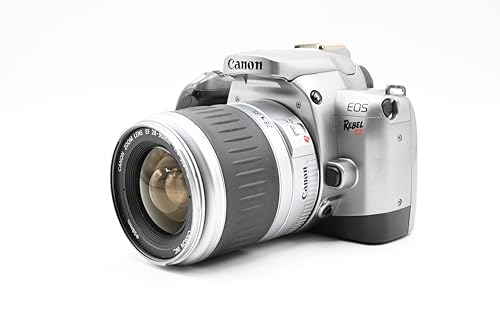
The Canon Rebel T2 is oriented toward those who want a more automatic shooting experience without giving up autofocus capabilities. It features fully automatic 35mm autofocus operation, a 7-point high-speed AF system, and a wide-area selectable autofocus pattern to help keep moving subjects sharp. The ergonomic design and secure grip reduce fatigue during longer shoots, while the large backlit LCD screen makes setting changes easier in challenging lighting. This model suits photographers who want a modernized interface with classic film capture.
The T2’s emphasis on comfort and rapid autofocus makes it a practical choice for travel or street photography. While the lens included is a zoom, you can pair it with other Canon EF or compatible lenses to expand your focal options. As with any renewal, inspect the sensor, lens mount, and battery compatibility to ensure reliability over time.
Canon Rebel K2 Autofocus 35mm SLR

The Canon Rebel K2 extends the line with a robust metering system and a versatile autofocus setup. It pairs a 35-zone metering system with a 7-point high-speed autofocus system, enabling reliable exposure and quick focus across a variety of scenes. The camera supports multiple shooting modes, including programmed options, and uses the EF lens mount for flexible lens selection. The Advanced E-TTL flash metering system integrates with the camera’s exposure reading to optimize flash performance in different environments.
For shooters who want more control, the K2 offers a balance between automatic modes and manual adjustments, which helps in learning to craft specific looks. If you’re collecting Canon analog bodies, the K2 provides a familiar control layout with modern AF behavior for reliable results in everyday shooting conditions.
Kodak EKTAR H35 Half-Frame

Kodak EKTAR H35 is a half-frame 35mm camera designed for compact carry and high-efficiency shooting. Unlike the Canon autofocus models above, this camera is focus-free, relying on fixed focus and a simpler optical system. It is particularly appealing to photographers interested in maximizing exposure counts per roll and enjoying the tactile, minimalist experience of analog half-frame photography. The built-in flash helps in lower light, though focusing relies on pre-set focus distances rather than autofocus. This option provides a refreshing contrast to AF-centric models and is valued for its portability and novelty.
While not offering autofocus, the H35 remains a valid option for those curious about different framing and exposure styles. It can pair well with the Kodak Ultramax or Kodak Gold films listed in the related bundles to produce a distinctive color palette and grain texture that some shooters pursue for experimentation and artistic projects.
Buying Guide: Key Considerations and Comparisons
Choosing the right autofocus 35mm film camera involves weighing autofocus performance, system reliability, and how the camera fits your shooting style. Here are essential factors to consider when evaluating these models and similar gear:
- Autofocus performance and accuracy: Look for a camera with a multi-point AF system (such as 7-point AF) and a responsive drive. In dim light, contrast-detect or slower AF may struggle, so consider models with good low-light AF capability and a reliable metering system to compensate.
- Lens ecosystem and compatibility: EF lenses offer broad compatibility and a wealth of options. Ensure the camera body can accept a range of lenses or at least the included zoom, with room to expand as needed. Check crop factor and screw-drive vs modern AF motor behavior when evaluating older bodies.
- Metering and exposure modes: A camera with 35-zone metering or similar patterns helps in a variety of scenes. Programmed modes are handy for beginners, while manual or semi-automatic modes help learning and creative control.
- Condition and reliability: Renewed or used cameras require inspection of the shutter, electronics, and mechanical components. Test the autofocus system, flash, film advance, and battery compartment. Look for signs of wear that could affect exposure consistency.
- Flash and lighting: Built-in TTL or automatic flash support is beneficial for quick portraits or indoor shooting. Ensure you have fresh batteries and compatible flash settings for reliable performance.
- Film compatibility and availability: 35mm film remains widely available, with color negative and black-and-white options. If you plan color work, consider films known for color rendition and grain characteristics (e.g., Ultramax 400, Gold 200).
- Price-to-value balance: Renewed bodies often supply great value, but factor in potential maintenance costs or the need for a service check. Consider the overall kit, including lenses and any accessories, when estimating cost-per-use.
- Maintenance and serviceability: Older Canon bodies benefit from service manuals and community support. Check whether parts and services remain accessible, particularly for rare or older models.
- Use-case alignment: If you’re focusing on street photography or travel, a compact body with a standard zoom is convenient. For portraits, prioritize accurate AF with a longer portrait-friendly focal range and reliable flash.
- Non-autofocus alternatives: The Kodak EKTAR H35 Half-Frame offers a distinct workflow with its focus-free design. If you’re curious about classic film processes and half-frame aesthetics, this can complement autofocus cameras as a supplementary tool rather than a primary shooter.
In summary, the Canon autofocus models provide reliable focusing, flexible lens options, and practical features for everyday use, especially for those easing back into film or starting fresh with analog photography. The Kodak half-frame option, while not autofocus, adds a unique approach to composition and film usage that can be appealing for creative experiments. When selecting, consider how you shoot, where you shoot, and how much you value a quick, consistent focus versus a broader experimentation toolbox.