Best All-in-One Lenses for Travel and Everyday Photography
Answering the demand for versatile, single-lens solutions, this guide compares top all-in-one zooms designed for popular mirrorless and DSLR systems. These lenses cover wide to telephoto ranges, helping shooters reduce gear while preserving flexibility. Best for travel photographers, hobbyists who want simplicity, and video creators who need quick framing adjustments in dynamic scenes. The selected selections emphasize compact design, stabilization, and reliable autofocus to support fast-paced shooting across landscapes, portraits, wildlife, and snapshots.
| Product | System | Focal Range | Best For | Key Benefit |
|---|---|---|---|---|
| Tamron 18-300mm F/3.5-6.3 Di III-A VC VXD | Canon R APS-C | 18-300mm | Travel, landscapes, portraits | Compact, lightweight, VC stabilization |
| Nikon NIKKOR Z 24-200mm VR | Nikon Z | 24-200mm | All-in-one telephoto | In-body-like stabilization and control ring |
| Tamron 18-400mm F/3.5-6.3 DI-II VC HLD All-In-One Zoom | Canon APS-C | 18-400mm | Travel, wildlife, everyday | Ultra-wide to telephoto in one piece |
| Tamron 18-300mm F/3.5-6.3 Di III-A VC VXD (Nikon Z) | Nikon Z APS-C | 18-300mm | Travel, street, portraits | VXD autofocus, compact |
| Tamron 18-300mm F/3.5-6.3 Di III-A for Fujifilm X | Tamron | 18-300mm | Travel, daily shooting | All-in-one coverage for X-mount |
Tamron 18-300mm F/3.5-6.3 Di III-A VC VXD for Canon APS-C

Versatile 16.6x zoom covers landscapes to portraits, ideal for travel and everyday photography. The lens is compact and lightweight for Canon APS-C bodies, with a maximum magnification of 1:2 for closer detail. Best for travelers, hobbyists, and casual shooters who want one lens to do many jobs.
Best for: travelers and street shooters who value portability and range. Better for: situations requiring a single, travel-friendly optic. Choose this if: you shoot with Canon APS-C and need an all-in-one solution with built-in stabilization. Caution: Autofocus performance varies in low light and at extreme telephoto ends.
Nikon NIKKOR Z 24-200mm VR

This compact all-in-one telephoto zoom adds Nikon Z VR stabilization and a flexible 24-200mm range. It supports fast, quiet control with a customizable control ring for commonly used settings. Best for Nikon Z owners who want a single-lens travel setup and versatile focal length without swapping lenses.
Best for: Nikon Z shooters who want a single lens for landscapes through telephoto. Better for: everyday travel and documentary shooting. Choose this if: you value built-in stabilization and a broad focal range. Caution: It may be heavier than smaller standard zooms, and some users may miss prime-wide angle options in tight spaces.
Tamron 18-400mm F/3.5-6.3 DI-II VC HLD All-In-One Zoom
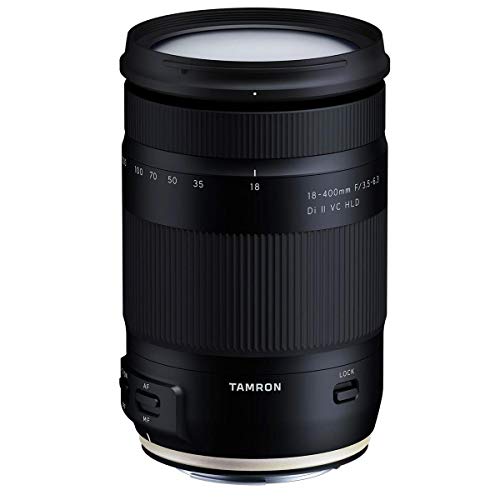
World’s first 222x all-in-one zoom with a 18-400mm range, designed to cover wide-to-telephoto needs on Canon APS-C bodies. The lens includes VC for stabilized telephoto performance, making it a compelling option for travel and wildlife. Best for: photographers who want one lens to handle most shot types.
Best for: travelers and casual wildlife observers. Better for: those who want one lens with an extreme zoom range. Choose this if: you rarely swap lenses and shoot across a broad range. Caution: The weight and size are larger than simpler 18-55mm class kits.
Tamron 18-300mm F/3.5-6.3 Di III-A VC VXD for Nikon Z

This all-in-one zoom for Nikon Z APS-C mirrors the same 16.6x versatility and fast VXD autofocus. It remains compact for travel and daily use, with VC stabilization to keep footage steady. Best for: Nikon Z users who want an all-in-one option with reliable focus performance.
Best for: travelers and everyday shooters on the Z mount. Better for: those who prefer a compact lens without swapping. Choose this if: you need a single solution across landscapes to portrait ranges. Caution: Compatibility primarily targets Nikon Z APS-C bodies; full-frame users should choose a different option.
Tamron 18-300mm F/3.5-6.3 Di III-A for Fujifilm X

Designed for Fujifilm X-mount cameras, this 18-300mm all-in-one zoom combines broad range coverage with a compact footprint. It supports the APS-C concept and aims to maintain high resolving power from center to corners. Best for: Fujifilm X users who want travel-ready versatility in one lens.
Best for: Fuji shooters who want simple gear without sacrificing range. Better for: those who value a single-lens solution aligned with X-mount workflow. Choose this if: you need an all-in-one optic that stays small for street photography. Caution: Autofocus behavior can vary in very low light or with fast-moving subjects.
Buying Guide: Key Considerations for All-In-One Zoom Lenses
- System compatibility: Ensure the lens matches your camera mount (Canon R APS-C, Nikon Z, Fujifilm X, etc.) and firmware support.
- Range vs. size: A wider focal range adds versatility but can affect weight and balance. Consider your typical shooting style and preferred body.
- Stabilization: VC or equivalent stabilization helps in handheld shooting, especially at longer focal lengths.
- Autofocus performance: Look for fast and reliable AF for action, portraits, and video. VXD and HLD designs target quick focus.
- Optical quality across range: Some all-in-one lenses maintain sharpness center-to-edge; others may soften at extremes. Read sample images and reviews for your camera body.
- Weight and handling: Heavier, longer lenses impact balance on smaller bodies. Try a test hold or check weight specs.
FAQ
- What is an all-in-one lens? An all-in-one zoom covers a broad focal range from wide to telephoto in a single lens, reducing the need to swap lenses.
- Who should use these lenses? Ideal for travelers, hobbyists, vloggers, and casual shooters who want flexibility without carrying multiple lenses.
- Do all-in-one lenses have compromises? Yes, they may not match prime lenses for extreme sharpness or large aperture performance at all focal lengths.
- Are these lenses compatible with full-frame cameras? Some are designed for APS-C or DX sensors; check mount and sensor compatibility for your body.
- Is image stabilization important on all-in-one lenses? Stabilization helps with handheld shooting at longer focal lengths and in low light, improving video and stills.
- Should I buy a dedicated telephoto or wide prime instead? If you frequently shoot in specific genres (portraits, landscapes, wildlife), a prime may offer better sharpness and low-light performance.