Telephoto zooms in the 70-200mm range are a cornerstone for versatile photography. From sports and wildlife to portraits and events, these lenses deliver sharp subject isolation, bright-wide apertures, and reliable autofocus. This guide highlights five top 70-200mm options across major brands, balancing image quality, handling, and value. Each lens suits different camera systems and shooting styles, helping you choose the best fit for your kit. The table below offers a quick comparison of the selections discussed here.
| Product | Brand | Focal Range | Aperture | Notable Benefit |
|---|---|---|---|---|
| Canon RF 70-200mm F2.8 L IS USM | Canon | 70-200mm | f/2.8 | Bright, fast AF; up to 5 stops IS |
| Sony FE 70-200mm F2.8 GM OSS II | Sony | 70-200mm | f/2.8 | Exceptional image quality; advanced coatings |
| Canon EF 70-200mm f/2.8L IS III USM | Canon | 70-200mm | f/2.8 | Air Sphere Coating reduces ghosts |
| Nikon NIKKOR Z 70-200mm f/2.8 S | Nikon | 70-200mm | f/2.8 | Close focus and customizable controls |
| Sigma 70-200mm F2.8 DG DN OS for Sony | Sigma | 70-200mm | f/2.8 | OS stabilization with versatile mount options |
Canon RF 70-200mm F2.8 L IS USM

The Canon RF 70-200mm F2.8 L IS USM is designed for EOS R-series mirrorless cameras, delivering exceptional sharpness and contrast across the zoom range. Its bright f/2.8 maximum aperture supports fast shutter speeds and subject isolation in low light. Built with Canon’s L-series construction, the lens balances performance with durability. Optical image stabilization provides up to about 5 stops of shake correction, helping maintain sharpness in dynamic shooting scenarios such as sports or outdoor events. The lens is relatively compact for an f/2.8 tele-zoom, making it a practical choice for handheld shooting during fast-paced sessions.
In use, photographers benefit from reliable autofocus and smooth manual overrides, which are essential for portraiture and candid moments. The combination of wide aperture, strong stabilization, and high image quality makes this lens a staple for Canon shooters who need consistent results from a professional-grade telephoto zoom. Compatibility with RF adapters also allows access to broader lens ecosystems for flexible setups. This option is ideal for enthusiasts and professionals who shoot action, weddings, and wildlife with Canon bodies.
Sony FE 70-200mm F2.8 GM OSS II
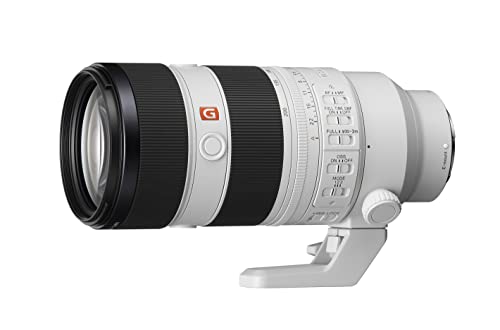
The Sony FE 70-200mm F2.8 GM OSS II is a premium G Master telephoto zoom crafted for Sony full-frame mirrorless cameras. It delivers consistent, high-resolution results across the zoom range, aided by two aspherical elements and XA (extreme aspherical) elements to minimize aberrations and preserve detail. The optical design includes multiple ED elements and Sony Nano AR Coating II to suppress flare and ghosting, ensuring clean images in bright or backlit conditions. The lens features fast, precise autofocus with XD Linear Motors, providing strong performance for action and wildlife while maintaining quiet operation for video work. The built-in OSS helps maintain sharpness on handheld shoots or in movement, and independent focus/zoom/iris rings offer tactile control during dynamic shooting scenarios.
Canon EF 70-200mm f/2.8L IS III USM
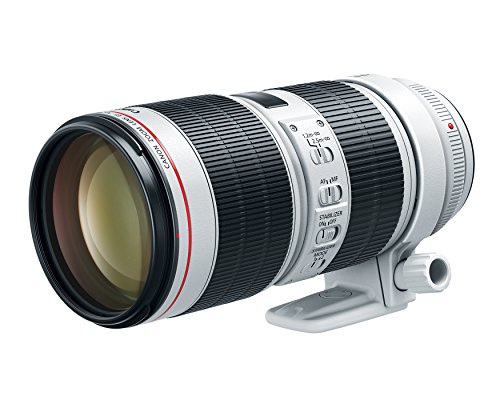
The Canon EF 70-200mm f/2.8L IS III USM brings professional performance to busy Canon DSLR kits. It maintains a constant f/2.8 aperture across the zoom range for reliable exposure control and subject separation. Air Sphere Coating reduces ghosting and flare, improving contrast in challenging lighting. Optical Image Stabilization supports up to approximately 3.5 stops of shake correction, helping keep portraits, events, and sports shots crisp at longer focal lengths or slower shutter speeds. Its 70-200mm range remains a versatile choice for events, weddings, and wildlife photography, particularly when paired with Canon body configurations that benefit from a robust, weather-sealed build.
Canon EF 70-200mm f/2.8L II USM (Renewed)
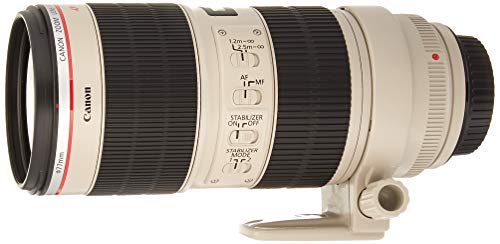
This renewed Canon EF 70-200mm f/2.8L II USM offers the familiar performance of Canon’s classic tele-zoom with a two-time constant f/2.8 aperture. The lens features a multicoated optical design, including fluorite and UD elements for enhanced resolution and contrast. A minimum focusing distance of roughly 3.94 feet makes it practical for tighter crops while retaining image quality across the zoom range. Its USM-driven autofocus is quick and quiet, appealing to event photographers and those who require dependable tracking. The renewed status makes this a cost-conscious option for professionals who still demand professional-level results.
Nikon NIKKOR Z 70-200mm f/2.8 S

The Nikon NIKKOR Z 70-200mm f/2.8 S is designed for Z-series mirrorless cameras, delivering a robust telephoto zoom with excellent sharpness and contrast. At 70mm, its close focusing distance of about 0.5 meters expands your shooting options for portraits and candid moments. The lens uses a standard 77mm filter thread and offers customizable Function buttons and a control ring for versatile control in fast-paced environments. Build quality and weather sealing are emphasized, aligning with Nikon’s professional-grade standards for sports, wildlife, and wedding photography where reliable performance is essential.
Sigma 70-200mm F2.8 DG DN OS for Sony

The Sigma 70-200mm F2.8 DG DN OS is designed for Sony E-mount (and L-Mount), delivering a fast constant f/2.8 aperture with a practical zoom range. It features a High-response Linear Actuator (HLA) AF motor for snappy focus performance and a dust- and splash-resistant construction for reliability in varied conditions. Optical Stabilization (OS) helps maintain sharpness in handheld shooting, while the lens’ design emphasizes portability and balance for Sony mirrorless bodies. This option appeals to Sony shooters seeking a budget-friendly yet capable alternative to higher-priced native glass while preserving image integrity across the focal range.
Buying Guide
Key purchase considerations help you select the right 70-200mm lens for your camera system and style. Here are the main factors to weigh:
- Mount and compatibility: Match the lens to your camera system (Canon RF, Canon EF, Nikon Z, Sony E, etc.). Some lenses cover DSLR bodies with older mounts, while others are optimized for newer mirrorless systems. If you shoot with a hybrid kit, consider using adapters cautiously to preserve autofocus speed and stabilization.
- Aperture and light: A constant f/2.8 aperture offers superior subject isolation and faster shutter speeds in low light, but f/4 options are lighter and smaller. Decide whether you need the extra brightness for portraits, sports, or wedding work, or if a lighter design suits your travel needs.
- Stabilization: Optical image stabilization (IS/OSS) is critical for handheld work and video. Check the reported stops of shake correction and how effective stabilization is at longer focal lengths and slower shutter speeds.
- Autofocus performance: Fast, accurate AF and subject tracking are essential for action, wildlife, and event photography. Look for lenses with advanced focusing motors, minimal focus breathing, and reliable tracking across the zoom range.
- Sharpness and coatings: High-resolution performance across the frame, with coatings to suppress flare and ghosting in bright or backlit scenes, is important for professional results.
- Build and weather sealing: Professional telephotos should withstand dust, moisture, and handling in the field. Consider weight and balance, especially if you shoot handheld for long periods.
- Size, weight, and portability: A heavier, larger lens can impact handling and steadiness. If you travel frequently, a more compact 70-200mm may be advantageous, even if it sacrifices some speed.
- Future-proofing: If you anticipate upgrading your body, check compatibility with future camera features and whether additional teleconverters are supported or sold separately.
- Price-to-performance: While 2.8 zooms command premium prices, there are solid alternatives like 4.0 options that still deliver good image quality at a lower cost and weight. Consider your budget and shooting needs.
In summary, the best 70-200mm lens for you depends on your camera system, preferred working distance, and whether you prioritize maximum brightness, stabilization, or portability. For Canon RF and Sony, the 2.8 versions shine in low light and fast action, while Nikon Z and Sigma options offer strong performance with system-specific benefits. If you routinely shoot events, sports, or wildlife, prioritize lenses with robust AF, reliable stabilization, and solid build quality. For portraits and controlled settings, the f/2.8 models offer superior subject separation and depth.