Best 70 200mm Lens Options for Every Budget and Requirement
Looking for a versatile telephoto zoom around 70–200mm? This guide covers top 70–200mm lenses suited for various camera systems, from fast f/2.8 options for professionals to lightweight f/4 variants for casual shooters. It highlights who each lens is best for and what trade-offs to expect, helping you pick the right model for portrait, sports, or travel photography.
| Product | Best For | Key Benefit |
|---|---|---|
| Sigma 70-200mm F2.8 DG DN OS for Sony | Sony E-mount users | Fast aperture and OS for low-light action |
| Canon RF70-200mm F4 L IS USM | Canon EOS R system | Lightweight, stabilized, good value |
| Canon RF70-200mm F2.8 L IS USM | professionals and enthusiasts | Bright f/2.8, advanced optics |
| Sony FE 70-200mm F4 G OSS (Renewed) | Sony mirrorless users on budget | Compact and steady performance |
| Canon EF 70-200mm f/2.8L II USM (Renewed) | Canon DSLR users | Classic pro-grade performance |
Sigma 70-200mm F2.8 DG DN OS for Sony

This Sony-mount telephoto zoom emphasizes speed with its F/2.8 maximum aperture across the focal range, supporting low-light shooting and shallow depth of field. It includes a High-response Linear Actuator (HLA) AF motor for quick focusing and an OS stabilizer to counter camera shake. Best for professional Sony shooters who need bright optics for portraits, events, or sports in variable light.
Who it’s best for: Sony users needing a bright, fast telephoto zoom with steady autofocus. Why selected: its combination of fast aperture, effective stabilization, and robust build suits demanding composition. Caution: availability may vary by mount, and weight is heavier than f/4 options.
Canon RF70-200mm F4 L IS USM

This Canon RF lens is noted for its lightweight design and constant f/4 brightness, making it an efficient option for travel and everyday shooting on the EOS R system. It includes optical image stabilization with up to 5 stops of shake correction for steadier hand-held shots. Best for: Canon users who want a portable telephoto zoom without carrying a heavy lens. Caution: f/4 may be limiting in very low light compared with faster alternatives.
Canon RF70-200mm F2.8 L IS USM

Canon’s bright 70–200mm f/2.8 L is USM for mirrorless RF cameras. It’s a high-end option designed for professionals who require superior subject isolation and fast autofocus in sports, events, and nature photography. Best for: users who need top-tier performance and a shallow depth of field at telephoto ranges. Caution: higher price and weight compared with f/4 variants.
Canon EF 70-200mm f/2.8L II USM (Renewed)
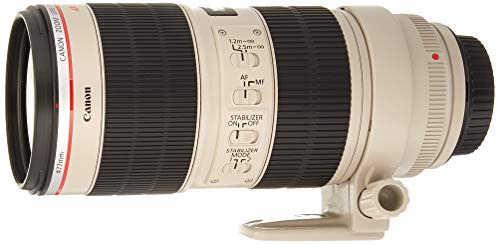
This renewed Canon classic offers professional-grade optics and a versatile 70–200mm range with a constant f/2.8 aperture. It features a robust lens construction suitable for wildlife, sports, and studio portrait work. Best for: Canon DSLR shooters who want proven performance and do not require RF-mount compatibility. Caution: being a legacy EF lens, it lacks newer RF-specific benefits like lighter weight in mirrorless bodies.
Canon EF 70-200mm f/4L USM (Renewed)

This f/4L version provides a compact telephoto option with professional-grade optics. The renewed unit is tested to look and work like new, offering a more affordable path to Canon-era image quality. Best for: shooters who want a lighter lens for travel or street photography with solid performance. Caution: slower in low light without IS enhancement beyond the lens’ own stabilization.
Sony FE 70-200mm F4 G OSS (Renewed)
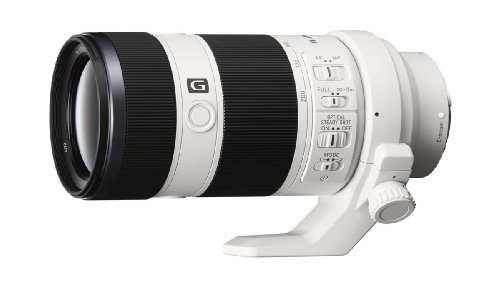
For Sony mirrorless users on a budget, this 70–200mm f/4 offers a balance of weight, performance, and stabilization. The OSS helps with handheld shots at longer focal lengths. Best for: Sony shooters seeking a practical travel lens with reliable autofocus. Caution: not the fastest option in dim light compared with f/2.8 counterparts.
Buying Guide
What does 70–200mm best cover?
These lenses excel at portraiture, event photography, sports, and wildlife with reach without sacrificing speed. The 70–200mm range provides flattering compression and flexibility for framing mid-to-tight compositions.
How to choose by camera system?
For Sony and Canon mirrorless, look for native mount options (F2.8 or F4 with stabilization). For Canon DSLR users, EF mount lenses remain a viable choice, especially when paired with compatibility options or adapters. Consider weight, balance with your body, and whether you need image stabilization.
What about aperture and stabilization?
Faster apertures (f/2.8) enable better subject isolation and better performance in low light but add weight and cost. Stabilization helps in handheld shooting; lens-based stabilization varies by model, so check stops of shake correction and whether it supports your typical shutter speeds.
When to choose f/4 vs f/2.8?
Choose f/4 when you want a lighter, more affordable lens for travel or daily use, and you routinely shoot in adequate light. Opt for f/2.8 when you shoot in dim environments, need faster autofocus, or require more depth-of-field control for portraits or sports.
Renewed versus new
Renewed or refurbished options provide cost savings and can be a good value if inspected and guaranteed. They are suitable for photographers who want pro-grade optics without the highest price tag, but verify return policies and condition notes before purchase.
What should you compare beyond focal range?
Also evaluate build quality, weather sealing, compatibility with teleconverters, and zoom and focus ring feel. If using professional services or studios, consistent color and flare control across the zoom range is important.
Quick buying checklist
- Camera system compatibility (Sony, Canon RF, Canon EF, etc.)
- Desired aperture range (f/2.8 vs f/4)
- Weight and handling with your body
- Stabilization and autofocus performance
- Budget and whether a renewed option meets your needs
FAQ
- Which 70–200mm lens is best for portraits? The f/2.8 variants typically offer shallower depth of field and subject separation, ideal for head-and-shoulders portraits.
- Do I need image stabilization in a telephoto lens? Stabilization helps at longer focal lengths and slower shutter speeds, especially in handheld shooting or when lighting is limited.
- Is a renewed lens reliable? Renewed models undergo testing and cleaning and come with basic warranties; they can provide pro-grade optics at lower prices.
- Should I buy a Canon vs Sony 70–200mm? It depends on your camera system. Choose native mounts for best autofocus performance and compatibility.
- Will these lenses work with teleconverters? Some models support teleconverters; check compatibility for focal length and autofocus behavior.
- Which 70–200mm is the lightest? The f/4 variants are typically lighter than their f/2.8 counterparts, making them better for travel.