360 cameras open immersive possibilities for virtual reality, live streaming, and shared storytelling. The right model balances image quality, stabilization, and ease of editing. This guide highlights five leading options that work well for VR enthusiasts, travelers, and content creators in the United States. Each choice emphasizes distinct strengths—from flagship 8K capture to modular flexibility—so you can match your projects to your gear. Below is a quick snapshot of the picks to help you compare features at a glance.
| Product | Brand | 360 Capability | Notable Strength |
|---|---|---|---|
| Insta360 ONE X2 | Insta360 | 5.7K 360 | Advanced stabilization |
| GoPro Fusion | GoPro | 5.2K 360 | OverCapture functionality |
| AKASO 360 Weatherproof | AKASO | 5.7K 360 | Horizon Lock stabilization |
| Insta360 X4 | Insta360 | 8K 360 | Active HDR and AI features |
| Insta360 ONE RS Twin Edition | Insta360 | 5.7K 360 / 4K Wide | Interchangeable lenses |
Insta360 ONE X2 360 Camera
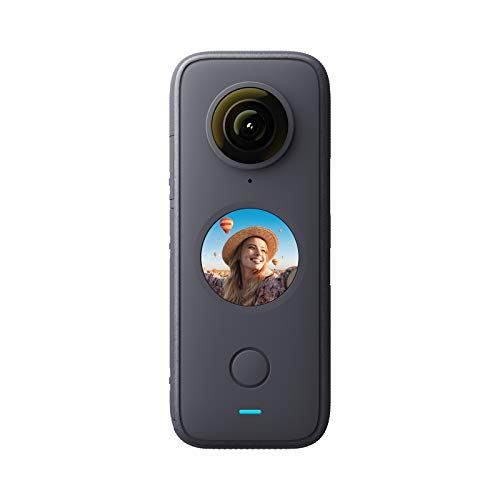
The Insta360 ONE X2 is designed for all-around versatility. It enables shooting in every direction with a single device, delivering up to 5.7K 360 capture so you can choose the best angle later. When priorities require steadiness over scope, you can switch to Steady Cam mode for ultra-stable wide-angle footage. FlowState Stabilization provides reliable stabilization and horizon leveling—no external gimbal is needed. This model is built for action on the move, with a compact form factor that travels well and supports intuitive AI-based editing workflows.
Beyond raw capture, the X2 supports live streaming and simple webcam use, enabling creators to reach audiences in real time. Voice control and smart editing features streamline workflows, making it practical for social video, travel vlogs, and event coverage. The combination of high-resolution 360 capture with robust stabilization appeals to users who want cinematic options without complex rigs. The ergonomic design also helps when wearing the camera during sports, hiking, or car-based adventures.
In practice, users can shoot immersive 360 footage and later reframe for traditional videos or social posts. The AI editing tools help extract compelling moments from a larger 360 canvas. The X2 strikes a balance between creative flexibility and mobility, making it a strong all-rounder for VR enthusiasts who value stabilization, simple editing, and reliable performance in varied environments.
GoPro Fusion 360 VR Camera

GoPro Fusion delivers spherical 5.2K video and 18MP photos, capturing the world around you in every direction. The camera’s lens system and software enable OverCapture, which allows you to crop spherical footage into traditional videos directly on your smartphone, preserving more storytelling options after the shoot. Compatibility with a range of iOS devices supports quick editing and sharing, while the camera’s rugged design makes it suitable for action and adventure contexts where weather or terrain might be challenging.
Fusion’s processing pipeline emphasizes intuitive media management—users can crop, stabilize, and export clips efficiently. The spherical workflow facilitates immersive VR experiences, especially when you want to showcase environments, events, or landscapes with a sense of surrounding presence. The device also plays nicely with traditional 2D workflows, thanks to OverCapture and straightforward sharing features that bridge VR and standard video formats.
While Fusion represents an older generation ofGoPro VR cameras, its combination of 5.2K capture, 18MP photos, and practical post-production options remains appealing for VR newcomers and seasoned creators seeking a compact, all-in-one solution for immersive storytelling and social-ready clips.
AKASO 360 Weatherproof 360° Camera

AKASO’s 360 Weatherproof camera brings 5.7K immersive capture with rugged features suited for outdoor shoots. It emphasizes stability through 360° Supersmooth video and introduces 360° Horizon Lock to keep horizons level during dynamic action. The camera’s 1/2″ 48MP sensors ensure generous detail in both video and stills, enhancing clarity in fast-moving scenes or low-light environments. A 2.29-inch touchscreen simplifies framing and quick adjustments on the go, making it practical for travel vlogging, sports coverage, and nature documentaries where weather resistance and reliability matter.
Versatility is a key draw, with stabilization designed to counter shakes during rapid movement. The AI-assisted tracking and horizon-locking features help maintain consistent composition even when you’re spinning through a scene. While it may not offer the same ecosystem as premium brands, its feature set provides a robust option for budget-conscious creators who still require solid 360 performance and all-weather durability.
In daily use, the AKASO model offers a straightforward workflow: capture wide immersive footage, rely on built-in stabilization to smooth motion, and frame or reframe content afterward for both VR and traditional viewing experiences. It’s a practical entry point into 360 storytelling with a focus on resilience in variable conditions.
Insta360 X4 Standard Bundle

The Insta360 X4 pushes the boundaries of 360 capture with 8K video options and 5.7K60fps recording. Active HDR helps preserve color fidelity in action scenes, delivering richer, more dynamic footage even in challenging lighting. The AI editing tools in the accompanying app streamline post-production, enabling quick recoloring, reframing, and sharing. The X4’s design focuses on a balance between high-resolution output and a smoother workflow, which is appealing for creators who produce cinematic VR experiences and refined social clips.
Key features include AI-driven reframing that allows you to post-produce polished footage without heavy editing workflows. The option to shoot in 8K 360 expands possibilities for immersive VR experiences or future-proof archival content. The standard bundle also emphasizes portability and ease of use, with the ability to create engaging 360 narratives without requiring complex setups. For users seeking top-tier resolution with practical post-processing, the X4 stands out in the mid-to-high-end segment.
Insta360 ONE RS Twin Edition

The Insta360 ONE RS Twin Edition combines two cameras in one body: a 4K Boost Lens and a 360 Lens. This modular approach enables switching between high-detail wide-angle video and truly spherical 360 capture, giving users a flexible toolkit for diverse shooting scenarios. FlowState Stabilization remains a core asset, with stabilization enhanced by the RS Core for reliable handheld footage. The setup also emphasizes high-resolution stills with 48MP photos and versatile video options including 6K widescreen outputs and Active HDR for action sequences.
Interchangeable lenses expand possibilities beyond a single use case, allowing creators to tailor the rig to travel, sports, or documentary work. The Twin Edition is suited for users who want a future-proof system that can evolve with new lenses or accessories. Overall, it offers a compelling balance of modularity, stabilization, and high-quality output for VR-ready projects and beyond.
Buying Guide
Key Purchase Considerations
Identify how you plan to use the camera. If you want a single device for travel and action, prioritize stabilization, ease of use, and built-in editing tools. For dedicated VR storytelling, emphasize higher resolution, 360-degree coverage, and robust post-production features. Consider water resistance and ruggedness for outdoor environments, and whether you need interchangeable lenses or a simple all-in-one solution.
Resolution And Stabilization
Resolution drives immersive detail in VR. Look for 5.7K to 8K 360 capture if you want highly realistic spherical footage. Stabilization, such as FlowState or 360-degree horizon locking, helps maintain smooth results during movement, reducing the need for external gimbals. If you shoot handheld while moving quickly, prioritizing stabilization is crucial.
Modularity And Lenses
Modular cameras with interchangeable lenses offer greater flexibility. A two-camera setup (360 plus wide-angle) or a twin edition can adapt to different projects. However, modular systems may add weight and cost. For beginners, a solid all-in-one model may simplify workflows and editing pipelines.
Editing Ecosystem
Consider what editing software and AI-assisted tools accompany the camera. Integrated AI editing can speed up post-production, with features like reframing and auto-color adjustments. A strong app experience that supports live streaming or direct social sharing can save time and improve content consistency across platforms.
Durability And Water Resistance
Outdoor shoots and action sports demand ruggedness. Check IP ratings or water resistance levels to match your environments. Weatherproof models minimize risk when shooting near water, rain, or dust. Battery life and card capacity are practical limits to consider for long shoots away from power sources.
Portability And Usability
Weight, size, and control layout influence field performance. A compact camera travels more easily and is less obtrusive; however, certain setups may require external accessories for optimal ergonomics. Look for intuitive controls, reliable touchscreens, and fast access to essential settings.
Price And Value
Premium models offer higher resolutions and more features, but entry-level options often cover most VR use cases at a lower cost. Assess total cost of ownership, including accessories, memory cards, and any required subscriptions for editing software. A balance between features and budget typically yields the best long-term value.
Head-to-Head Comparisons
| Model | Max 360 Resolution | Stabilization | Best For |
|---|---|---|---|
| Insta360 ONE X2 | 5.7K | FlowState | All-around versatility |
| GoPro Fusion | 5.2K | Stabilization | OverCapture workflows |
| AKASO 360 Weatherproof | 5.7K | 360 Horizon Lock | Rugged outdoor shooting |
| Insta360 X4 | 8K | Active HDR / AI | High-end immersive output |
| Insta360 ONE RS Twin Edition | 5.7K (360) / 4K (Wide) | FlowState | Modular versatility |
When selecting a 360 camera for VR, balance your priorities: ultimate resolution for realistic immersion, stabilization to avoid motion sickness, editing convenience, and how much you value modularity versus a single, ready-to-use device. The five models above cover a spectrum of needs—from rugged outdoor capture to modular setups with interchangeable lenses—helping you pick the right tool for your VR storytelling journey.