Exploring 16mm film video cameras blends classic aesthetics with modern usability. The following picks focus on true film options and strong analog-friendly designs, plus capable hybrid cameras for comparison. Each entry highlights core features to help you decide which model best suits archival projects, creative experiments, or learning the craft. The list includes half-frame 35mm film options as well as retro-inspired digital options for modern shoots.
| Product | Brand | Format | Notable Feature |
|---|---|---|---|
| KODAK EKTAR H35 Half Frame Film Camera | KODAK | Half-Frame 35mm | Film-saving: ~72 exposures per roll; Built-in flash; Lightweight |
| Pentax 17 Half-Frame Film Camera | Pentax | Half-Frame 35mm | 2x pictures per roll; Magnesium alloy body; Zone-focus system |
| KODAK EKTAR H35N Half Frame Film Camera | KODAK | Half-Frame 35mm | Built-in star filter; Coated improved lens; Bulb long-exposure mode |
| RETO Reto3D 35mm 3D Film Camera | RETO | 35mm Film | 3D wigglegram image; Built-in flash; Classic retro design |
| Nikon Z fc Retro Mirrorless | Nikon | Digital Mirrorless | 4K video; Eye-detection AF; Heritage design with analog controls |
Each option reflects a balance between film authenticity, handling, and the practicalities of shooting and processing. The table above helps you scan core attributes quickly as you weigh whether to pursue a purely film workflow or to complement it with a digital body that nods to the era in question.
KODAK EKTAR H35 Half Frame Film Camera
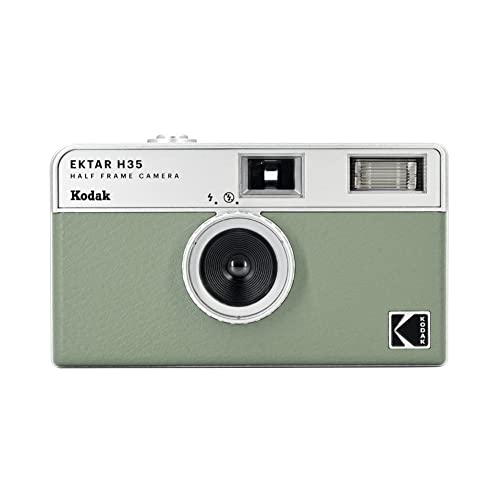
The KODAK EKTAR H35 Half Frame is a pocket-friendly option that maximizes film usage. Its half-frame design doubles the number of exposures per 36-exposure roll, allowing roughly 72 images per roll when shooting with care. This makes it an attractive choice for those who want more frames without changing film stock frequently. The camera is lightweight and easy to carry, appealing to everyday analog enthusiasts who value simplicity. A built-in flash is engaged by rotating a ring around the lens, enabling daytime and nighttime shooting under various lighting conditions. This feature expands versatility for street photography, travel, and quick candid sessions.
- Film-saving capability: ~72 exposures per 36-exposure roll
- Lightweight, pocket-sized form for daily carry
- Built-in flash for flexible indoor and outdoor use
Overall, the EKTAR H35 emphasizes ease of use and film economy, making it a practical entry point for shooters exploring the half-frame format on 35mm stock.
Pentax 17 Half-Frame Film Camera

The Pentax 17 Half-Frame offers classic 35mm film photography with a clever 17x24mm image format. Two of these mini-frames fit into a single 35mm frame, effectively doubling the number of photographs per roll. The camera is built with a robust, lightweight magnesium alloy body, which helps with portability and durability. Its zone-focus system divides distances into six zones, simplifying focusing from close to far subjects. This design makes the Pentax 17 well-suited for social media-ready snapshots or experimental projects where quick focus decisions are valuable.
- 2x pictures per roll on standard 35mm film
- Magnesium alloy body for durability and lightness
- Six-zone zone-focus system for quick composition
For photographers who want a retro footprint without sacrificing modern handling simplicity, the Pentax 17 provides a compact platform with dependable film performance and straightforward operation.
KODAK EKTAR H35N Half Frame Film Camera

The EKTAR H35N expands on the base H35 idea with a built-in star filter and an improved coated lens. The star filter adds cinematic flare to bright light sources, delivering four-beam flares that can elevate night scenes or urban bokeh. The coated glass lens enhances sharpness and reduces flare, helping images pop with greater clarity. A bulb function enables long exposures, allowing motion trails or low-light silhouettes to emerge in creative ways. These features make the H35N a strong choice for experimental night photography or star-influenced visuals on film.
- Built-in star filter for flare artistry
- Coated lens for improved sharpness and contrast
- Bulb long-exposure mode for creative trails
This variant reinforces Kodak’s emphasis on playful, cinematic effects while preserving the simplicity of half-frame shooting.
RETO Reto3D 35mm 3D Film Camera

The RETO Reto3D is a distinctive 35mm film camera that supports a retro lenticular aesthetic. It is designed to produce 3D-like imagery through a unique wigglegram effect, giving stills a sense of depth and motion that stands out in film projects and experimental sequences. The camera also includes a built-in flash, enabling day and night shooting without additional gear. For creative shooters exploring 3D-like presentation on traditional film, the Reto3D offers a playful medium with a classic look.
- 35mm film support for classic stock pairing
- 3D wigglegram effect for distinctive visuals
- Built-in flash for versatile lighting
As a niche option, the Reto3D is best suited for experimental sequences or personal projects where a playful, retro lensing approach can be exploited to its full potential.
Nikon Z fc Retro Mirrorless

The Nikon Z fc blends retro aesthetics with a modern mirrorless system. It features a 20.9 MP DX-format CMOS sensor with an advanced Expeed 6 processing engine, delivering crisp stills and solid 4K video performance. The camera offers a fast, reliable autofocus system with eye detection, making it versatile for both photography and video work. Its heritage-inspired, tactile body design includes analog-like controls for shutter speed, ISO, and exposure compensation, which appeals to shooters who want a nostalgic feel without sacrificing current imaging capabilities. The Z fc is a strong option for hybrid shooters who value video quality and a classic look.
- 20.9 MP DX CMOS sensor with Expeed 6
- 4K video and robust autofocus including eye detection
- Heritage-inspired design with analog controls
For creators seeking a contemporary camera with vintage charm and solid video capabilities, the Nikon Z fc offers a balanced blend of form and function suitable for YouTube, vlogs, and cinematic experiments.
Buying Guide
Film vs. Digital Trade-Offs
Choosing between film-based and digital cameras hinges on workflow, archival goals, and creative style. Film captures a distinctive grain, latitude, and color response that many educators and filmmakers prize. However, film requires ongoing investment in stock, development, and scanning. Digital cameras provide immediate feedback, easier storage, and often broader video feature sets, but may lack the tactile and organic feel that film delivers. If you want the classic look with minimal post-processing, film options like the half-frame Kodak EKTAR series are attractive. For hybrid workflows or priority on accessibility and speed, modern digital bodies such as the Nikon Z fc can complement a film toolkit.
Format and Frame Considerations
Half-frame 35mm cameras maximize the number of exposures per roll, typically doubling the number of frames available for a given stock. This is advantageous for long shooting sessions, travel, or storyboarding with quick test shots. When evaluating formats, consider your preferred aspect ratio, frame density, and scanning options. The 17 and EKTAR H35N variants illustrate how half-frame systems can add footage density without buying more film, though lens options and film availability may influence your choice.
Lens and Focus Options
Focus systems influence speed and creative control. The Pentax 17 uses a zone-focus approach, which speeds up shooting in casual or documentary contexts but may limit precise macro or action shots. The Kodak EKTAR H35N’s coated lens aims for sharpness and reliable results in varied lighting, while built-in star filters and bulb exposure modes broaden visual storytelling options. For digital models, high-quality lenses and autofocus performance matter just as much as film characteristics for achieving the desired cinematic style.
Handling and Build Quality
Durability and ergonomics affect long-term satisfaction. Magnesium alloy builds, like the Pentax 17, provide a sturdy yet portable feel. Compact, lightweight film cameras are convenient for travel and candid work, but ensure the grip and controls fit your shooting habits. Digital retro designs, such as the Nikon Z fc, emphasize tactile controls that evoke classic cameras while delivering contemporary reliability and serviceability.
Storage, Processing, and Workflow
Film workflows involve chemical processing and scanning, which can introduce delays and costs but yield a tangible, archival medium. Digital workflows enable rapid review and editing and easier distribution, though file management, backups, and color grading require infrastructure. If your project spans multiple locations or you’re teaching a class, a hybrid approach—using film for key scenes and a digital body for test shots or social media content—can be efficient and versatile.
Overall Recommendations
For purists seeking authentic film aesthetics and extended frame counts per roll, the Kodak EKTAR H35 family and the RETO Reto3D present strong options within the 16mm-inspired landscape, emphasizing hands-on shooting and distinct visual effects. For shooters who value reliability, quick-turnaround content, and a nod to film-era styling, the Nikon Z fc provides a robust digital platform with retro looks. When choosing, assess cost per frame, ease of developing and scanning, and how closely you want your final output to resemble classic 16mm cinema or a modern hybrid look.