Trail cameras rely on stable power, especially when deployed in remote locations or during long monitoring campaigns. This guide highlights five strong 12V power solutions designed to keep cameras running in harsh weather and through extended duty cycles. From sealed 12V batteries to rugged external power boxes and solar charging systems, each option offers unique advantages for uptime, durability, and ease of use. Whether you prioritize simple battery replacements, solar autonomy, or a combination of both, the right setup can reduce site visits and increase wildlife insight without sacrificing performance.
| Product | Brand | Power Type | Notable Benefit |
|---|---|---|---|
| HME 12V/Solar Power Pack | HME | 12V + Solar | Weather‑resistant; dual power |
| Mighty Max Battery 12V 8Ah (2 Pack) | Mighty Max Battery | 12V SLA | UL Certified; maintenance-free; two‑pack |
| Stealth Cam 12V Battery Box Kit | Stealth Cam | 12V Battery Box | External power jack; waterproof |
| Stealth Cam Sol-Pak Solar Battery Pack | Stealth Cam | Solar Panel + 12V Battery | 3000 mAh Li‑ion; adjustable brackets |
| WingHome Trail Camera Solar Charger Kit | WingHome | 12V/6V Solar | IP66; universal compatibility |
HME 12V/Solar Power Pack For Trail Cameras

The HME Trail Camera 12V/Solar Auxiliary Power Pack combines a traditional 12V connection with a built‑in solar charging option and a weather‑resistant housing. This dual‑source design lets a user run a camera off an external 12V battery and top off the connected battery with solar power when conditions permit. The rugged exterior is built to withstand rain, snow, and temperature swings, which is essential for long deployments in remote locations. Installation is straightforward, and the unit is compatible with a wide range of trail cameras, making it a flexible choice for varying setups.
In practical terms, this power pack reduces the frequency of site visits by allowing solar recharges to supplement or replace battery pulls during sunny periods. It also provides a reliable fallback power path during extended periods without access to mains or generator support. For best results, position the solar panel to maximize sun exposure and pair the unit with a suitable 12V battery. Regular inspection of connections ensures consistent performance through changing weather and seasonal activity.
Mighty Max Battery 12V 8Ah (2 Pack)

The Mighty Max Battery 12V 8Ah Sealed Lead Acid (SLA) rechargeable batteries come in a two‑pack, offering a compact, maintenance‑free power source for game cameras. These UL Certified batteries are designed for outdoor use, with a durable case and leak‑resistant terminals. Their 8Ah capacity provides solid endurance for moderate to longer monitoring runs, and the sealed design helps prevent spills in rugged field conditions. The listing specifies the batteries only, so users will need a compatible connector or harness to integrate with their camera model.
Operating temperature ranges and long service life are among the key advantages of SLA chemistry for trail cameras. A two‑pack option supports battery rotation or powering multiple cameras from a single pack, depending on setup. While SLA cells require proper charging and recycling practices, they remain a reliable, widely compatible choice for traditional setups where solar access is limited or inconsistent.
Stealth Cam 12V Battery Box Kit

The Stealth Cam 12V Battery Box Kit is a rugged, portable power solution designed for hunting trail cameras. It includes a 12V battery box, an external power jack, an AC charger, and a 10‑ft steel cable. The waterproof construction helps protect the battery and connections in wet, cold, or dusty conditions often found in remote deer or wildlife setups. By isolating the battery from the camera housing and using a rugged cable, this kit reduces exposure to moisture and physical damage, supporting dependable operation in challenging environments.
Extended field life is a primary benefit, especially in cold climates where battery performance can drop. The external power jack supports alternative power sources such as solar packs or portable generators, enabling flexible deployments. For best results, store the battery box in a dry, shaded location when possible and ensure the connections remain clean and dry during setup and teardown across field days.
Stealth Cam Sol-Pak Solar Battery Pack

The Stealth Cam Sol-Pak Solar Battery Pack combines a 12V power arrangement with a rechargeable Li‑ion battery and a 12V solar panel. The 3000 mAh battery extends the field life of your trail camera by reducing the frequency of battery changes. The solar panel comes with adjustable T‑Swivel brackets to optimize light capture, ensuring better performance even on days with variable sun. This setup is designed to work with all wireless or cellular Stealth Cam models that have an external 12V DC jack.
In practice, a solar‑powered solution offers a compelling cost and maintenance advantage for remote sites. Performance depends on sun exposure, so optimal results require proper orientation and clear access to sunlight. Regularly check the connections and bracket angles to keep the panel aimed at peak light, particularly during extended monitoring campaigns where conditions shift across days and weeks.
WingHome Trail Camera Solar Charger Kit
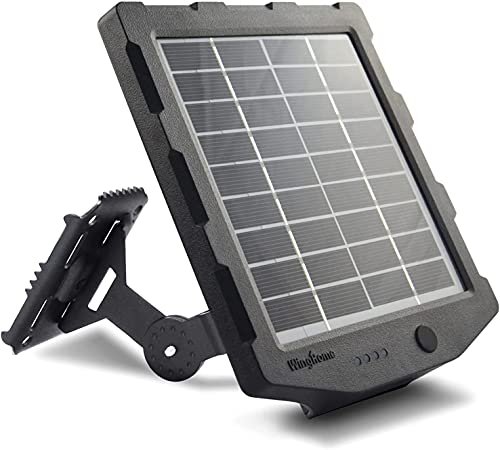
The WingHome Solar Charger Kit for trail cameras provides a universal 12V/6V charging solution with a built‑in 2000mAh rechargeable lithium battery and an IP66 waterproof rating. It is compatible with WingHome trail cameras and other brands that use 6V or 12V batteries and common connectors (4.0×1.7mm and 5.5×2.1mm types). The kit emphasizes sun‑driven power, enabling ongoing field operation without frequent battery purchases. Installation is straightforward and adaptable to trees, posts, or stands, making it a practical option for varied field layouts.
When deploying solar charging kits, practical considerations include sun exposure, mounting orientation, and weather. The built‑in battery helps smooth power delivery during cloudy intervals, but performance will vary with daylight conditions. Regularly inspect the kit for moisture ingress and ensure all connectors remain tight and clean to maintain consistent camera operation across the monitoring season.
Buying Guide
Power needs and runtime vary by camera model, climate, and monitoring cadence. For batteries, consider capacity (Ah) and discharge rate to match expected draw; for solar setups, evaluate panel wattage and expected daily sun hours. A higher Ah rating or a larger panel generally translates to longer runtimes between changes, but adds weight and cost. Balance your budget with the field duration you require and the camera’s power drain profile.
Durability and weather resistance are critical in outdoor deployments. Look for weatherproof housings, temperature tolerance, IP ratings, and rugged cables. If your cameras operate in extreme cold or heat, confirm that the chosen power solution maintains voltage stability and does not degrade under low temperatures. Maintenance requirements, such as regular charging practices for SLA batteries, should align with your field service schedule.
Portability and installation ease influence how often you deploy and relocate cameras. Battery boxes should be compact and light enough for quick transport, and solar panels should allow flexible mounting angles and secure cable routing. Confirm compatibility with your camera’s external power jack specifications (common sizes include 5.5×2.1mm and similar). Keep a simple maintenance plan, including dry storage for batteries and protective covers for solar panels during heavy weather.
Battery chemistry and lifecycle are central to total ownership cost. Sealed Lead Acid (SLA) batteries offer robust reliability and broad temperature tolerance but require proper charging and disposal. Lithium‑ion options provide higher energy density and longer cycle life but at a higher upfront cost. For solar ecosystems, pairing a Li‑ion pack with a durable solar panel can maximize field life and reduce maintenance needs in remote areas.
Compatibility and future‑proofing matter when expanding your trail camera network. Check that external power jacks and connectors match common 12V or 6V interfaces, and consider models that support daisy‑chaining or expansion with Sol‑Pak or WingHome styles if you expect to scale up. A solution that aligns with your current camera lineup and anticipated upgrades will save time and prevent the need for reworking power infrastructure later.
Operational considerations include sun exposure, weather patterns, and your deployment geography. Solar options thrive in locations with steady daylight but can underperform in dense canopies or high-latitude winters. Battery packs deliver consistent power irrespective of sun, but require periodic replacement or recharging. For best results, plan a hybrid approach when possible—combine a solar supply with a dependable 12V battery as a backup—to maximize uptime and capture more wildlife insights across seasons.